Blog

Lightweight Linux VPS Monitoring: A Practical 12-Point Checklist

Lightweight Linux VPS Monitoring: A Practical 12-Point Checklist

Nov 24, 2026    Mariusz Antonik    Automation    9 min read

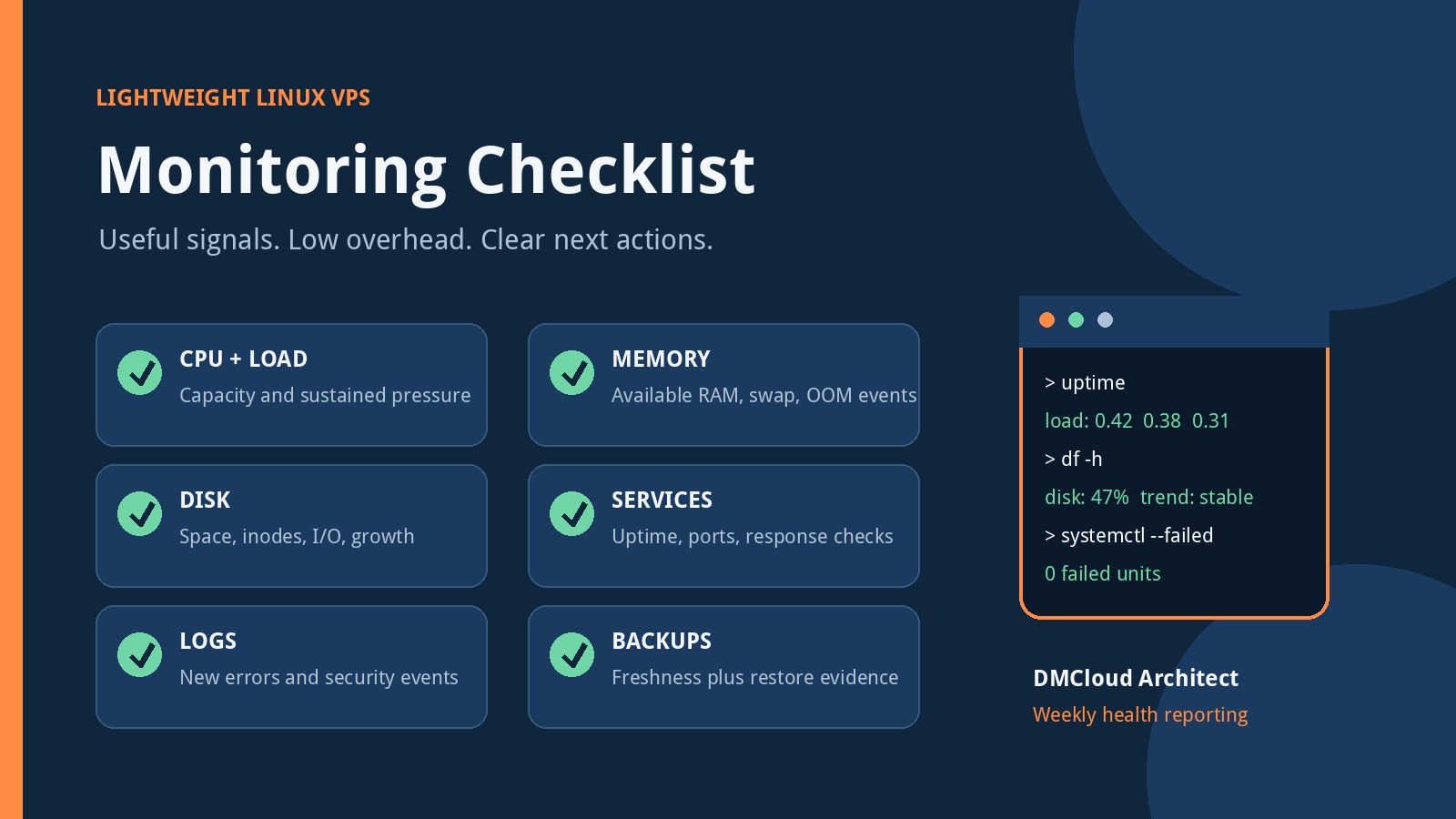
Linux server monitoring does not have to begin with a large dashboard stack. A lightweight approach can combine native commands, a small set of historical metrics, service checks, and a concise reporting routine. This 12-point checklist shows developers and small businesses what to monitor on a Linux VPS, how to choose low-overhead tooling, and where simple checks stop being enough. It also explains how to avoid collecting data without creating a useful response process.

Read More
Linux Disk Capacity Monitoring: Forecast Storage Before It Fills Up

Linux Disk Capacity Monitoring: Forecast Storage Before It Fills Up

Nov 23, 2026    Mariusz Antonik    Automation    10 min read

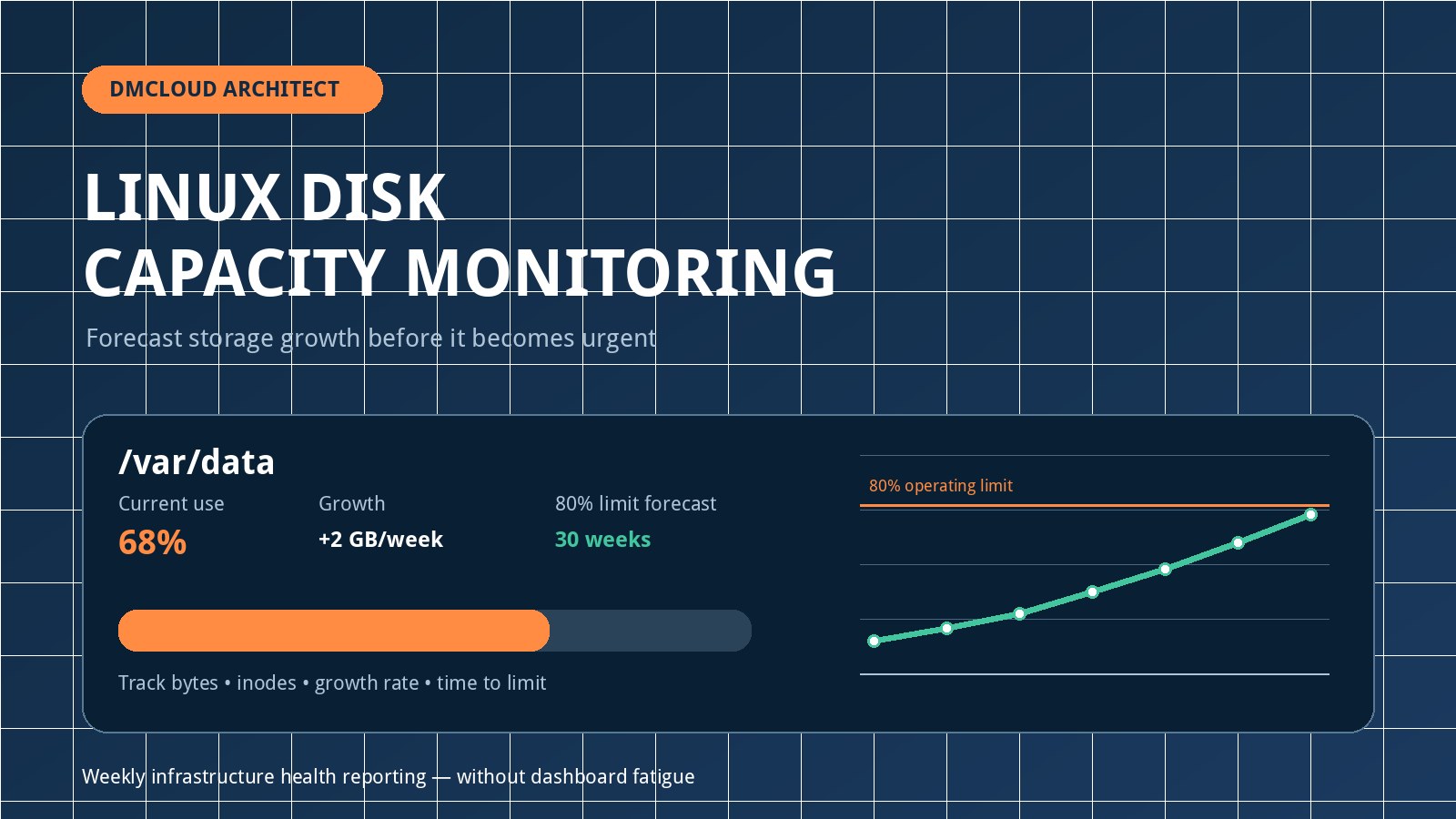
Linux disk capacity monitoring is most useful when it shows how quickly storage is growing, not only how full it is today. A small history of filesystem usage can reveal seasonal changes, estimate time to an operating limit, and give a team time to clean up data or expand storage safely. This guide builds a practical forecasting workflow with standard Linux tools, sensible thresholds, and weekly reporting.

Read More
Rolling Out Vector Configs Across Linux Hosts: A 12-Step Checklist

Rolling Out Vector Configs Across Linux Hosts: A 12-Step Checklist

Nov 22, 2026    Mariusz Antonik    Automation    8 min read

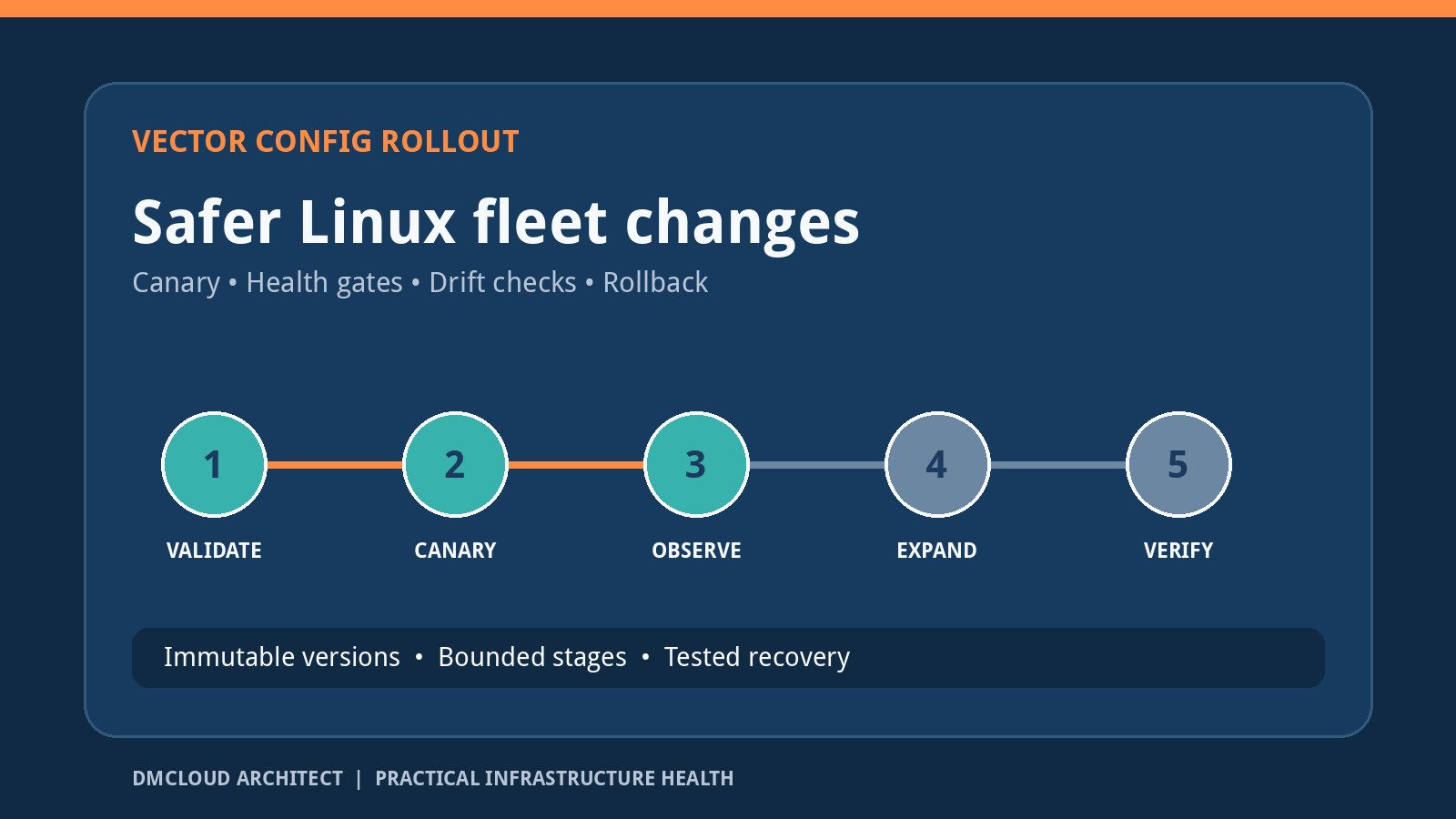
A Vector configuration can validate successfully and still fail when it reaches a different Linux host. A safe rollout needs immutable versions, a representative canary, health gates, deployment evidence, and a tested rollback path. This checklist shows developers and small businesses how to move log and metrics pipeline changes through a fleet without relying on a dashboard's green status alone. It also connects configuration delivery with practical Linux server monitoring.

Read More
Easy Server Reporting: A Low-Maintenance Weekly System

Easy Server Reporting: A Low-Maintenance Weekly System

Nov 21, 2026    Mariusz Antonik    Automation    10 min read

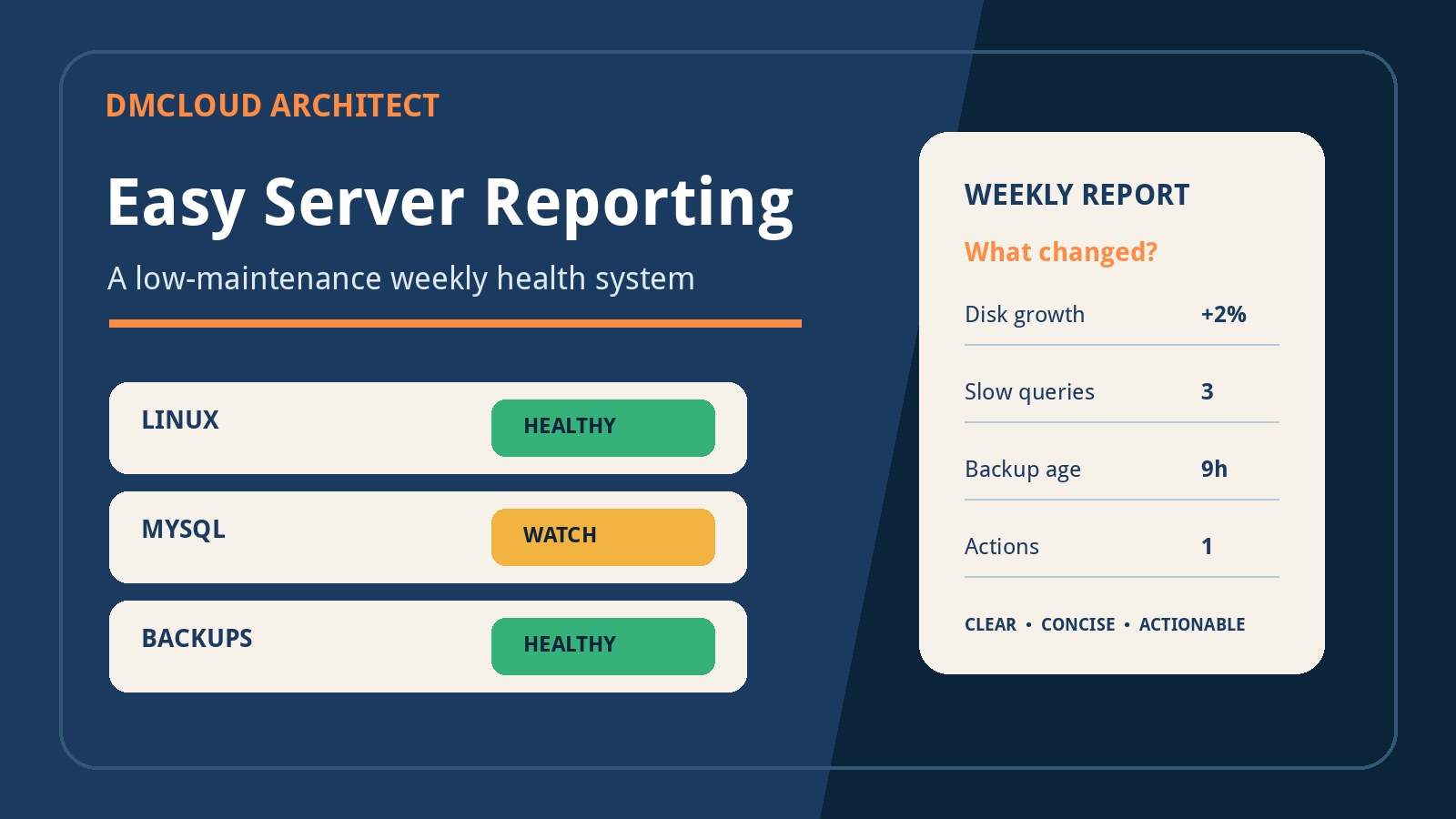
Easy server reporting gives developers and small business owners a clear view of infrastructure health without adding another dashboard to watch. A useful weekly report collects a small set of Linux, MySQL, backup, and capacity signals, compares them with previous periods, and highlights only meaningful changes. This guide shows how to build a low-maintenance reporting system that remains reliable, concise, and actionable.

Read More
Is a Linux Admin Wiki Legit? A 12-Step Trust Checklist

Is a Linux Admin Wiki Legit? A 12-Step Trust Checklist

Nov 20, 2026    Mariusz Antonik    Security    9 min read

A polished Linux administration wiki can still contain unsafe, stale, or copied instructions. Before running commands from an unfamiliar site, check its ownership, history, citations, command scope, and recovery advice. This practical checklist helps developers and small businesses judge technical guidance without treating appearance or search rank as proof. It also explains how Linux server monitoring provides evidence when you test a change safely.

Read More
Simple Disk Monitoring on Linux: A Practical Script and Cron Guide

Simple Disk Monitoring on Linux: A Practical Script and Cron Guide

Nov 19, 2026    Mariusz Antonik    Automation    10 min read

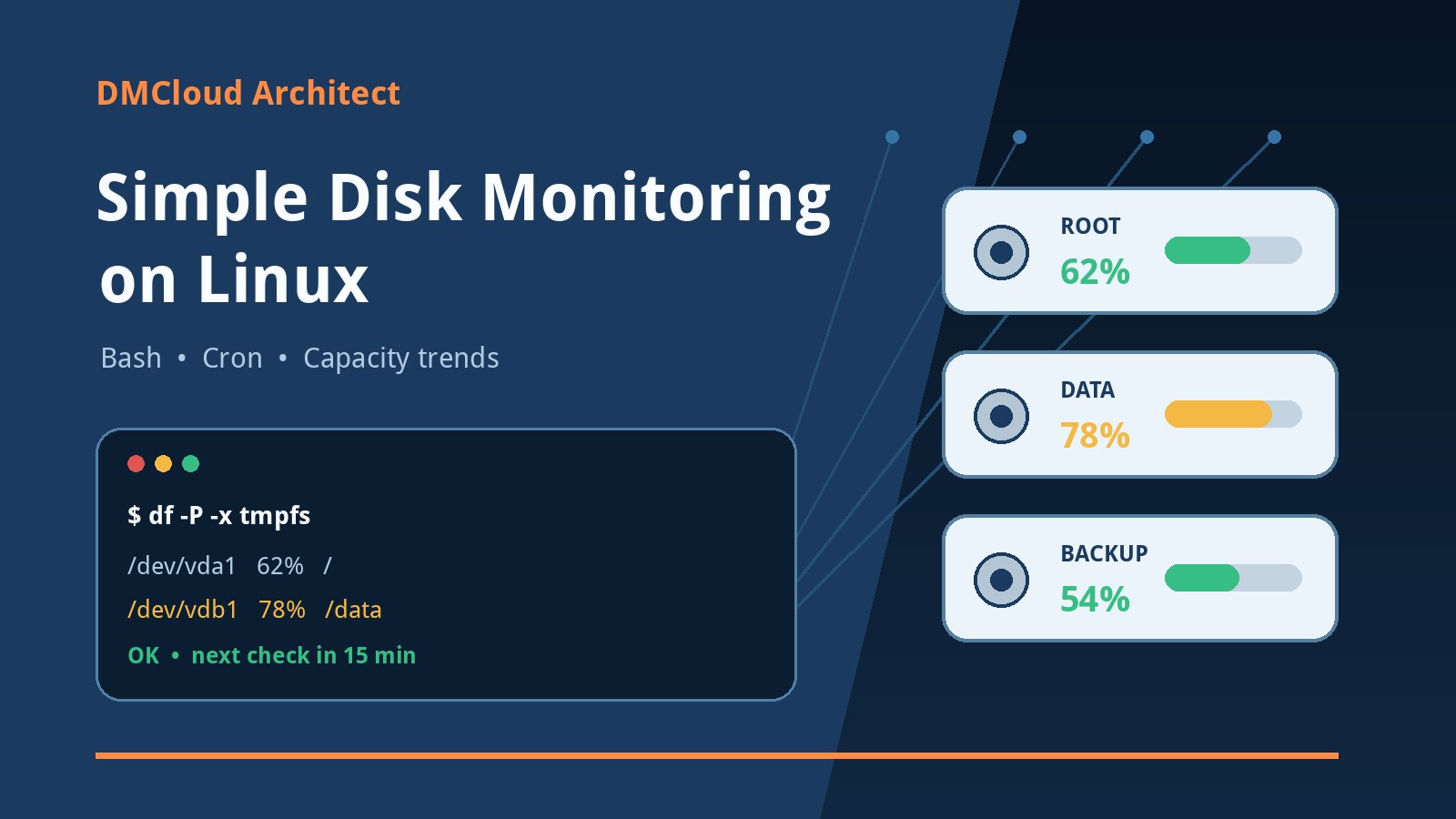
Simple disk monitoring on Linux can catch capacity problems before applications fail, without requiring a large monitoring platform. A dependable setup checks filesystem space and inodes, excludes unsuitable mounts, records timestamped results, and alerts only when action is needed. This guide builds a practical Bash script, schedules it safely with cron, and explains how to turn snapshots into useful trends.

Read More
Linux Patch Management: A Production-Trust Checklist

Linux Patch Management: A Production-Trust Checklist

Nov 18, 2026    Mariusz Antonik    Automation    10 min read

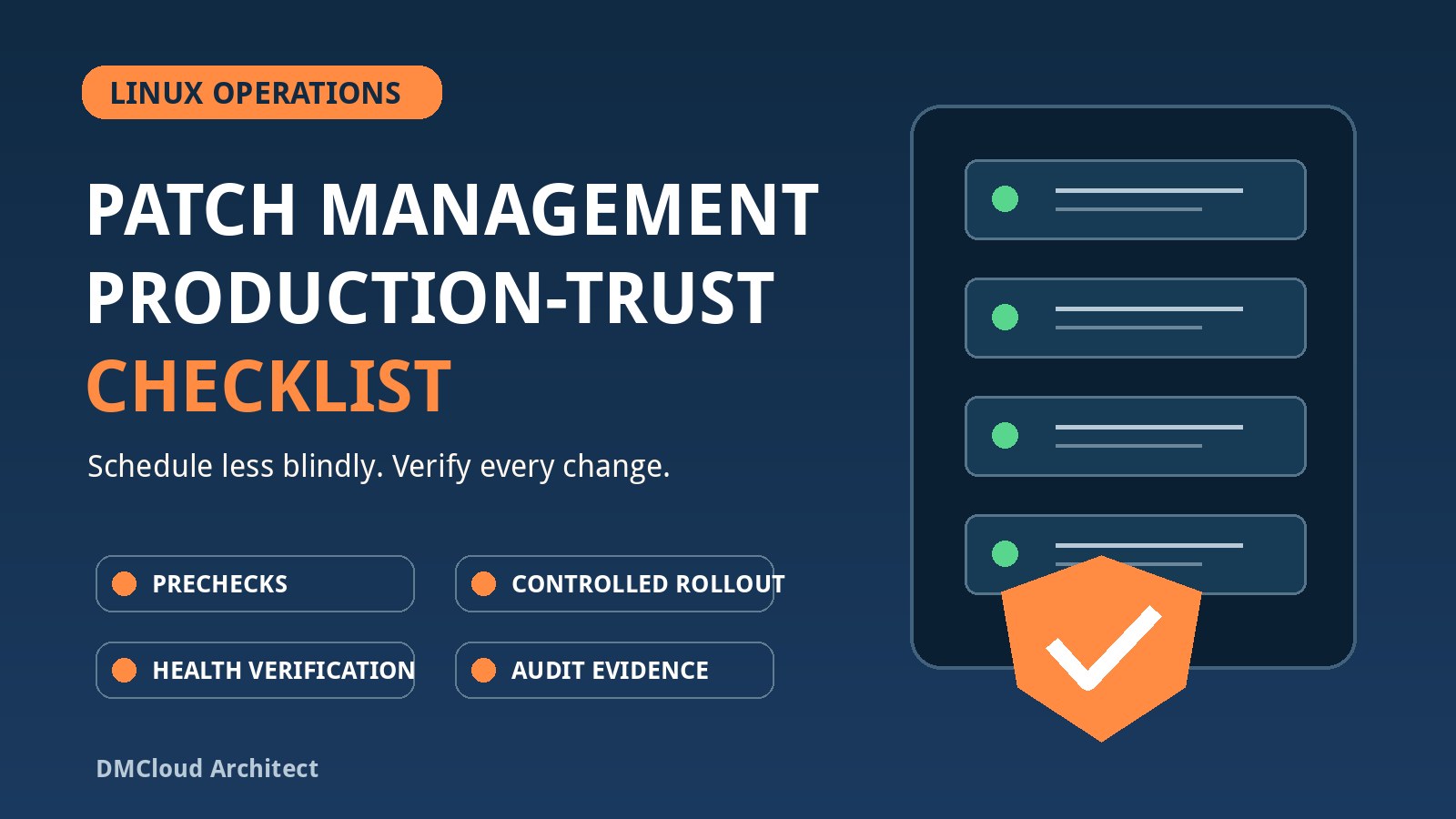
Linux patch management needs more than a scheduler and a green dashboard before administrators can trust it in production. A reliable process controls scope, checks service health, preserves evidence, handles failures, and supports a tested rollback path. This checklist explains how to evaluate a patching tool across mixed Linux fleets without confusing command completion with business-service recovery. It also shows how Linux server monitoring can provide the before-and-after evidence needed for safer changes and useful compliance reports.

Read More
Server Metrics Trends: Turn History Into Early Warnings

Server Metrics Trends: Turn History Into Early Warnings

Nov 17, 2026    Mariusz Antonik    Automation    9 min read

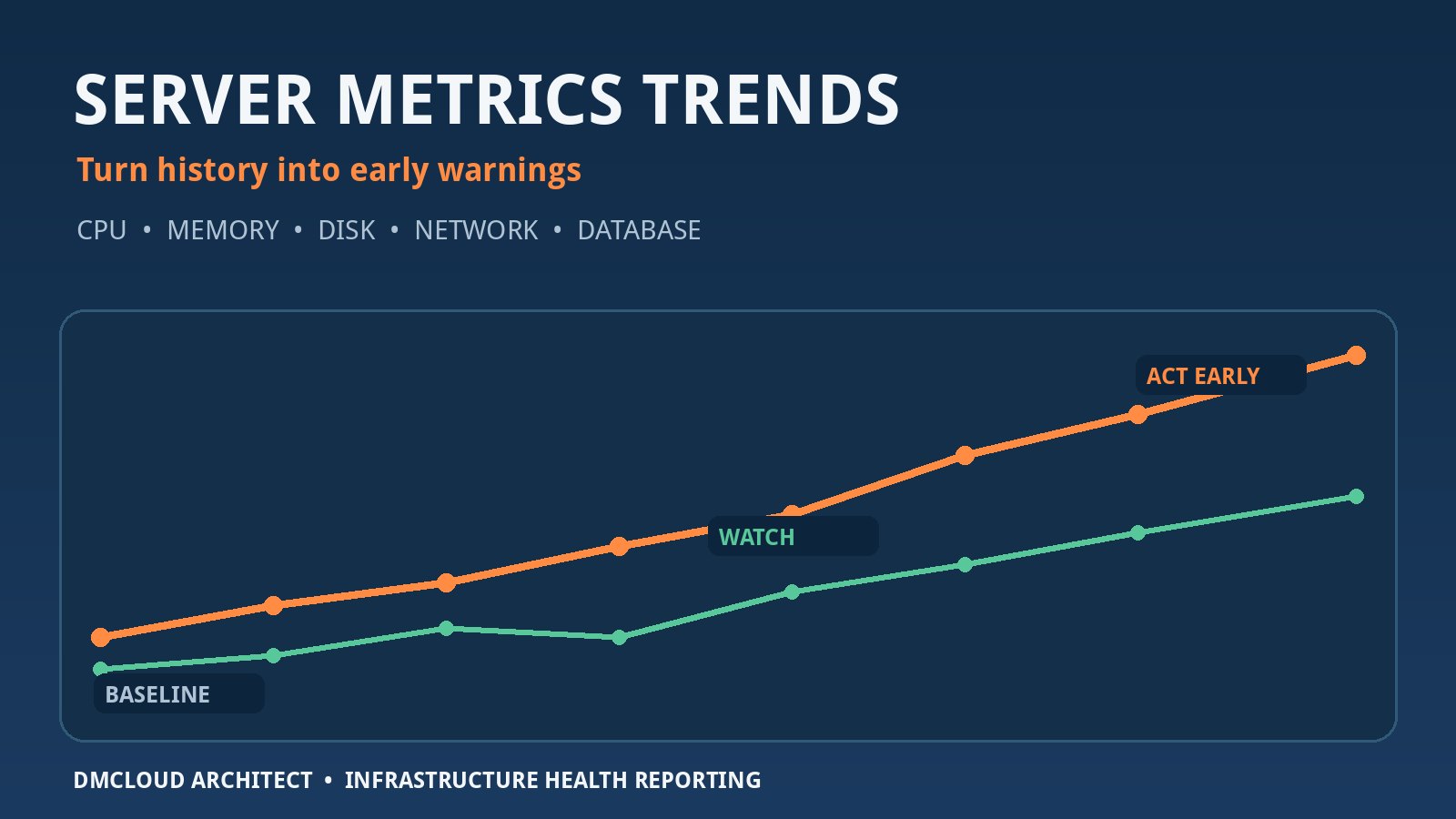
Server metrics trends reveal gradual capacity loss and performance drift that isolated checks often miss. A useful analysis compares consistent workload windows across CPU, memory, disk, network, application, and database signals instead of reacting to every spike. This guide shows how to build dependable baselines, connect related changes, and turn historical server monitoring into concise weekly actions.

Read More
Linux Multi-Seat Lab Setup: A Budget Server Checklist

Linux Multi-Seat Lab Setup: A Budget Server Checklist

Nov 16, 2026    Mariusz Antonik    Automation    9 min read

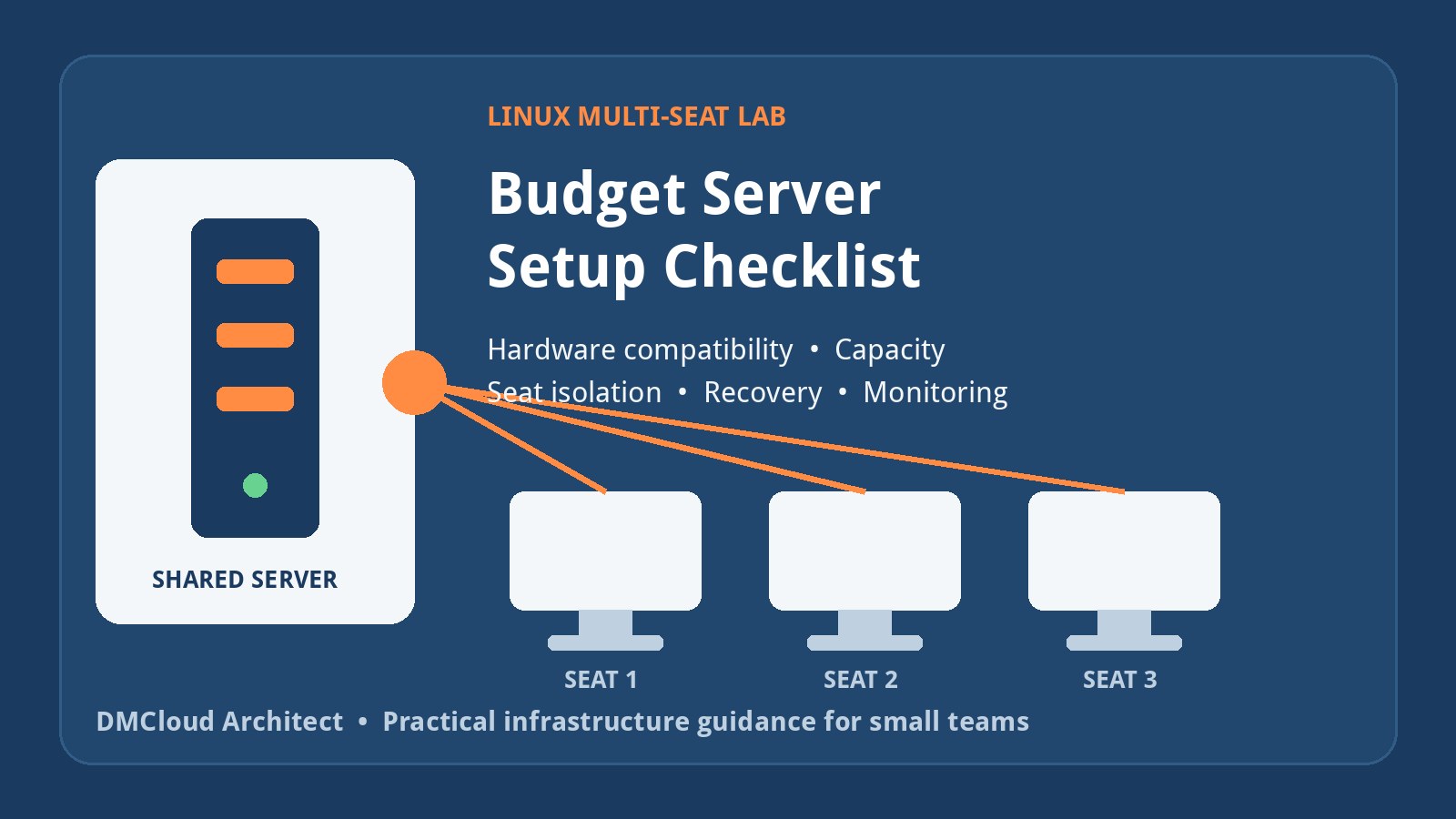
A Linux multi-seat lab can stretch a small training budget by letting several students share one computer. Success depends on verified hardware compatibility, dedicated input and display paths, realistic capacity planning, and a tested fallback. This checklist covers the decisions to make before buying used server parts and the health checks to run after deployment. It also explains when inexpensive thin clients may be simpler than true multi-seat hardware.

Read More
Server CPU Trend Analysis: Find Linux Performance Drift Early

Server CPU Trend Analysis: Find Linux Performance Drift Early

Nov 15, 2026    Mariusz Antonik    Automation    9 min read

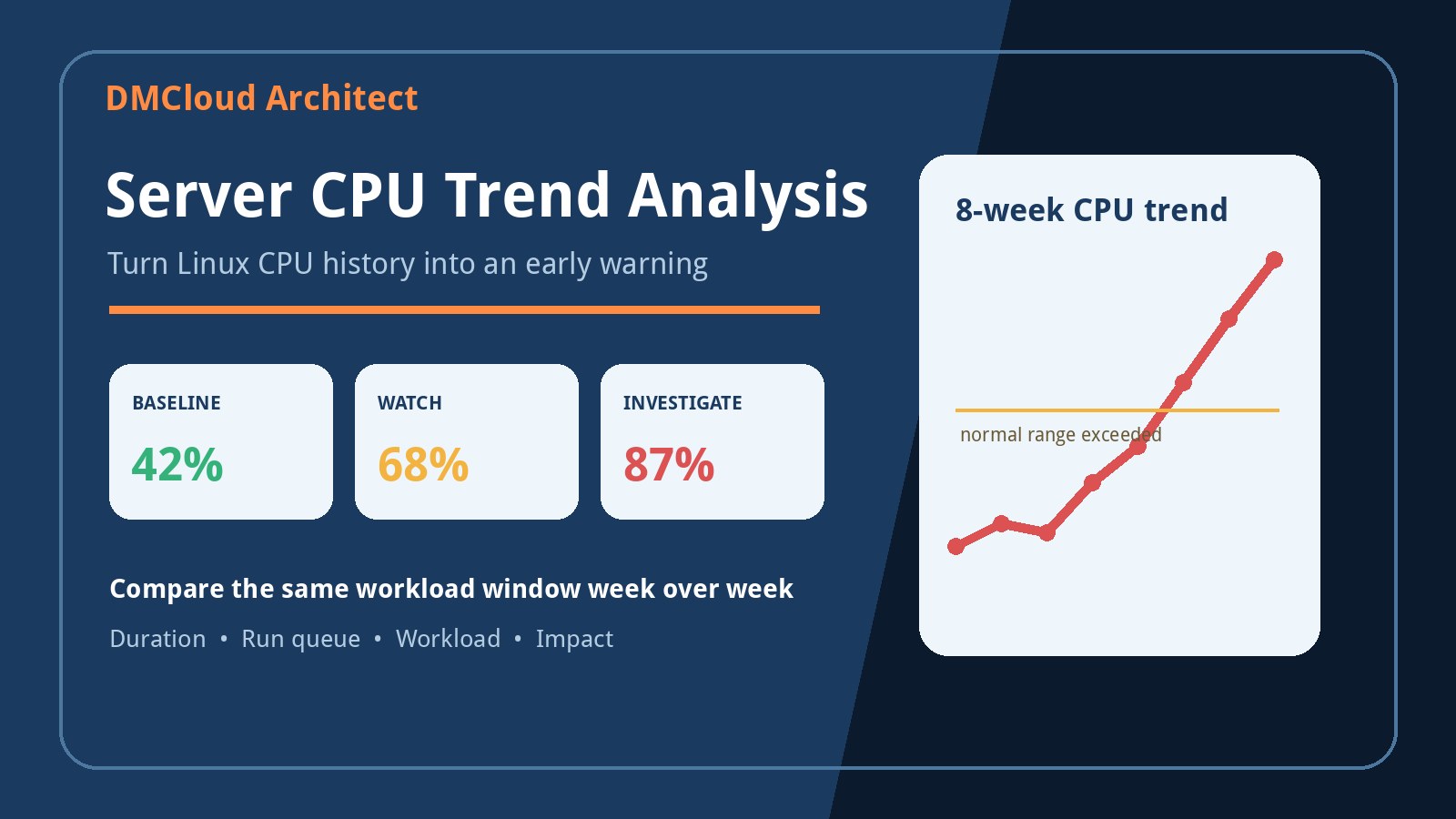
Server CPU trend analysis reveals gradual Linux performance drift that a one-time utilization snapshot cannot show. A useful review compares consistent workload windows, duration, run-queue demand, process activity, and service impact against a reliable baseline. This guide explains how to collect CPU history, interpret the trend, and turn it into practical weekly decisions before users notice a slowdown.

Read More