Blog

MySQL Performance Visibility: Turn Metrics into Useful Trends

MySQL Performance Visibility: Turn Metrics into Useful Trends

Nov 07, 2026    Mariusz Antonik    Database    8 min read

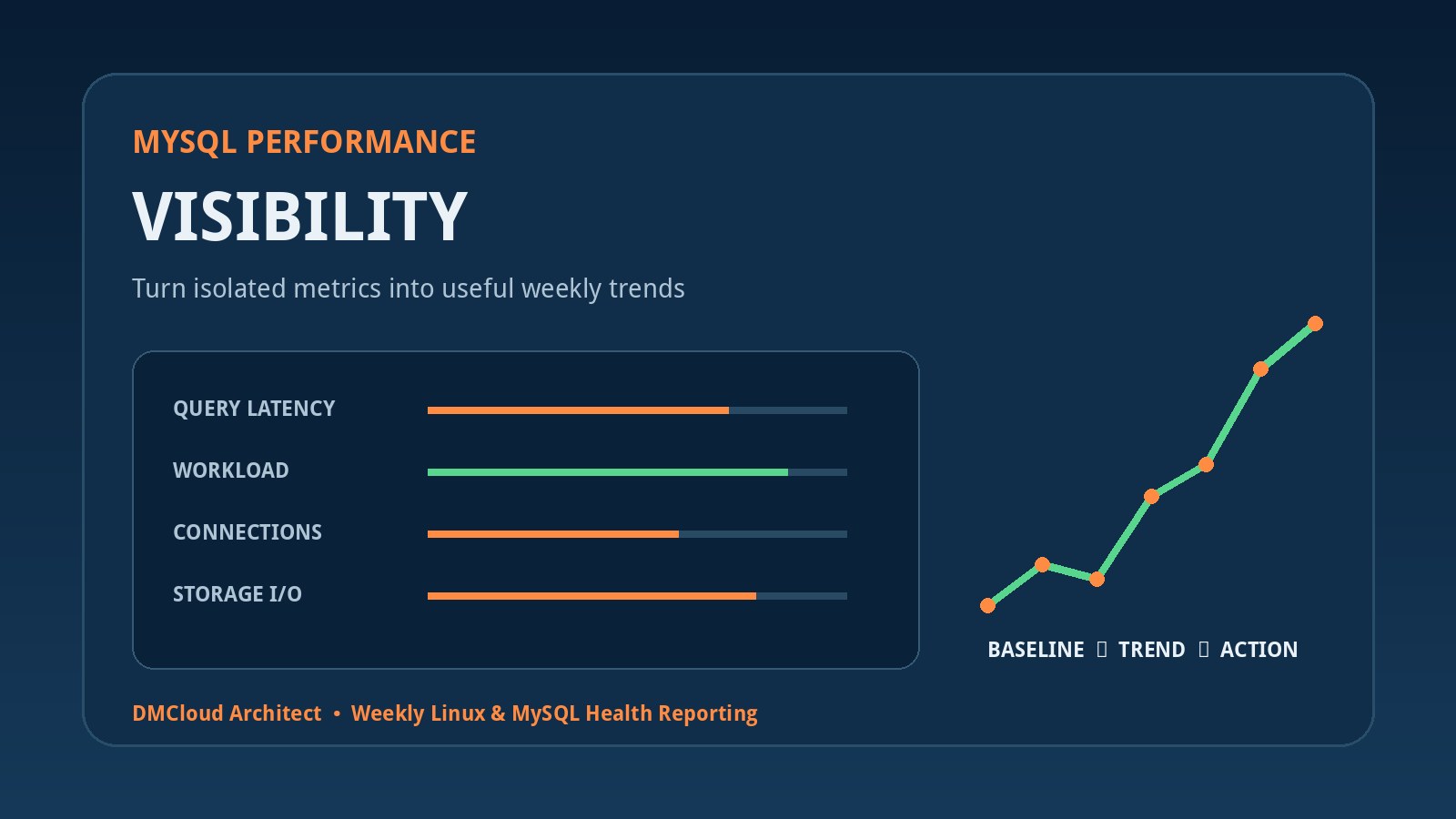
MySQL performance visibility comes from comparing a small set of reliable measurements over time, not collecting every available counter. A useful trend view connects workload, latency, connections, resource pressure, and database changes so gradual degradation becomes visible before users complain. This guide shows developers and small teams what to measure, how to build a baseline, and how to turn weekly trends into practical actions.

Read More
Is Your First Technical Support Job a Dead End? A Linux-to-DevOps Growth Checklist

Is Your First Technical Support Job a Dead End? A Linux-to-DevOps Growth Checklist

Nov 06, 2026    Mariusz Antonik    Automation    9 min read

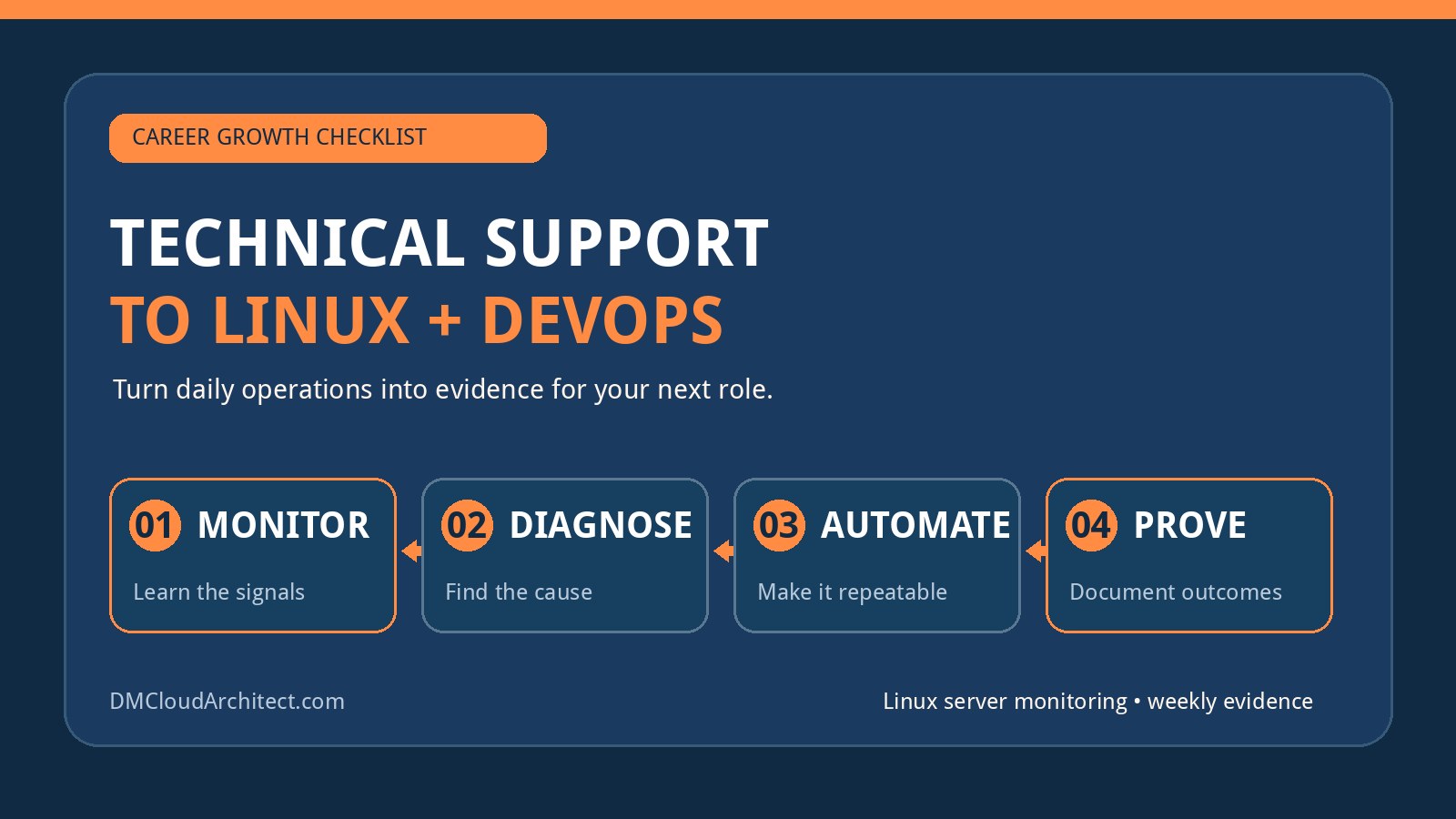
A first technical support job does not have to match your final career goal to be useful. Monitoring servers, maintaining databases, documenting incidents, and administering software can become credible Linux and DevOps experience when you deliberately build depth and evidence. This checklist helps you judge whether the role is still teaching you, identify warning signs, and create a practical 90-day growth plan. It also explains how to turn Linux server monitoring work into portfolio and interview material without exaggerating your responsibilities.

Read More
Small Business Server Monitoring: A Practical Weekly Plan

Small Business Server Monitoring: A Practical Weekly Plan

Nov 05, 2026    Mariusz Antonik    Automation    8 min read

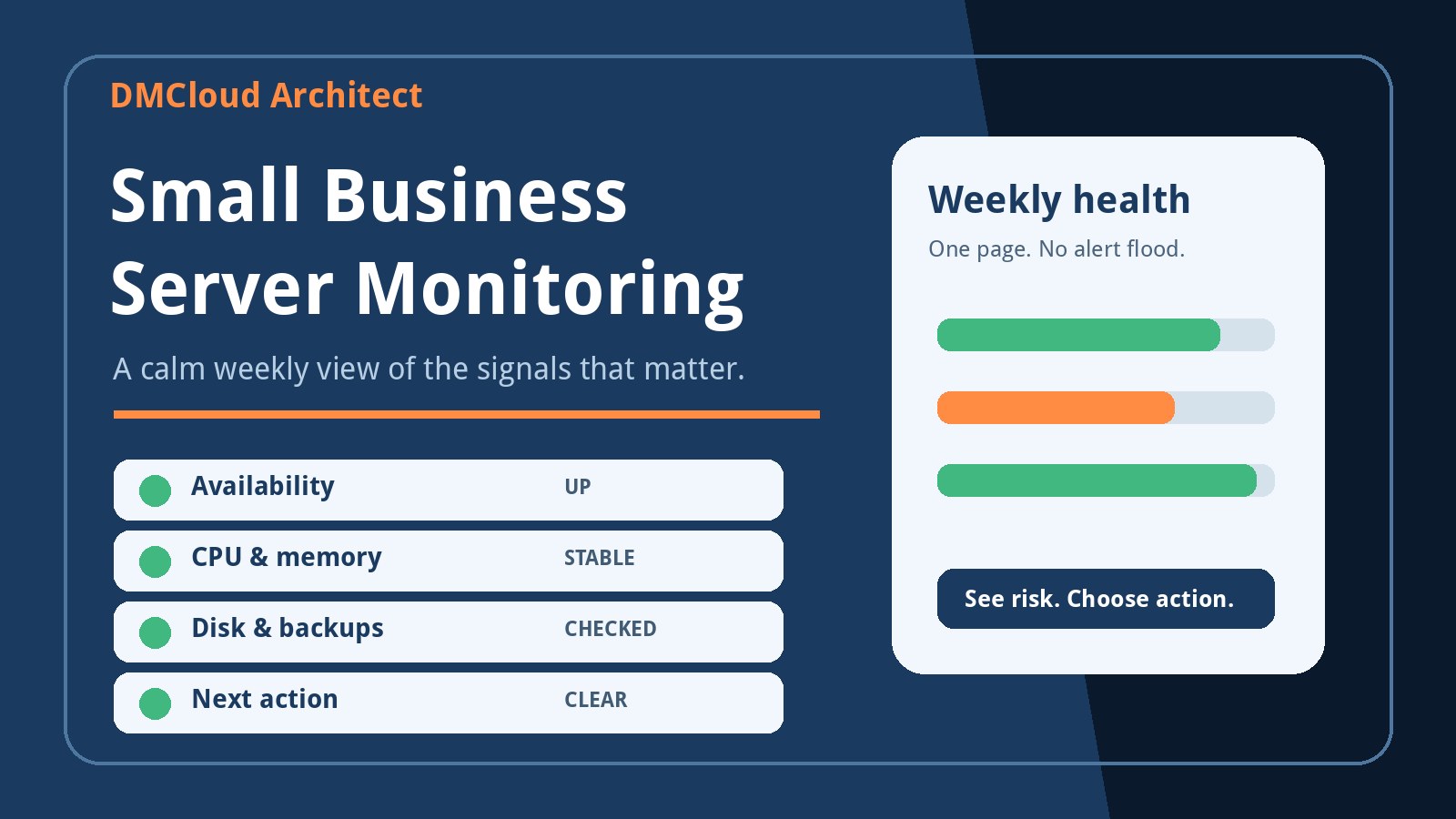
Small business server monitoring does not need a crowded dashboard or a full-time operations team. A focused weekly review can reveal availability, capacity, storage, backup, database, and security risks while there is still time to act. This guide explains which signals matter, how to set useful thresholds, and how to turn the results into a short action plan.

Read More
How Long Should You Keep an Old Linux Server? A Decommissioning Checklist

How Long Should You Keep an Old Linux Server? A Decommissioning Checklist

Nov 04, 2026    Mariusz Antonik    Automation    8 min read

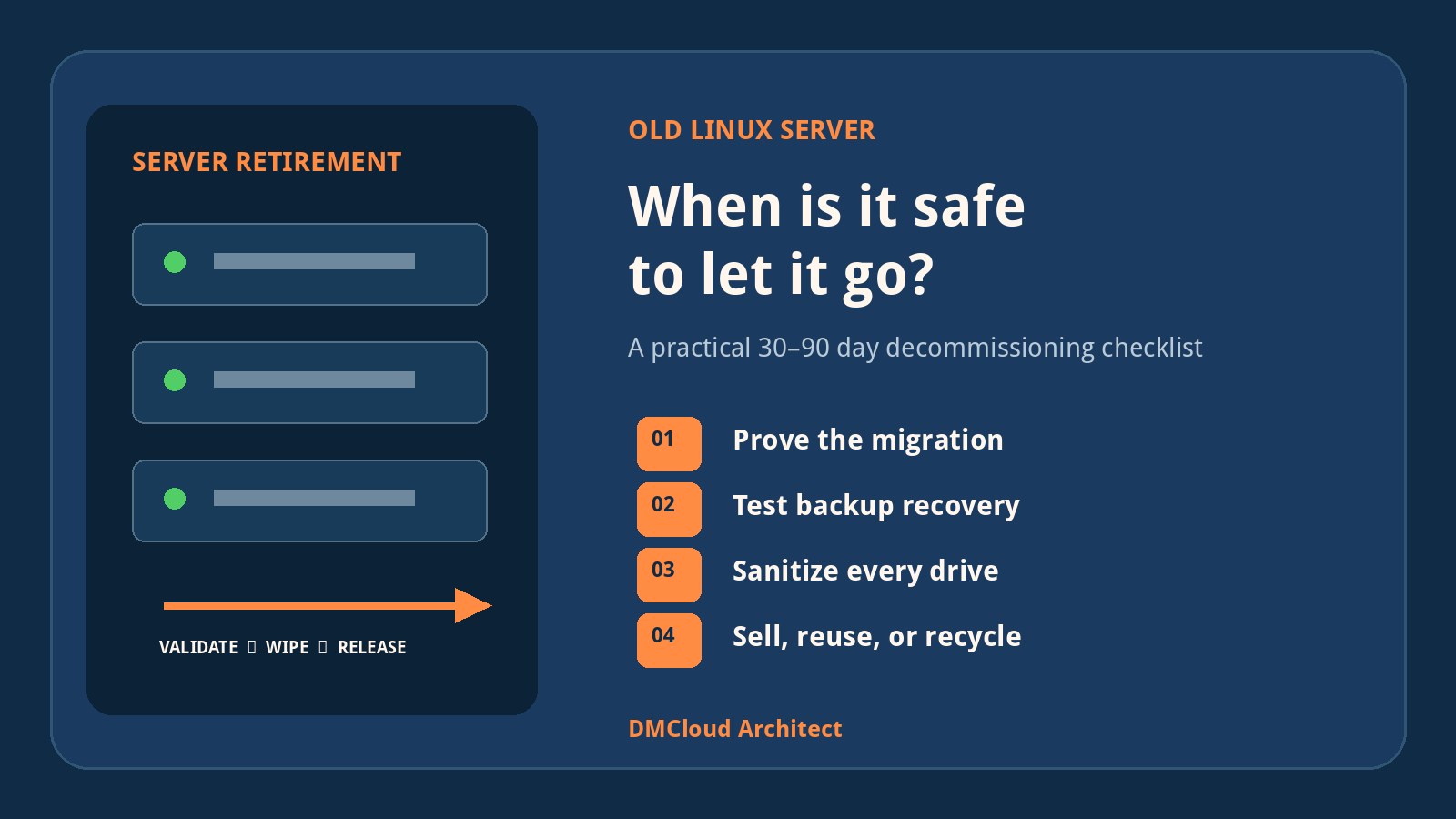
Keeping a retired server indefinitely feels safe, but it often preserves uncertainty rather than reducing risk. A short, evidence-based rollback window is usually more useful than a machine gathering dust for years. This checklist covers migration validation, Linux server monitoring, data sanitization, resale, recycling, and the records a small business should retain. It also provides a practical timetable for deciding when old hardware can leave the building.

Read More
CPU Monitoring Commands in Linux: A Practical Guide Without Heavy Tools

CPU Monitoring Commands in Linux: A Practical Guide Without Heavy Tools

Nov 03, 2026    Mariusz Antonik    Automation    9 min read

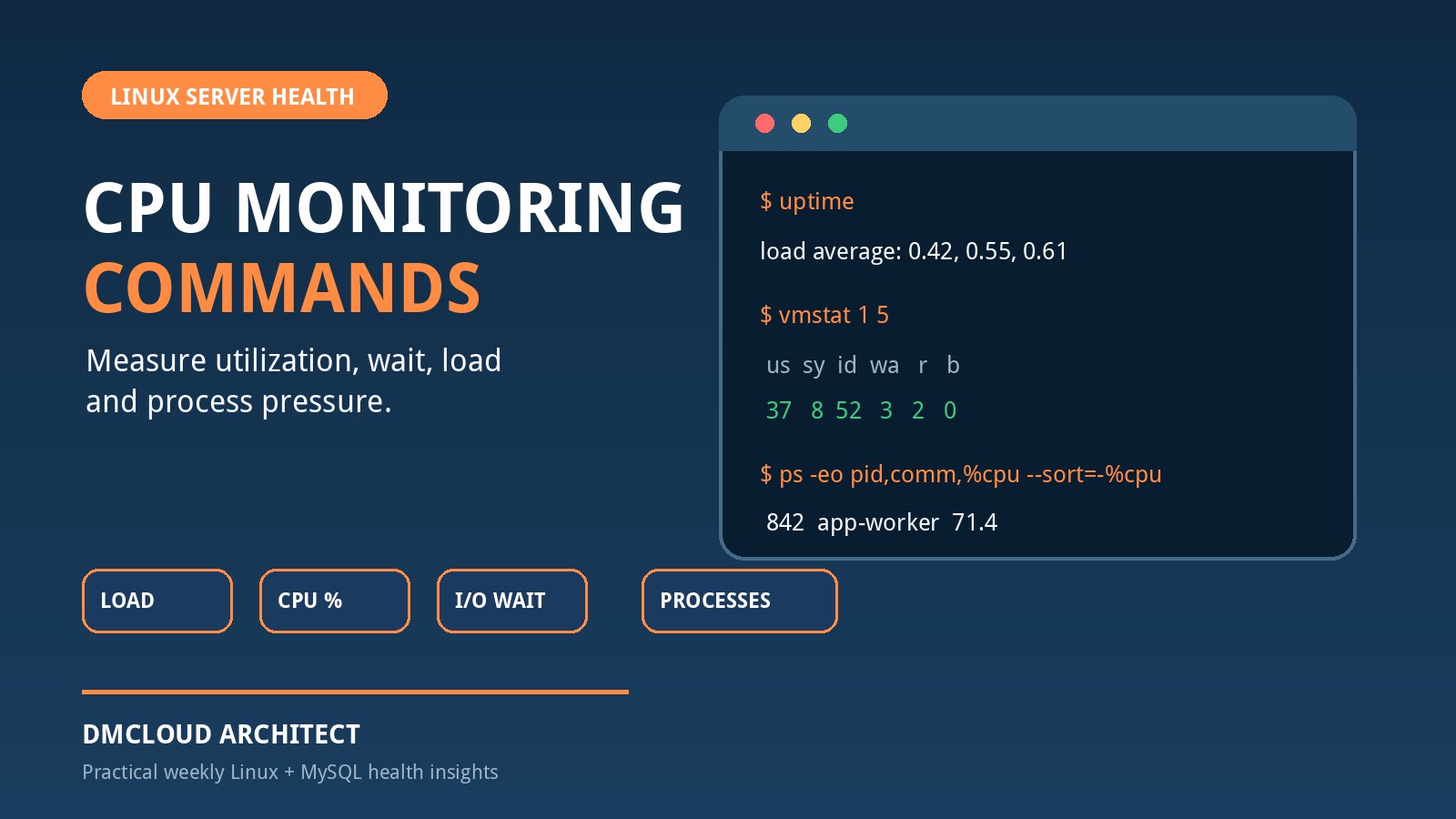
Linux includes enough CPU monitoring commands to diagnose most small-server slowdowns without installing a large observability stack. This guide shows how to read load, utilization, process, wait, and pressure signals with uptime, top, ps, vmstat, mpstat, pidstat, and /proc/stat. It also provides a lightweight Bash sampling pattern and a weekly review workflow for spotting sustained CPU pressure early.

Read More
Struggling With LPIC-1? A Practical Linux Study and Home Lab Checklist

Struggling With LPIC-1? A Practical Linux Study and Home Lab Checklist

Nov 02, 2026    Mariusz Antonik    Automation    10 min read

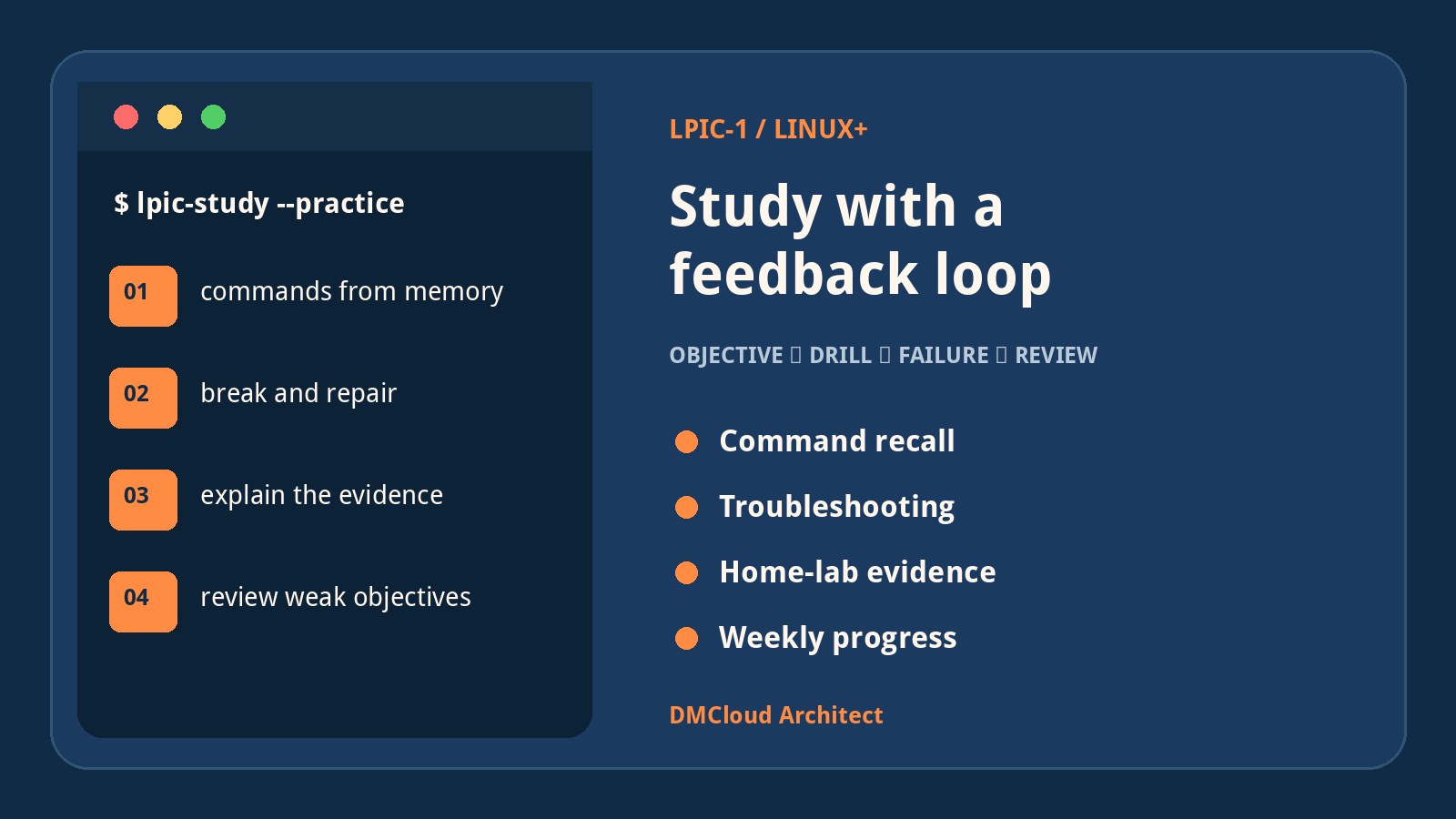
Passing simple labs but struggling on a Linux exam usually points to a gap between recognition and recall, not a lack of ability. This checklist turns LPIC-1 or Linux+ objectives into short command-line drills, troubleshooting scenarios, and home-lab evidence. It also shows how Linux server monitoring can make practice measurable instead of random.

Read More
MySQL Query Degradation: Detect and Reverse Performance Decline

MySQL Query Degradation: Detect and Reverse Performance Decline

Nov 01, 2026    Mariusz Antonik    Database    8 min read

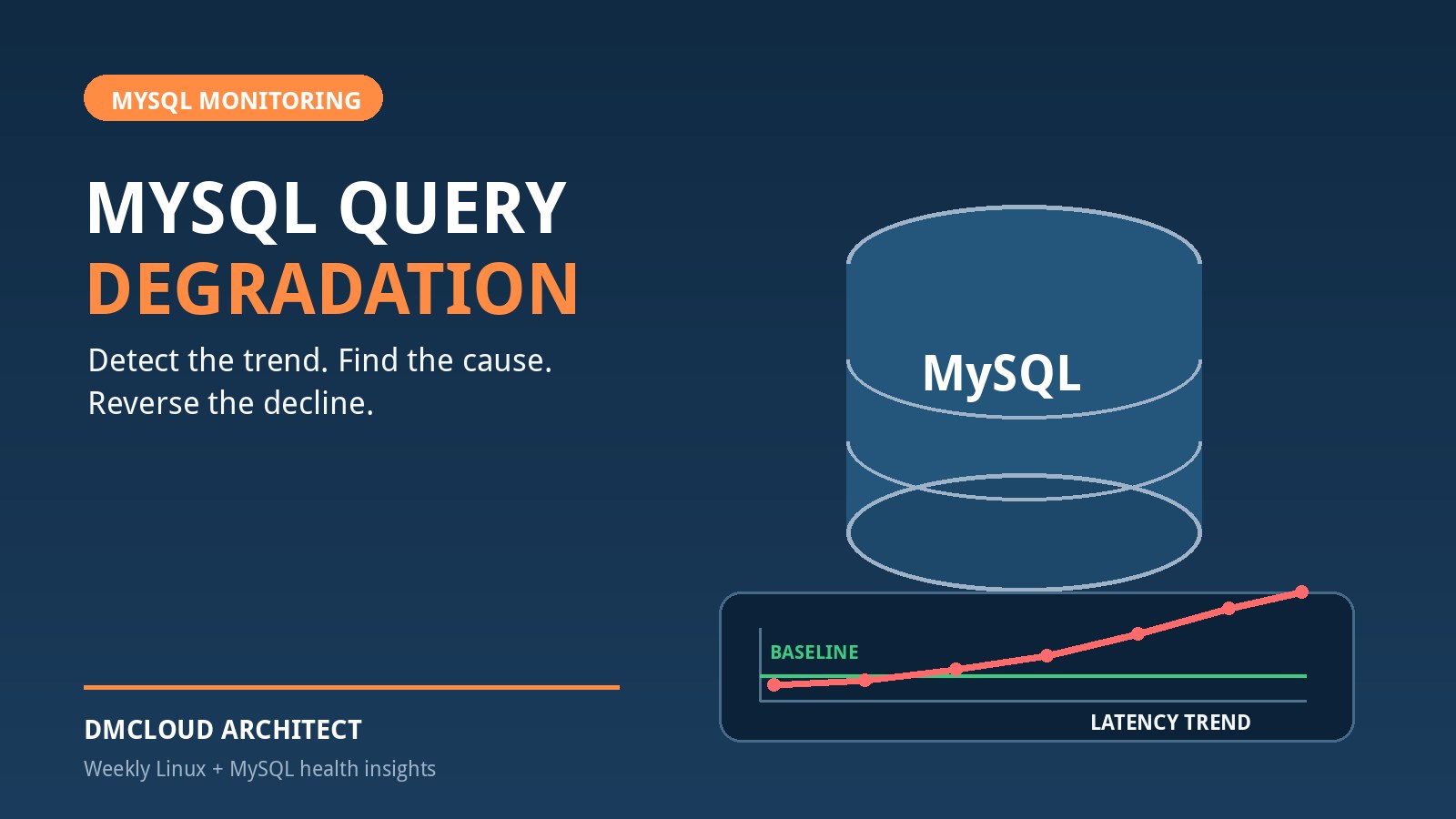
MySQL query degradation often appears as a gradual rise in response time, examined rows, or lock waits rather than a sudden outage. This guide explains how to compare stable baselines with current statement digests, execution plans, data growth, and host conditions. It also provides a measured recovery workflow and a compact weekly review for catching regressions early.

Read More
From Linux and Cloud Administrator to DevOps Engineer: Resume Evidence Checklist

From Linux and Cloud Administrator to DevOps Engineer: Resume Evidence Checklist

Oct 31, 2026    Mariusz Antonik    Automation    9 min read

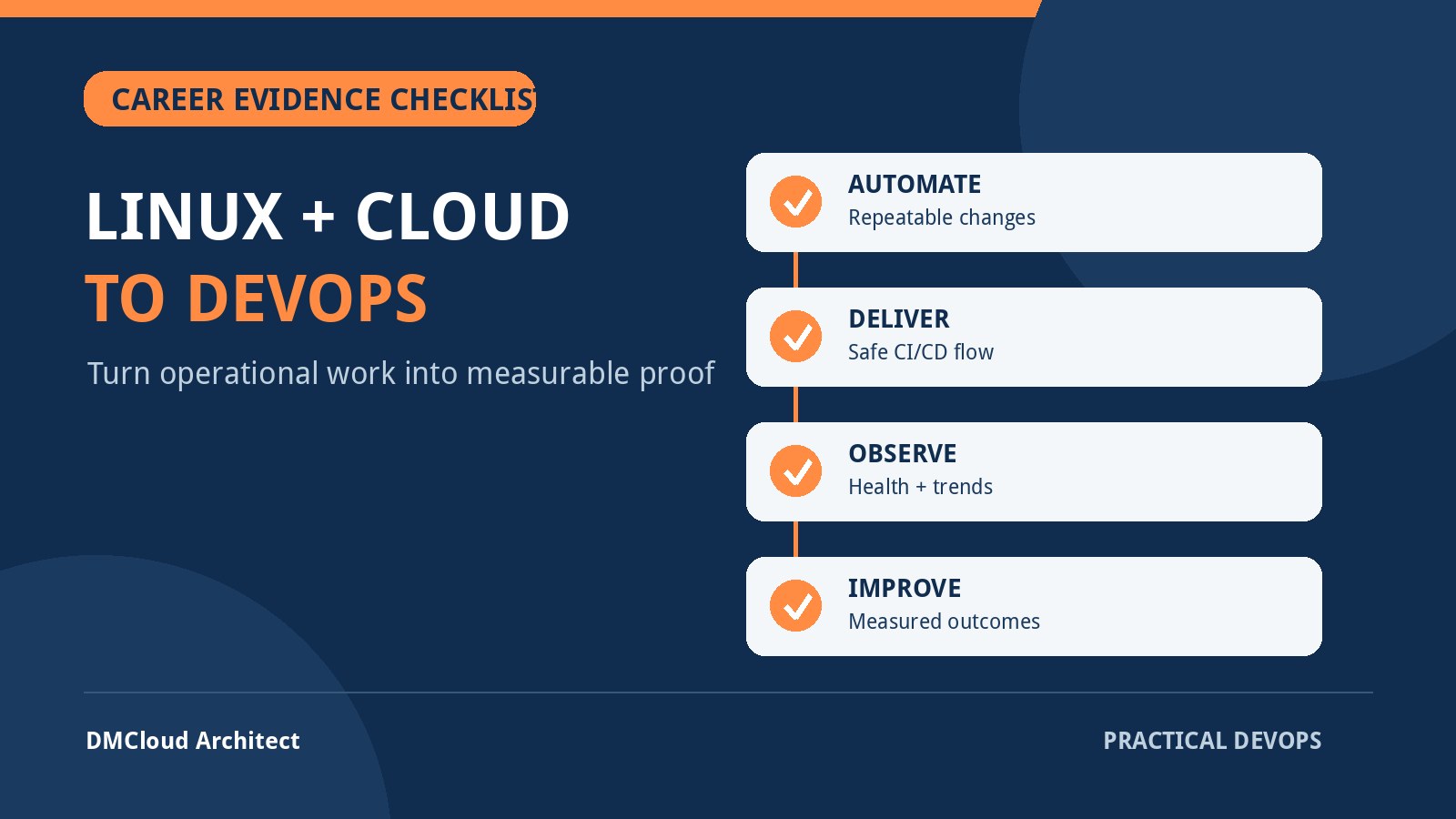
A strong DevOps resume does more than list Linux, cloud, and automation tools; it shows how you improved delivery, reliability, and operational feedback. This checklist helps Linux and cloud administrators turn routine work into credible evidence across infrastructure as code, CI/CD, incident response, and Linux server monitoring. It also identifies practical portfolio gaps to close before applying.

Read More
Linux Monitoring Script: A Practical Lightweight Server Health Check

Linux Monitoring Script: A Practical Lightweight Server Health Check

Oct 30, 2026    Mariusz Antonik    Automation    8 min read

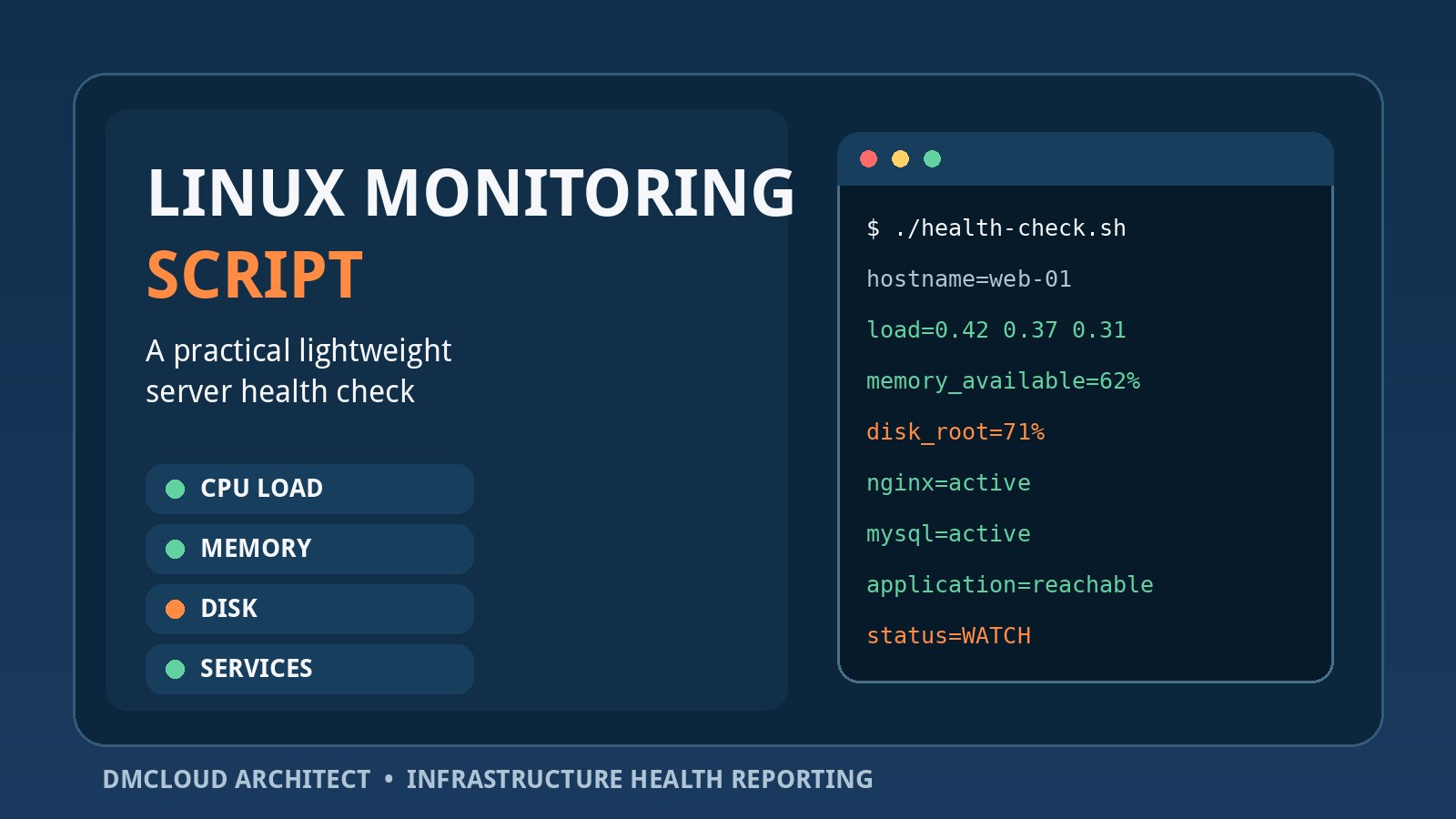
A Linux monitoring script can collect a focused set of server health signals without adding a large monitoring platform. This guide shows how to check load, memory, storage, services, ports, and recent failures while keeping output useful and safe. It includes a practical Bash example plus scheduling, retention, and threshold guidance. Use it as a starting point for lightweight Linux monitoring and weekly infrastructure reviews.

Read More
How to Learn Linux Administration: A Structured Operations Roadmap

How to Learn Linux Administration: A Structured Operations Roadmap

Oct 29, 2026    Mariusz Antonik    Automation    11 min read

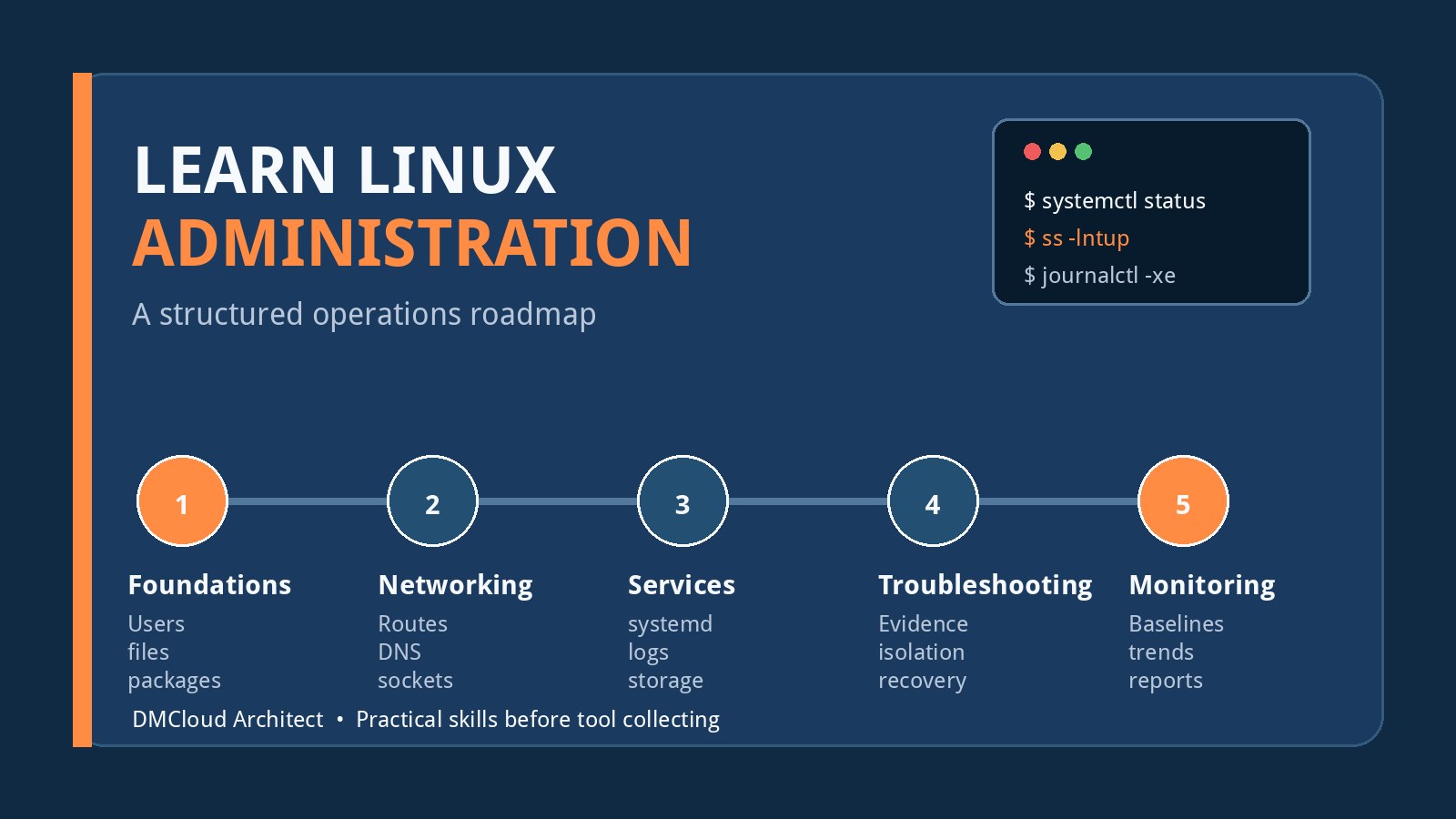
Moving from comfortable Linux user to capable administrator takes a structured practice loop, not an endless playlist of disconnected commands. This roadmap organizes fundamentals, networking, services, security, troubleshooting, and Linux server monitoring into hands-on stages. It also explains how to judge courses and certifications without treating any credential as a substitute for operational practice.

Read More