Introduction
Small teams often run critical applications on just a few servers, yet lack proper visibility into system health. When issues occur, they are usually detected too late—impacting users, revenue, and trust. Traditional monitoring tools are often too complex and expensive for small environments.
This guide explains how to implement lightweight infrastructure monitoring that is simple, cost-effective, and practical.
The Problem
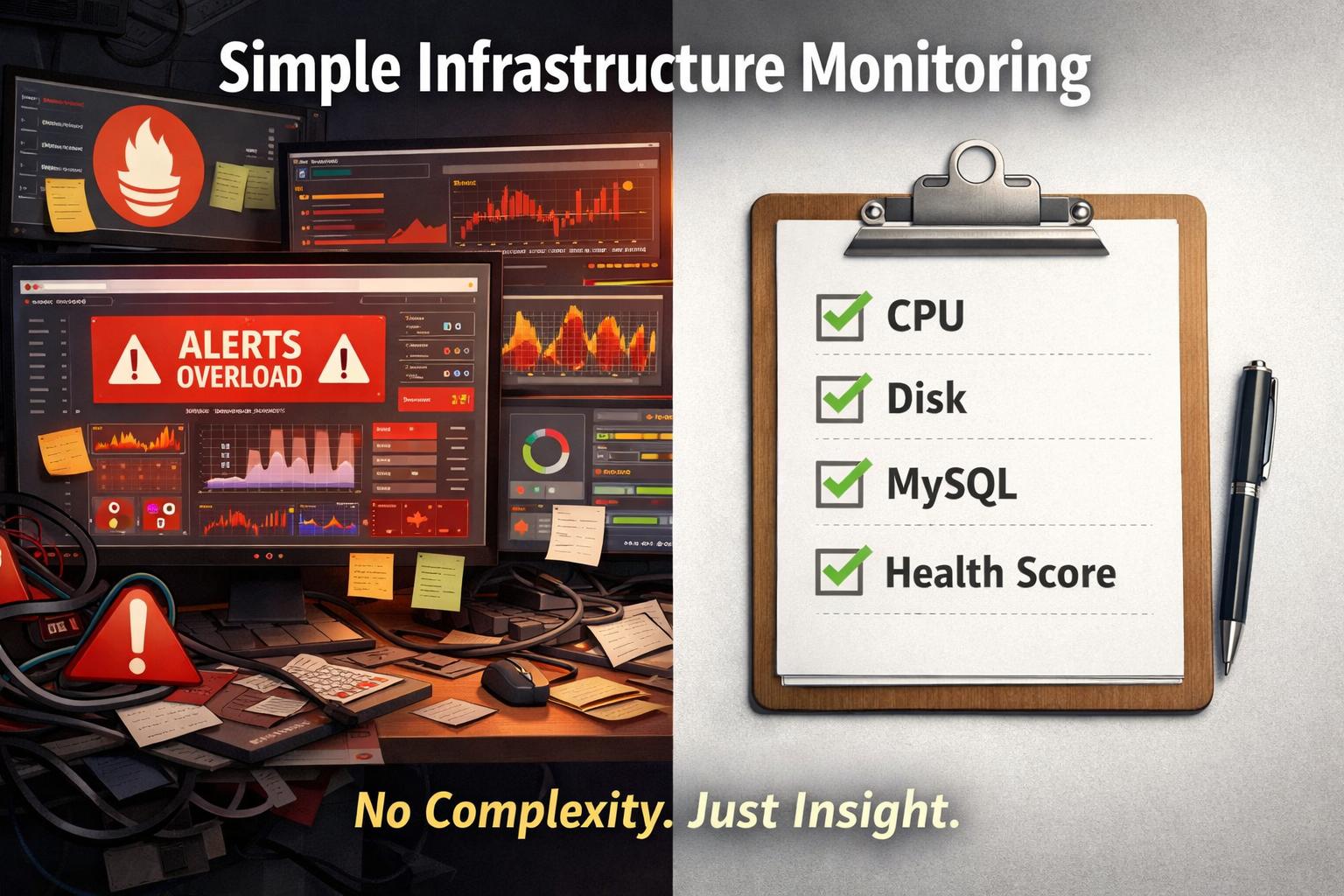
Most monitoring solutions fail small businesses because they are:
- Over-complex: Too many metrics and dashboards
- Resource-heavy: High CPU and memory usage
- Expensive: Built for enterprise scale
- Noisy: Excessive alerts causing fatigue
Small teams need focused monitoring that highlights only what matters.
Practical Solution
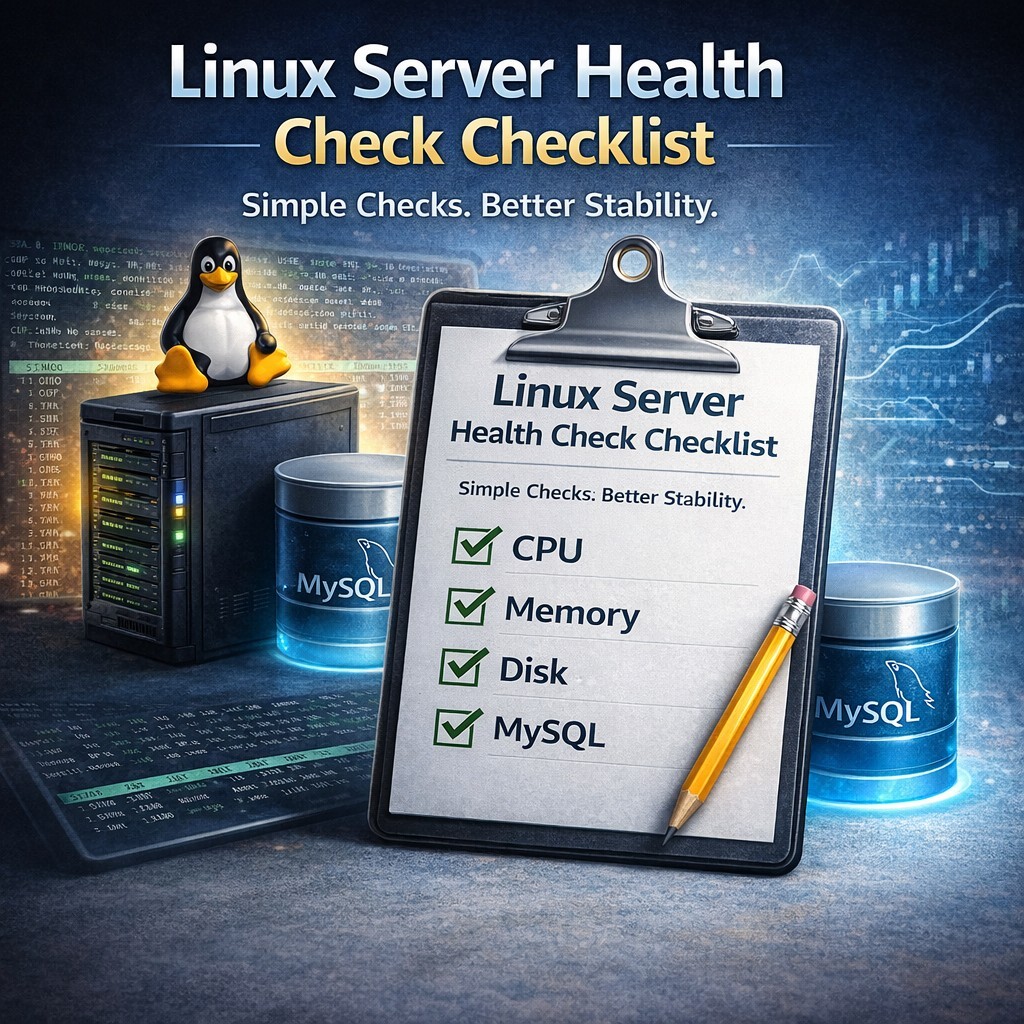
A lightweight monitoring approach should cover:
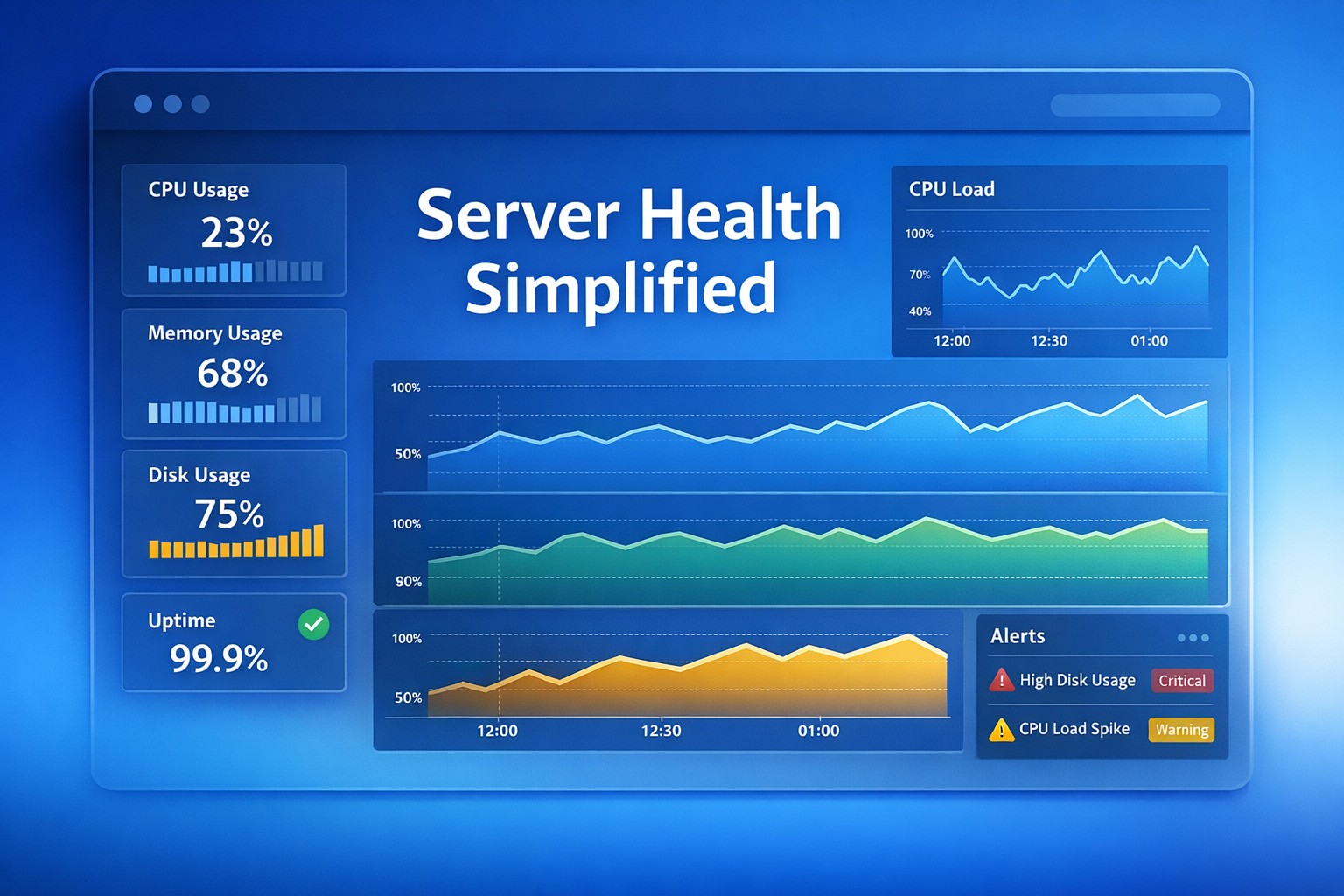
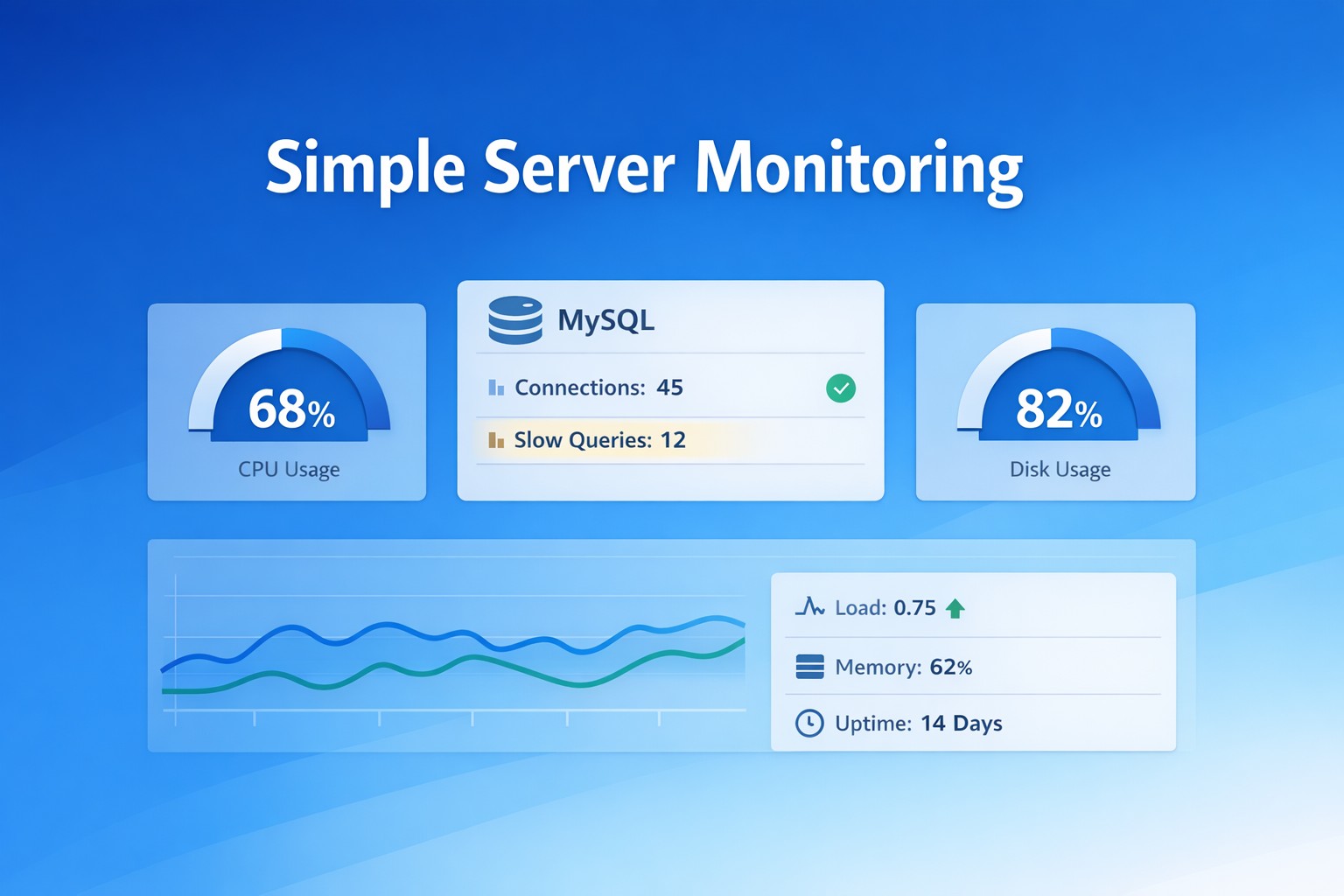
- Server health (CPU, RAM, disk, uptime)
- Service availability (web, SSH, database)
- Basic performance indicators
- Simple alerting for real issues
Tools like DMCloudArchitect Health Dashboard provide a simple way to monitor infrastructure without complexity.
Architecture / Approach
- Use agent-based or script-based monitoring
- Collect essential metrics only
- Centralize logs and health checks
- Set threshold-based alerts
Best Practices
- Monitor only critical services
- Keep alerting simple and actionable
- Use dashboards for quick visibility
- Automate basic health checks
Common Mistakes
- Tracking too many metrics
- Ignoring alert tuning
- Using overly complex tools
- Not testing alerts regularly
Summary
Lightweight infrastructure monitoring helps small teams stay in control without unnecessary complexity. By focusing on essential metrics and simple alerts, teams can ensure reliability and performance with minimal overhead.