Blog - Tag: database performance

MySQL Query Degradation: Detect and Reverse Performance Decline

MySQL Query Degradation: Detect and Reverse Performance Decline

Nov 01, 2026    Mariusz Antonik    Database    8 min read

MySQL query degradation often appears as a gradual rise in response time, examined rows, or lock waits rather than a sudden outage. This guide explains how to compare stable baselines with current statement digests, execution plans, data growth, and host conditions. It also provides a measured recovery workflow and a compact weekly review for catching regressions early.

Read More
MySQL Query Latency Analysis: Find Slow Queries Before Users Notice

MySQL Query Latency Analysis: Find Slow Queries Before Users Notice

Oct 24, 2026    Mariusz Antonik    Database    8 min read

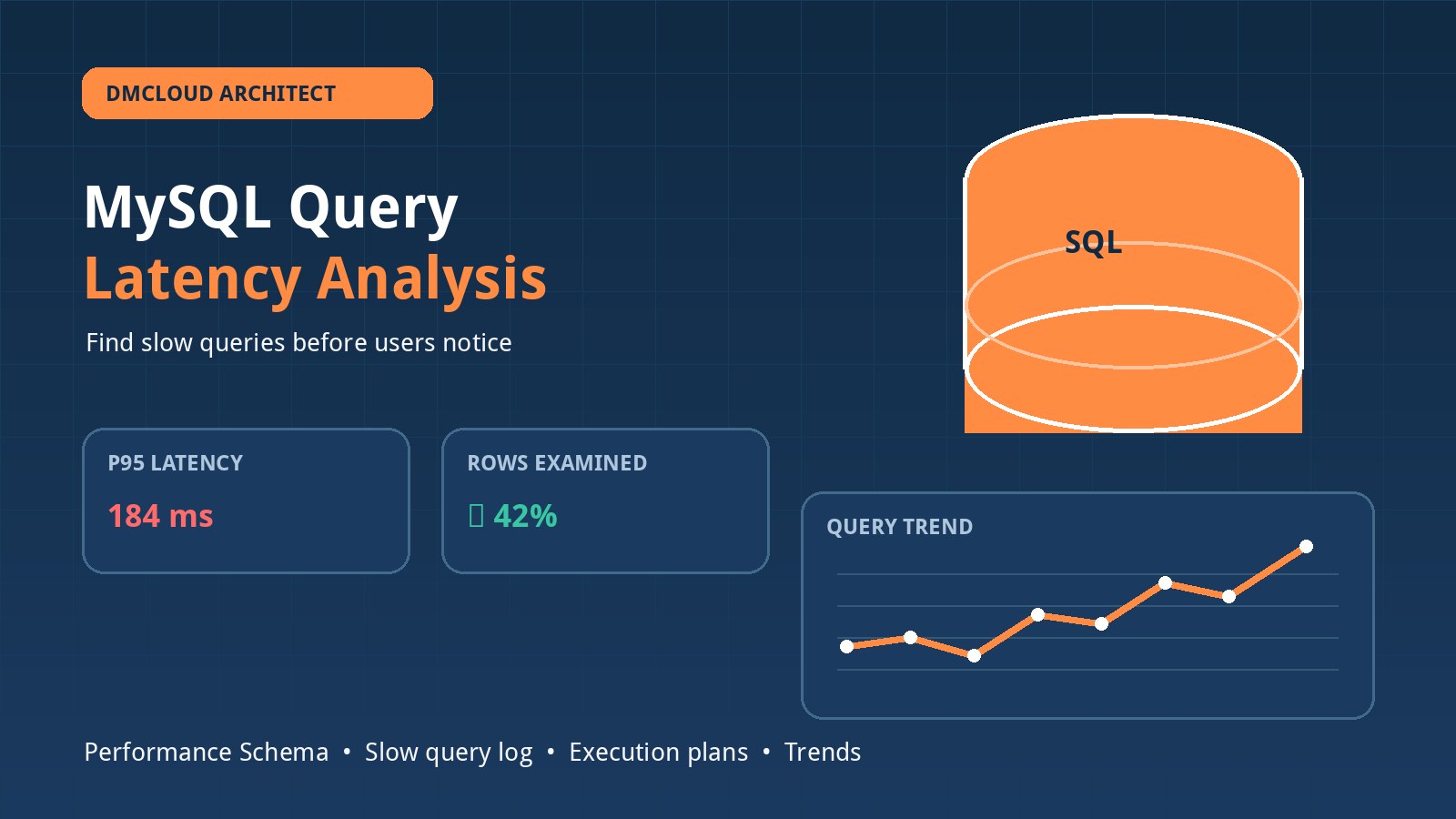
MySQL query latency analysis helps teams find the statements responsible for slow pages, delayed jobs, and uneven database performance. This guide shows how to establish a baseline, use Performance Schema and the slow query log, inspect execution plans safely, and separate query problems from lock or infrastructure pressure. It also explains how to track slow query trends so gradual degradation is visible before users complain.

Read More
MySQL Slow Query Troubleshooting Checklist for Small Business Servers

MySQL Slow Query Troubleshooting Checklist for Small Business Servers

Sep 04, 2026    Mariusz Antonik    Database    7 min read

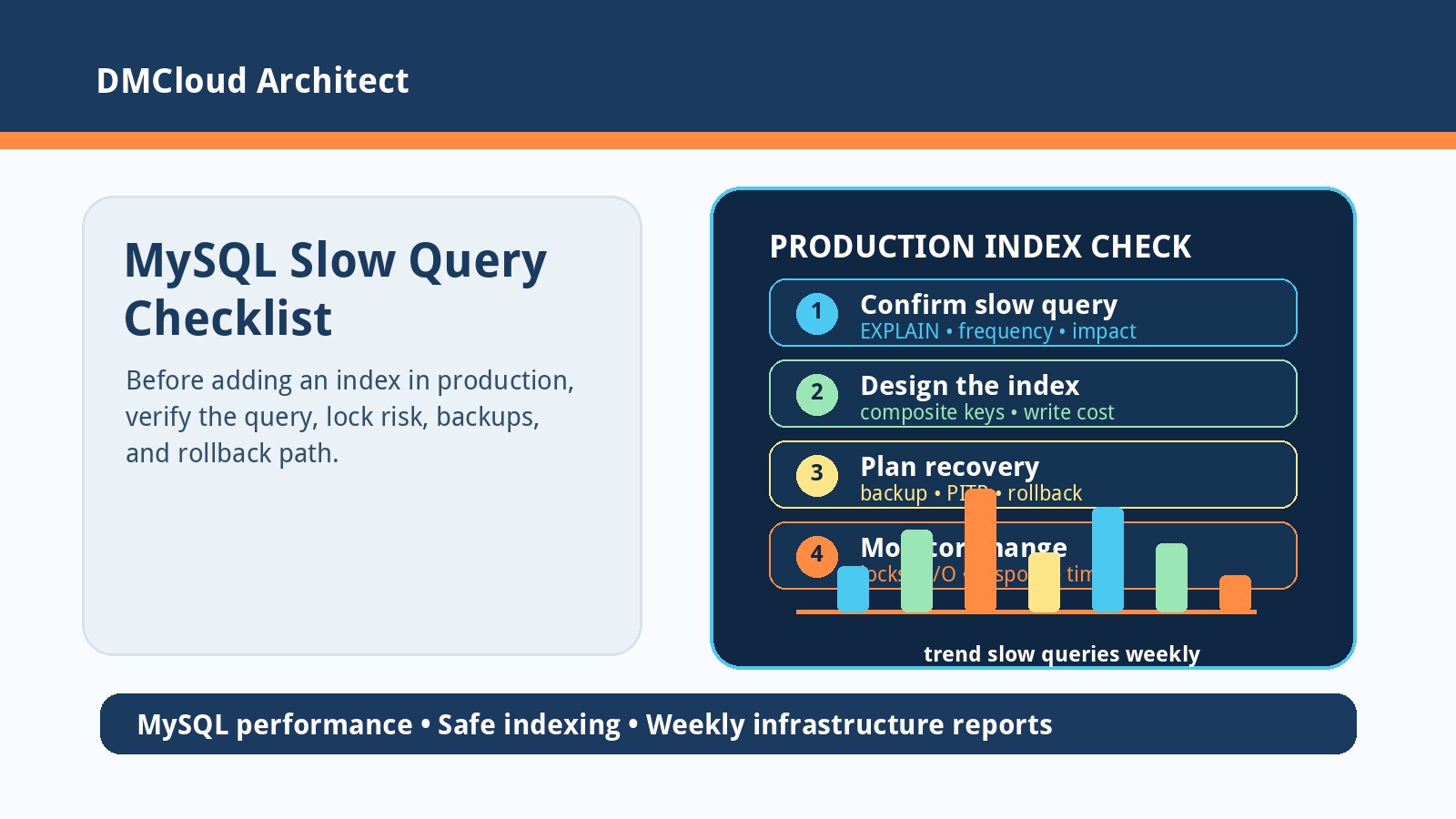
A MySQL slow query can often be improved with the right index, but production indexing should not be an improvised click in a database client. This checklist explains how to confirm the query plan, design a targeted index, test safely, understand locking, verify backups, and monitor the change. It gives developers and small business owners a practical procedure for reducing database risk without adding dashboard fatigue.

Read More
Slow Query Reporting for MySQL: A Practical Guide for Small Teams

Slow Query Reporting for MySQL: A Practical Guide for Small Teams

Aug 18, 2026    Mariusz Antonik    Database    5 min read

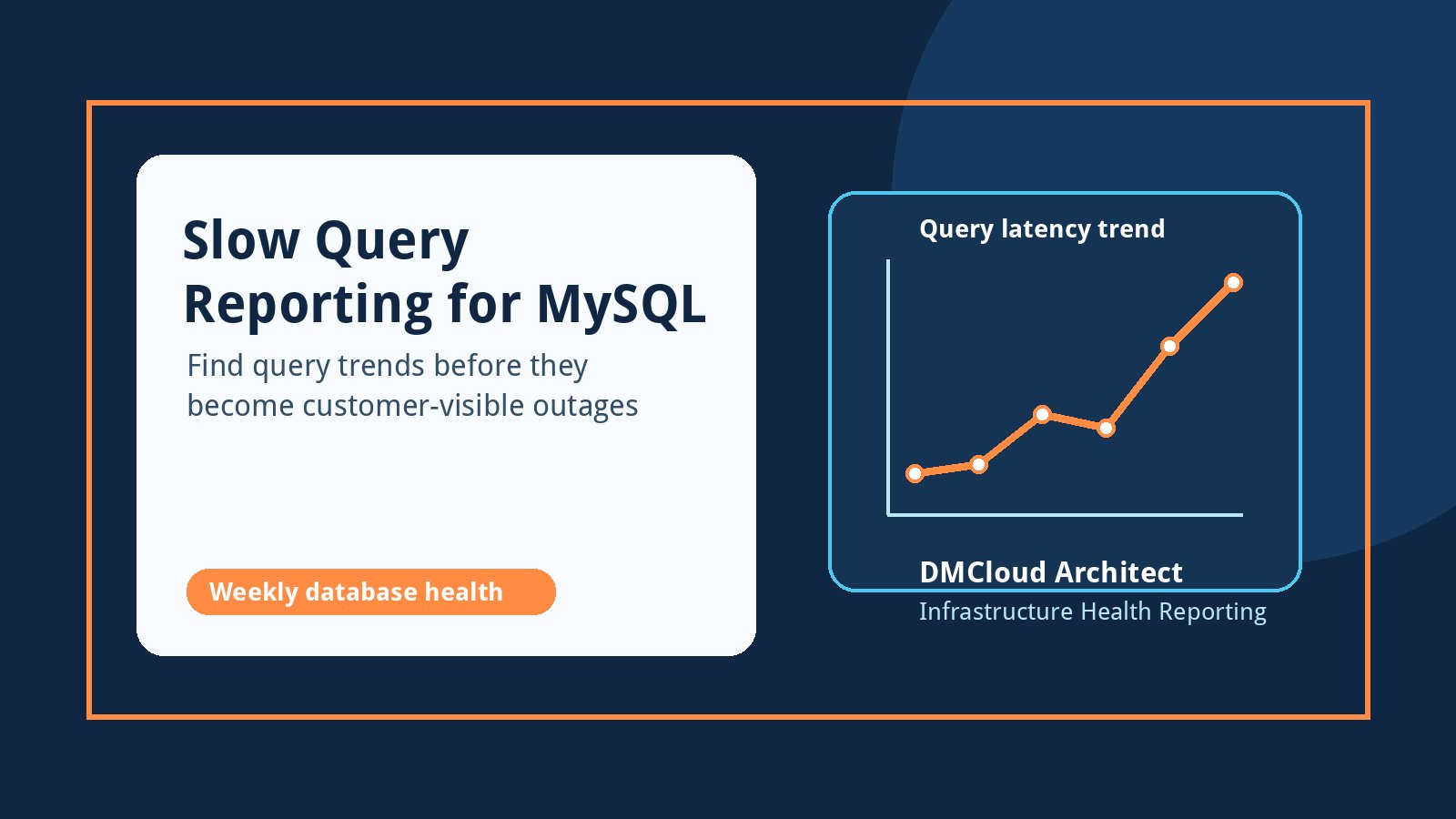
Slow query reporting for MySQL helps small teams catch database performance drift before customers feel it. A weekly report can show new slow queries, worsening trends, high-frequency pain points, and likely causes such as missing indexes or lock contention. This guide explains what to collect, how to read the results, and how to turn query data into practical maintenance work. Use it to make MySQL performance review part of a broader infrastructure health habit without adding another dashboard to watch.

Read More
How to Spot MySQL Query Trends Before Performance Slips

How to Spot MySQL Query Trends Before Performance Slips

Aug 08, 2026    Mariusz Antonik    Database    5 min read

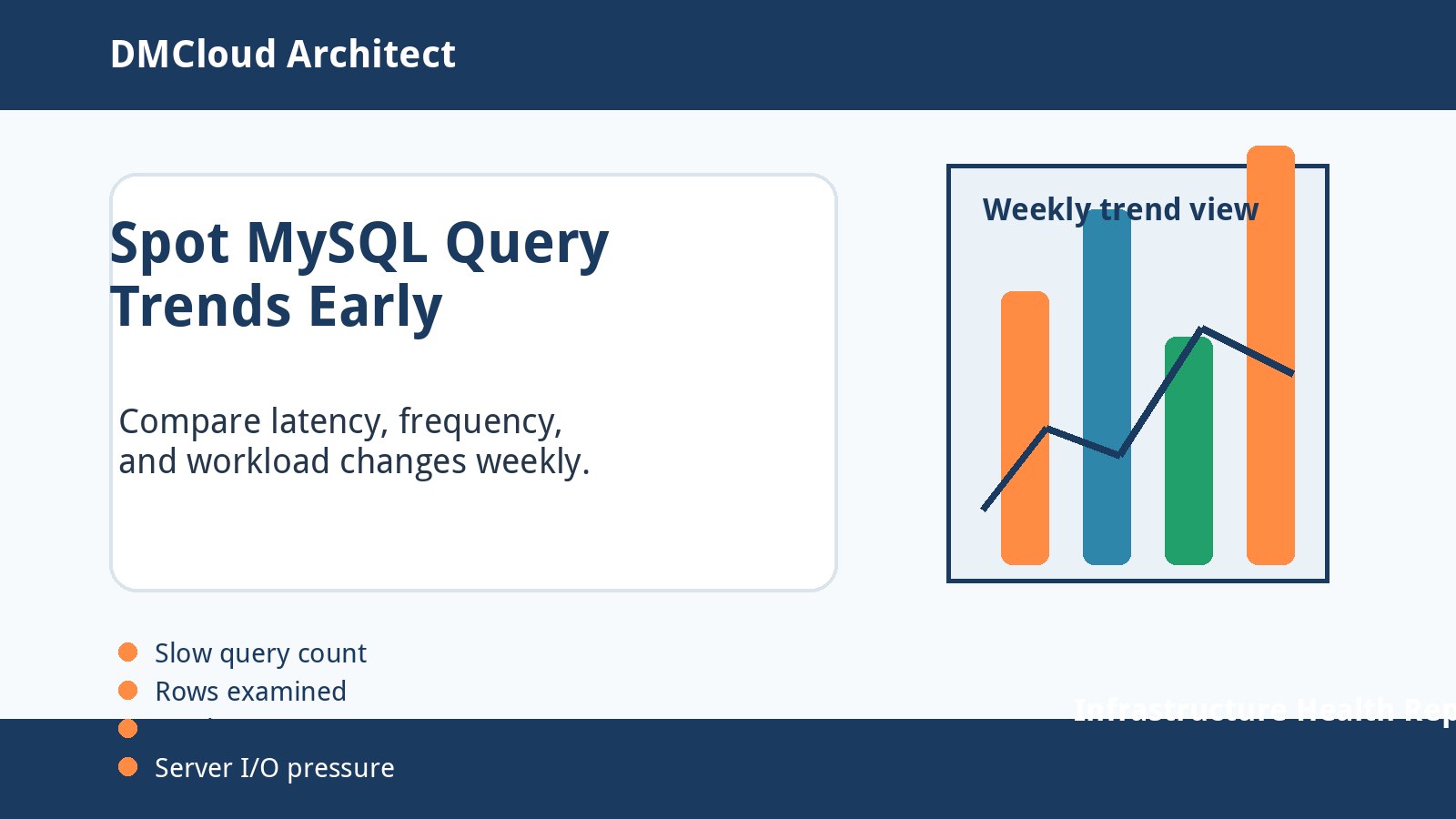
MySQL performance problems often build slowly as query mix, table size, and traffic patterns change. Tracking MySQL query trends gives developers and small business owners a practical way to notice degradation before customers feel it. This guide explains which signals to review weekly, how to separate normal growth from risk, and how to turn the findings into action.

Read More
MySQL Slow Query Trends

MySQL Slow Query Trends

Apr 23, 2026    Mariusz Antonik    Database    4 min read

Slow queries in MySQL rarely appear suddenly—they grow over time as data and usage increase. This article explains how tracking slow query trends helps you detect performance issues early instead of reacting to alerts. You’ll learn what metrics matter, how to analyze them, and how real-world systems gradually degrade. With a trend-based approach, you gain clearer visibility into database health and avoid late-stage firefighting.

Read More
MySQL Slow Performance Over Time: What’s Really Happening

MySQL Slow Performance Over Time: What’s Really Happening

Apr 21, 2026    Mariusz Antonik    Database    4 min read

MySQL performance issues rarely appear suddenly—they build over time through growing data, changing workloads, and unnoticed inefficiencies. This article explains how to identify slow performance trends before they become critical problems. Learn what metrics to track, why traditional monitoring misses early signals, and how to stay ahead of degradation. A practical guide for teams managing real-world MySQL systems.

Read More
MySQL Performance Degradation: What It Looks Like Over Time

MySQL Performance Degradation: What It Looks Like Over Time

Apr 14, 2026    Mariusz Antonik    Database    3 min read

MySQL performance degradation rarely happens suddenly—it builds slowly over time. This article explains how to identify early warning signs through trend monitoring, why traditional alerts fail, and what metrics actually matter. Learn how to detect slow performance before it impacts users. Discover practical ways to stay ahead of database issues.

Read More
MySQL Trend Monitoring for Early Performance Detection

MySQL Trend Monitoring for Early Performance Detection

Apr 11, 2026    Mariusz Antonik    Database    3 min read

MySQL performance issues rarely happen suddenly—they build gradually over time. This article explains how mysql trend monitoring helps you detect early signs of degradation before they impact users. Learn which metrics matter and how to track them effectively without complex tools. A practical guide for small teams managing real production databases.

Read More
MySQL Slow Query Analysis: Practical Guide for Performance

MySQL Slow Query Analysis: Practical Guide for Performance

Apr 11, 2026    Mariusz Antonik    Database    3 min read

MySQL slow query analysis helps teams detect performance issues before they become outages. Instead of reacting to slowdowns, you can track trends and identify patterns early. This approach gives better visibility into query behavior as data grows. Learn how to use slow query analysis for proactive database performance management.

Read More