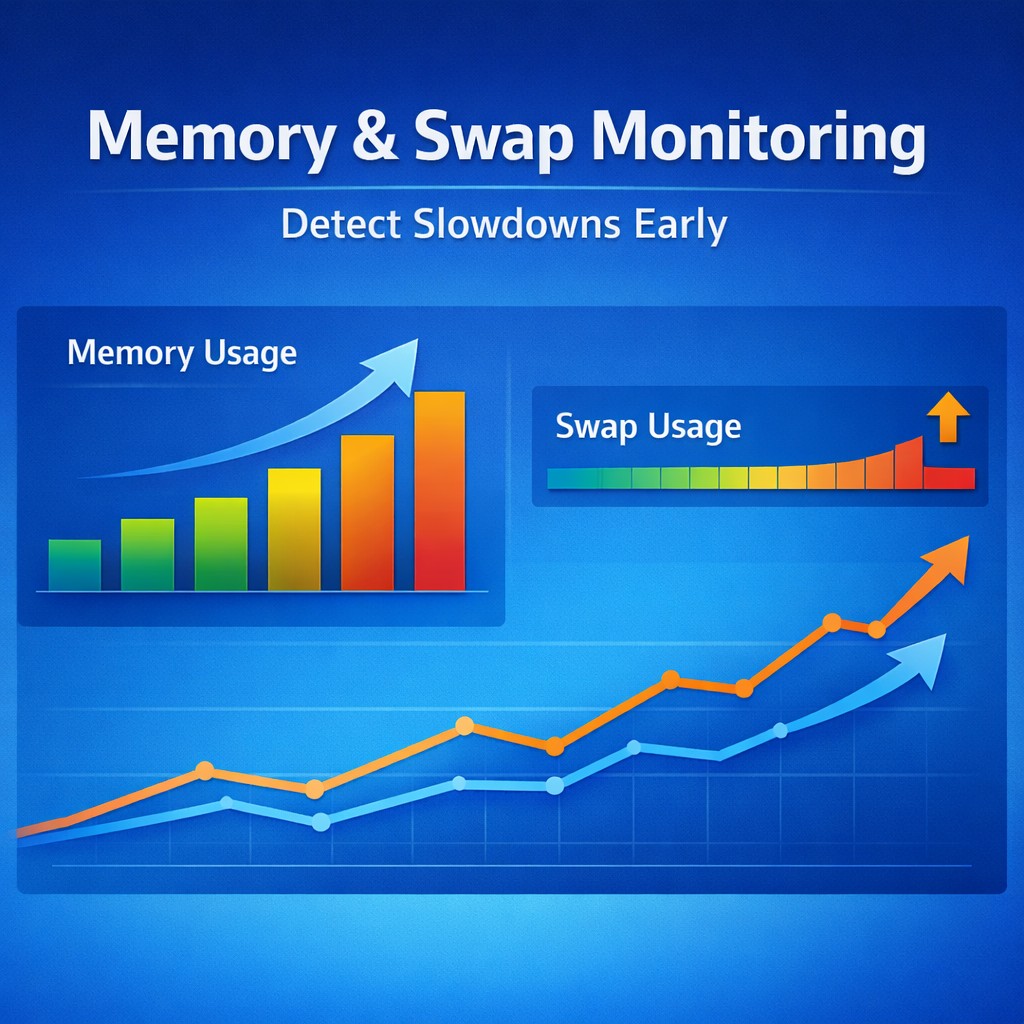
Memory & Swap Monitoring: Detect Slowdowns Before Your Linux Server Struggles
Memory and swap issues don’t fail suddenly—they degrade performance over time. Learn how to detect early signs using trend-based monitoring.
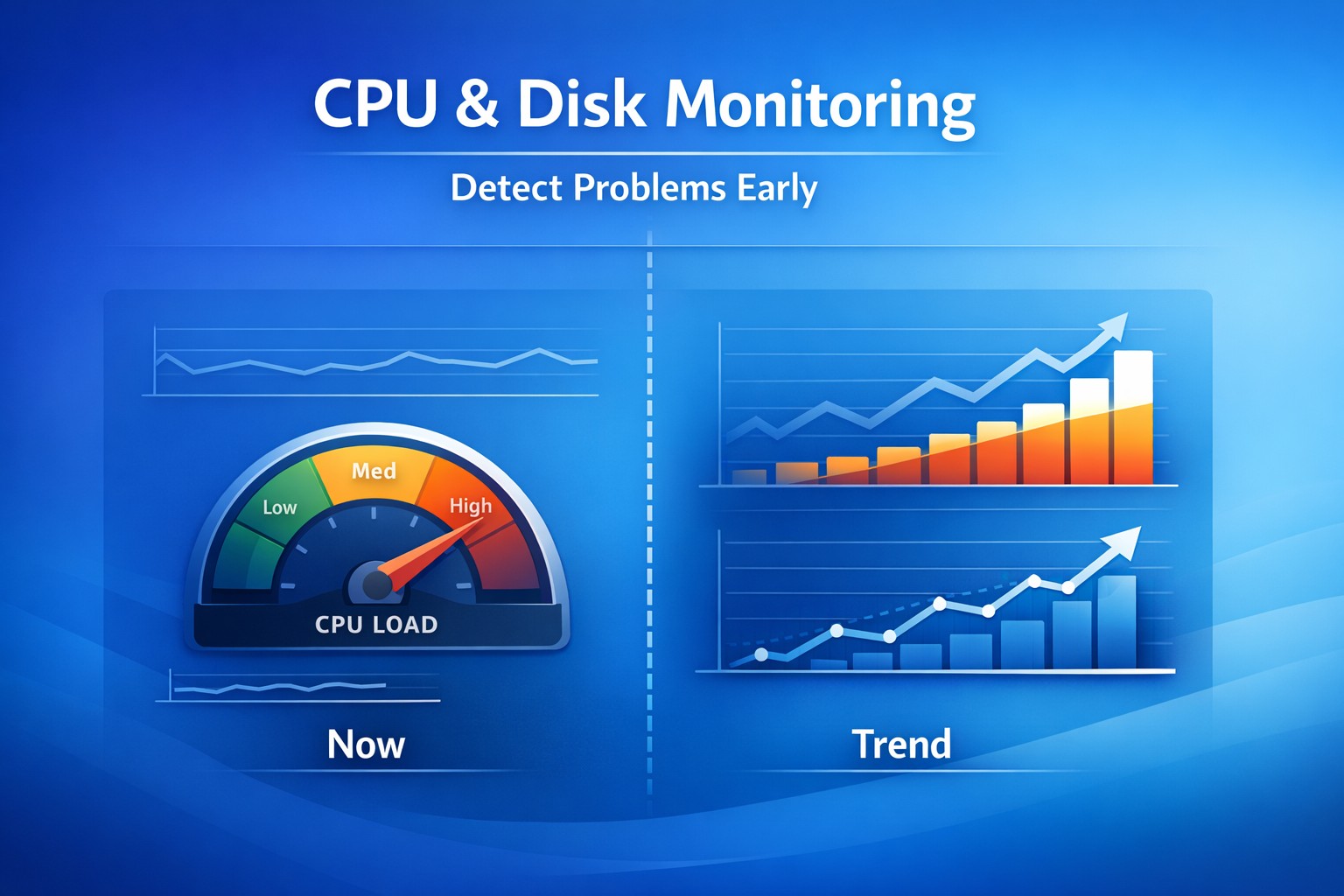
Learn how tracking CPU and disk trends helps detect issues early in small Linux servers before outages happen.
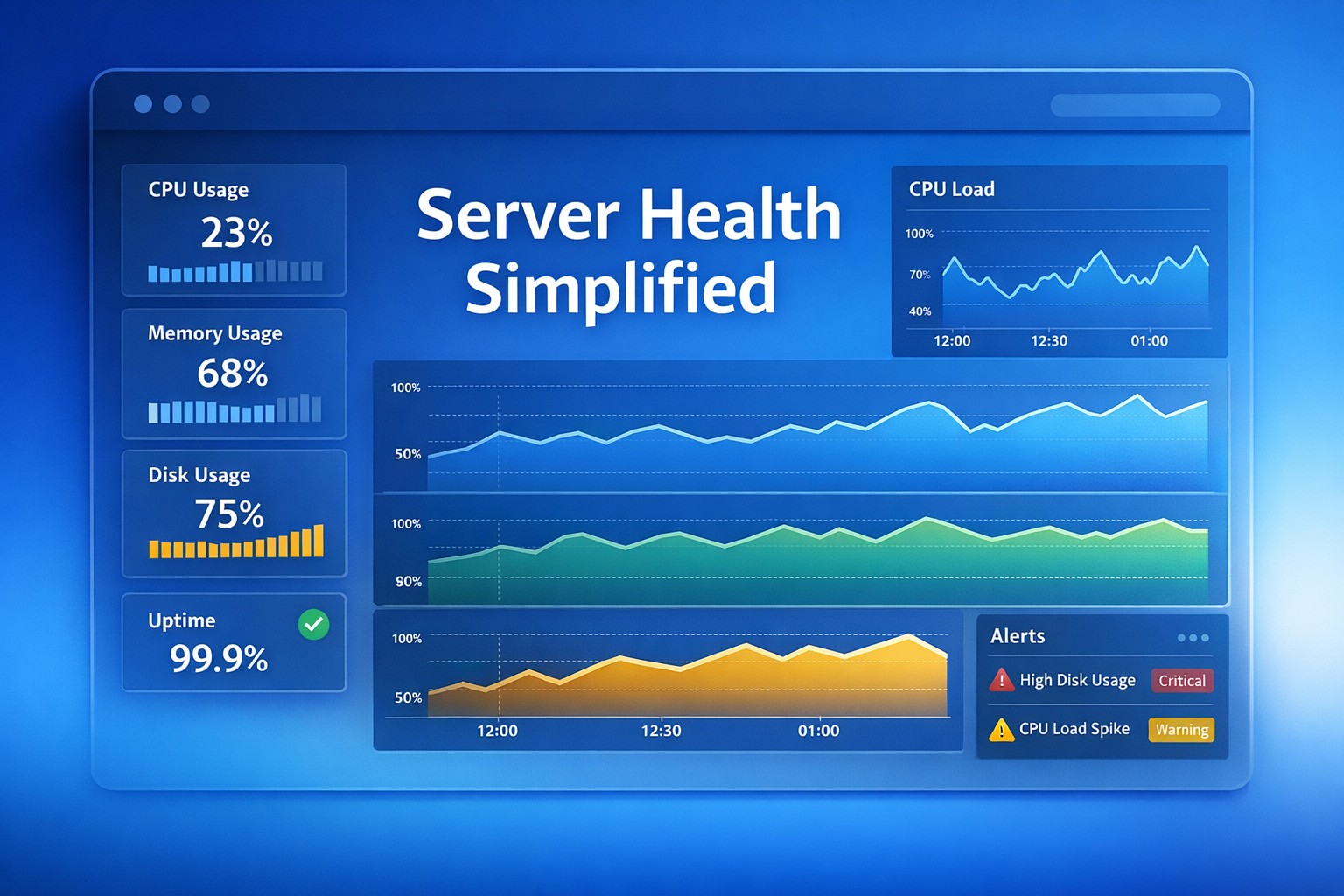
Simple and practical server health monitoring approach for small teams to prevent downtime and improve reliability.
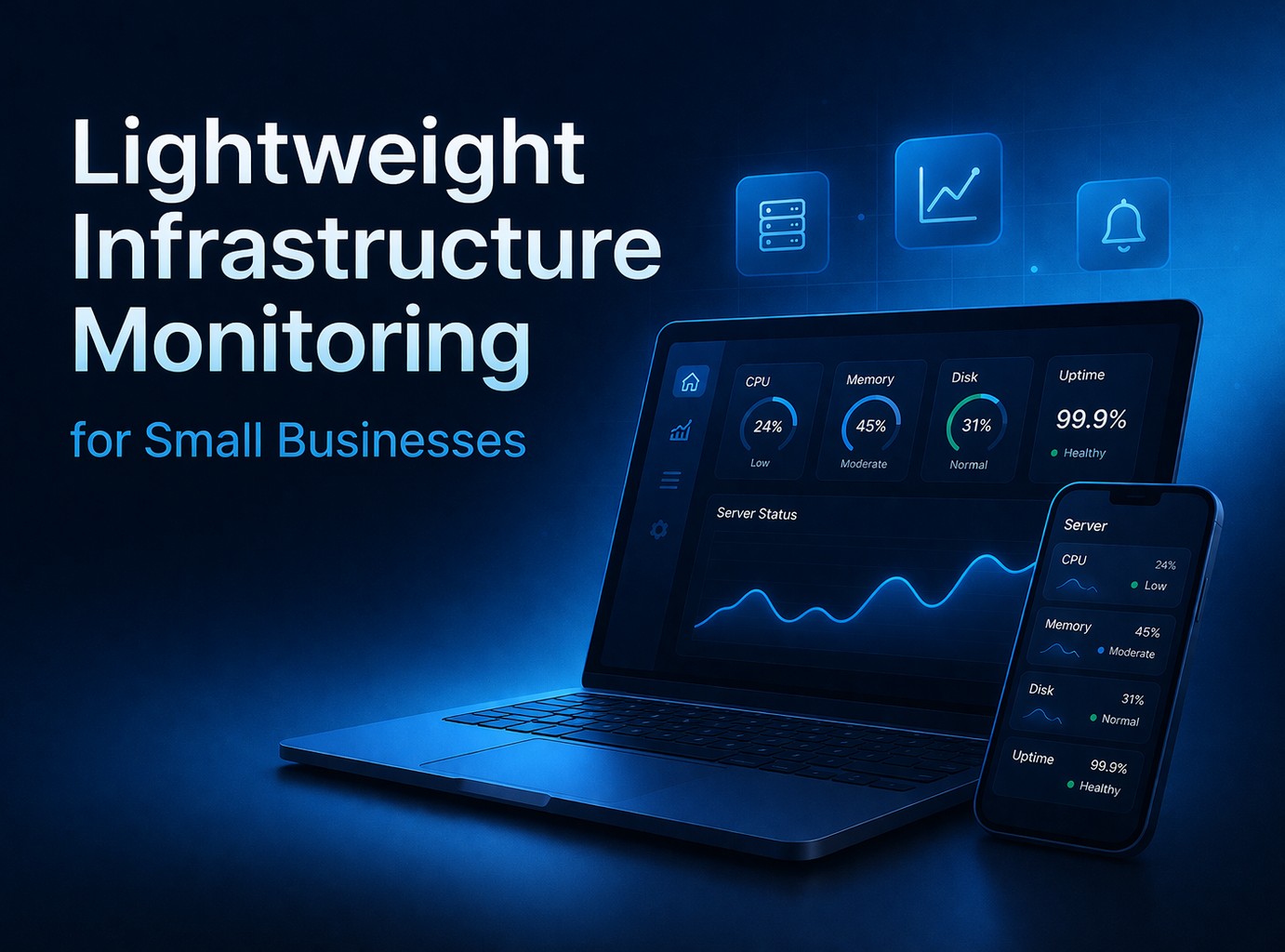
Learn how to implement lightweight infrastructure monitoring for small teams without complex tools.
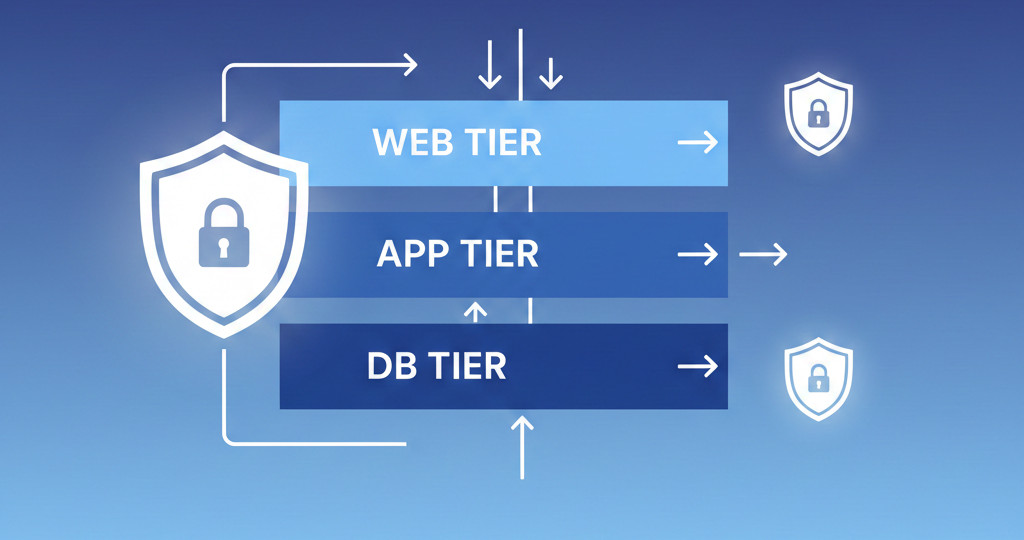
In this guide, we'll design and build a classic three-tier architecture in OCI—web, application, and database layers. This is the setup used by nearly every enterprise workload because it provides scalability, separation of concerns, and strong security boundaries.
Read More
In this guide, I’ll show you how to secure your Oracle Cloud network with the same approach I use in production customer environments. OCI offers enterprise-grade networking features—if configured properly. Security starts with the network. And in OCI, that means controlling access with VCNs, subnets, security lists, NSGs, IAM, gateways, and monitoring.
Read More
When your apps slow down or behave unexpectedly, you need visibility. OCI’s Observability and Management platform centralizes metrics, logs, and alerts to help you stay ahead of performance issues.
Read More
Manual setup is fine for a single instance — but when you’re managing multiple networks, compute nodes, and databases, automation becomes essential. OCI provides powerful tools like the Command Line Interface (CLI) and Terraform to simplify and replicate deployments. OCI CLI – Your Command-Line Control Center The OCI CLI lets you interact with your environment using scripts or terminal commands.
Read More
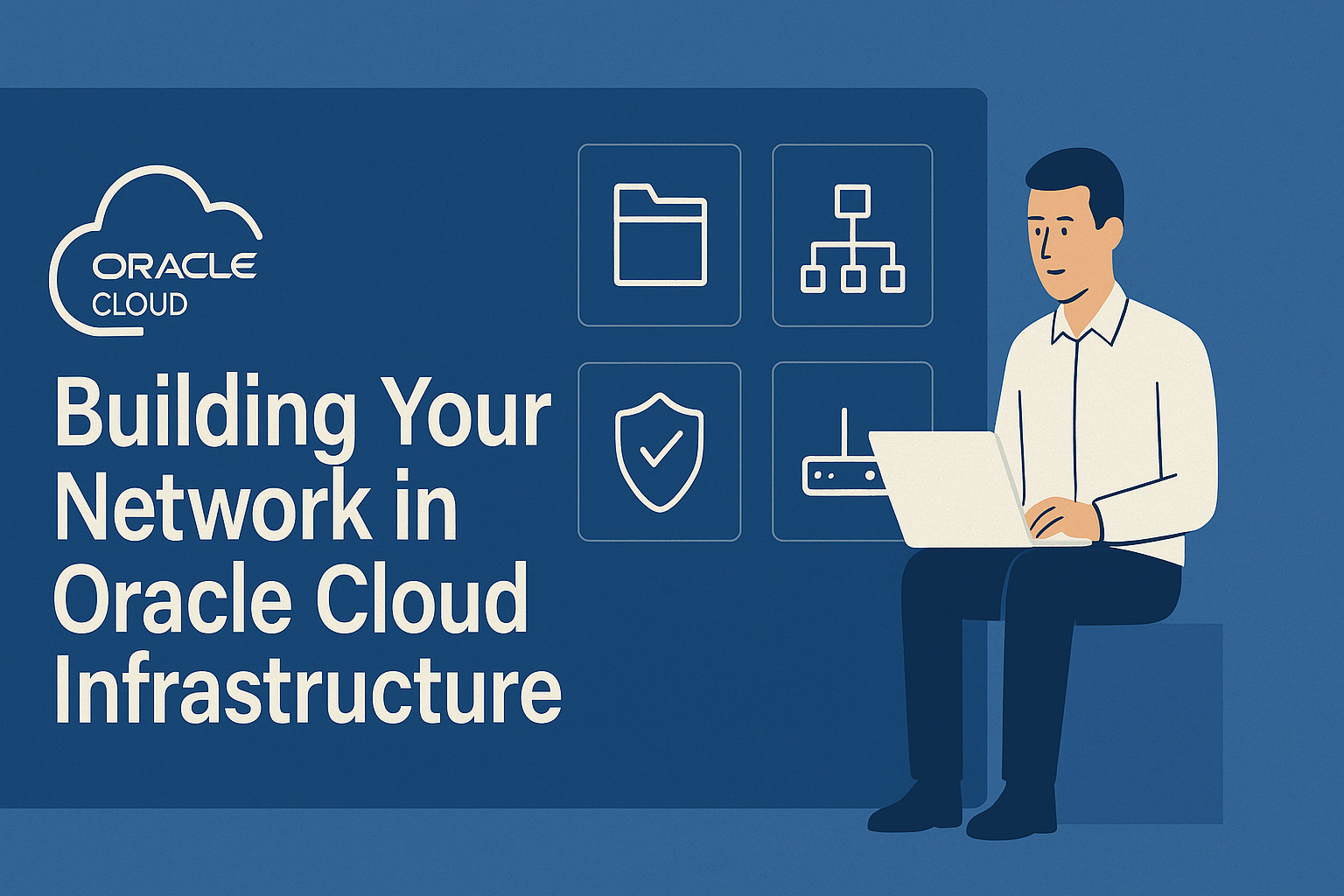
Every reliable cloud deployment starts with a solid network foundation. In OCI, that foundation is the Virtual Cloud Network (VCN)—a private, software-defined network for your compute, databases, and services. This guide explains compartments, public vs private subnets, and a practical setup flow.
Read More