Blog - Tag: Linux monitoring

Infrastructure Health vs Monitoring: Why Trends Matter More Than Alerts

Infrastructure Health vs Monitoring: Why Trends Matter More Than Alerts

Apr 24, 2026    Mariusz Antonik    General    4 min read

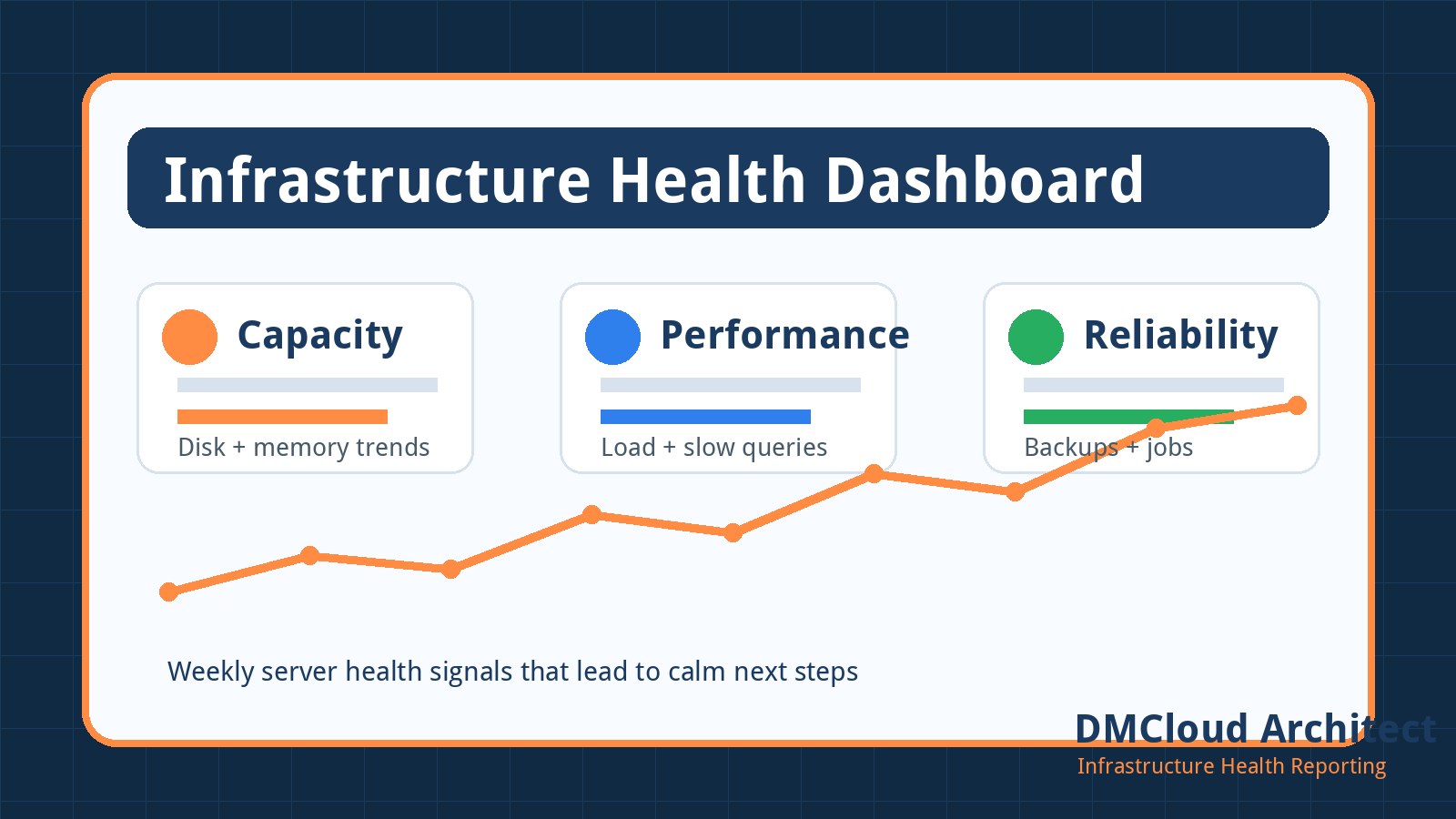
Most monitoring systems alert you only after something breaks. This article explains why infrastructure health reporting—focused on long-term trends—gives you earlier, more actionable insights. You’ll see how small issues grow over time and how to catch them before they turn into outages. If you manage servers or databases, this approach can simplify your stack and improve reliability.

Read More
How to Track CPU Trend Monitoring on Linux Servers

How to Track CPU Trend Monitoring on Linux Servers

Apr 19, 2026    Mariusz Antonik    Server Health    6 min read

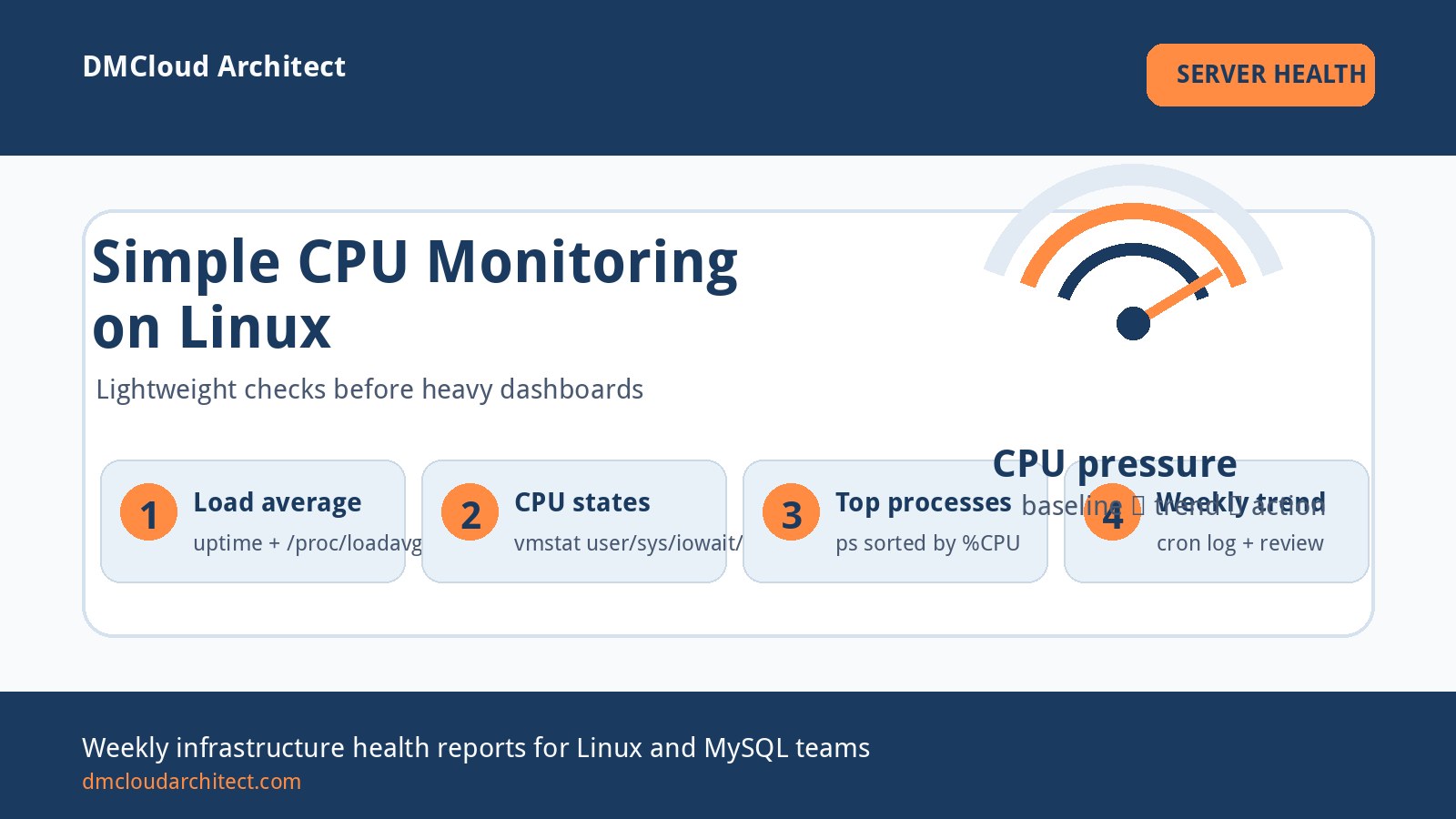
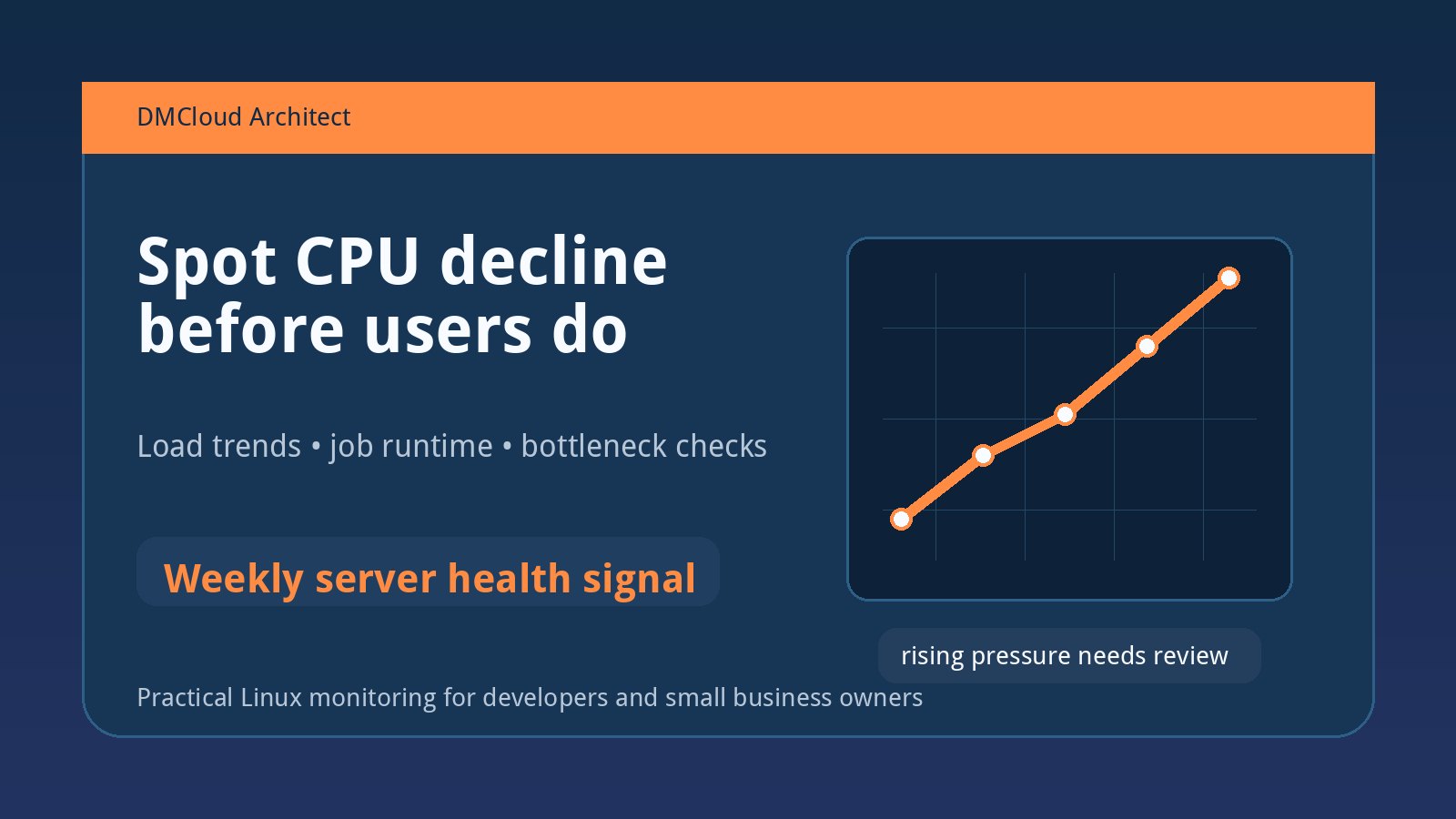
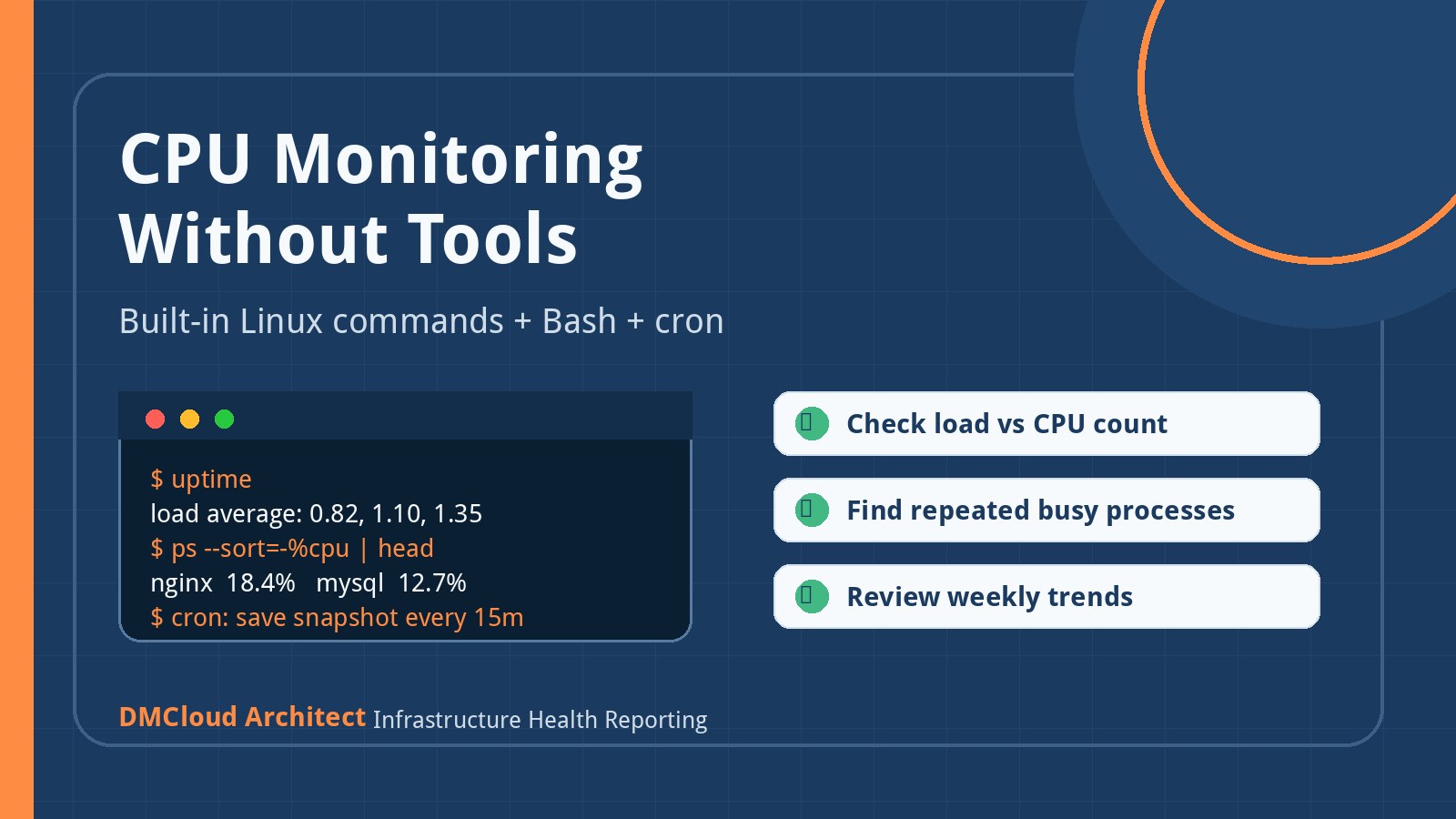
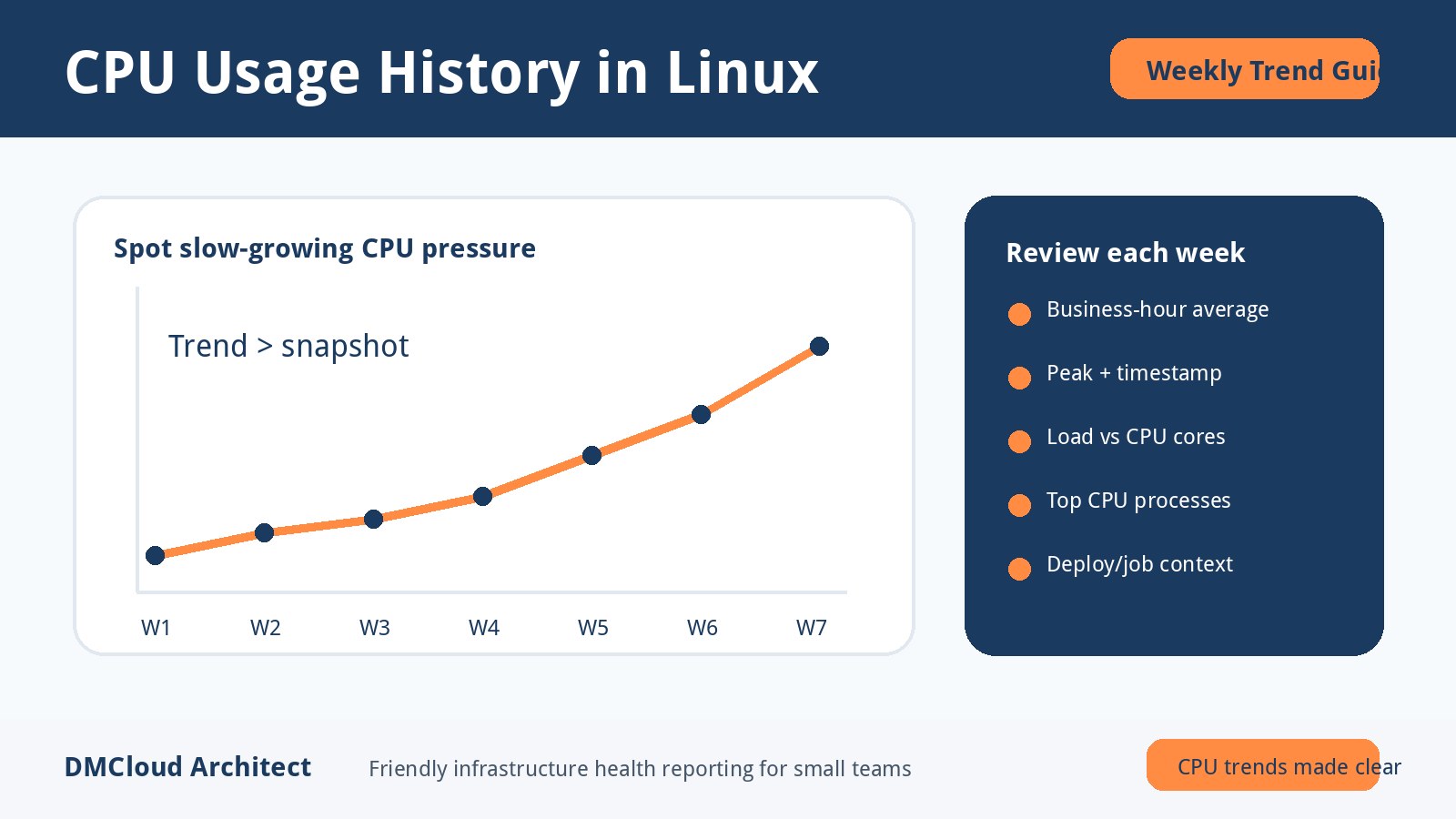
Most monitoring tools tell you when something is already broken, but cpu trend monitoring on Linux is about spotting problems before that moment arrives. By tracking CPU usage history over days and weeks, small infrastructure teams can identify rising load patterns, unexpected overnight spikes, and gradual utilization growth that would never trigger a real-time alert. This guide walks through practical tools including sar, vmstat, and Prometheus to capture and review CPU utilization trends on Linux servers. You will come away with a straightforward approach to weekly health reviews that replaces reactive firefighting with informed capacity planning.

Read More
Disk Full Warning on Linux: Catch It Before It Causes Issues

Disk Full Warning on Linux: Catch It Before It Causes Issues

Apr 19, 2026    Mariusz Antonik    Server Health    6 min read

A disk full warning on Linux is easy to ignore until the moment it is not. When a filesystem fills up unexpectedly, it can bring down databases, stop log rotation, and cause application failures that take hours to trace. Understanding how to detect storage issues early, before they tip into real outages, is one of the most practical habits a Linux administrator can build. This guide walks through the common signs, the tools, and the steps to stay ahead of disk saturation on your servers.

Read More
How to Build a Bash Script for Disk Monitoring on Linux

How to Build a Bash Script for Disk Monitoring on Linux

Apr 19, 2026    Mariusz Antonik    Server Health    4 min read

Disk space problems tend to build slowly, and by the time a threshold alert fires, the damage is often already done. A bash script for disk monitoring gives you a lightweight, automatic way to check disk usage across your Linux servers on a regular schedule. This guide covers building a working script from scratch, scheduling it with cron, checking inode usage, and making the log output useful over time.

Read More
How to Track Disk Space Usage Over Time on a Linux Server

How to Track Disk Space Usage Over Time on a Linux Server

Apr 19, 2026    Mariusz Antonik    Server Health    6 min read

Disk space rarely disappears all at once. On most servers, it fills gradually — a growing log directory here, an expanding database there — until one day the disk is full and something breaks. Tracking disk space usage over time on your Linux server gives you the context to understand how fast your storage is actually growing. With that visibility, you can act weeks ahead of a problem instead of scrambling when a service goes down.

Read More
How to Track Disk Space Usage Over Time on a Linux Server

How to Track Disk Space Usage Over Time on a Linux Server

Apr 18, 2026    Mariusz Antonik    Server Health    6 min read

Disk space rarely disappears all at once. On most servers, it fills gradually — a growing log directory here, an expanding database there — until one day the disk is full and something breaks. Tracking disk space usage over time on your Linux server gives you the context to understand how fast your storage is actually growing. With that visibility, you can act weeks ahead of a problem instead of scrambling when a service goes down.

Read More
Linux Storage Capacity Planning: Practical Guide for Admins

Linux Storage Capacity Planning: Practical Guide for Admins

Apr 18, 2026    Mariusz Antonik    Server Health    6 min read

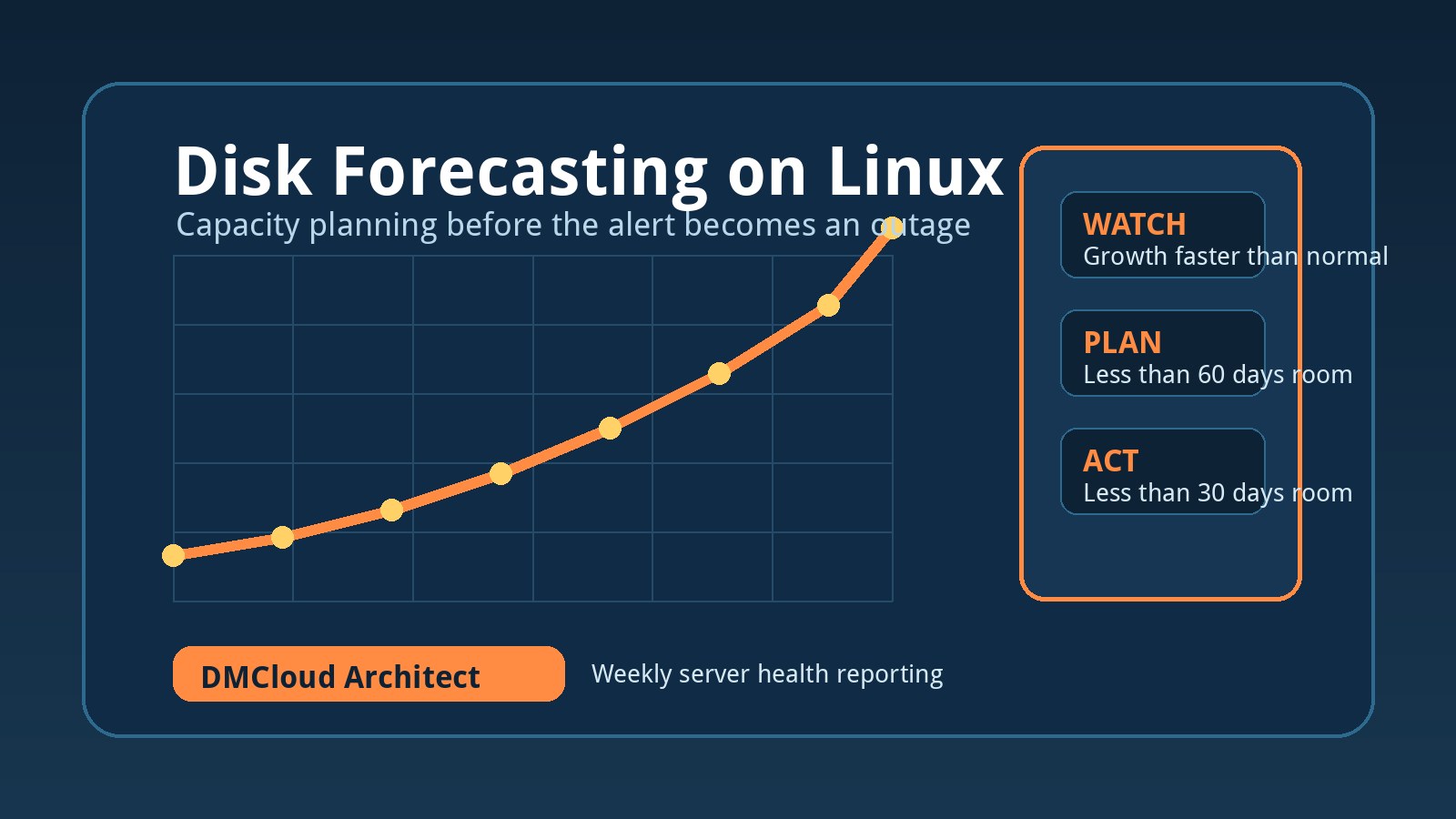
Running out of disk space on a Linux server rarely happens in an instant. It builds up gradually, often over weeks or months, until something breaks and the alert fires. Knowing how to plan storage capacity means you can see that growth coming and act before it becomes an incident. This guide walks through practical methods for tracking disk usage trends, forecasting future needs, and building a simple capacity planning habit for small infrastructure teams.

Read More

Practical Server Monitoring for Small Infrastructure Teams

Apr 17, 2026    Mariusz Antonik    Infrastructure Monitoring    6 min read

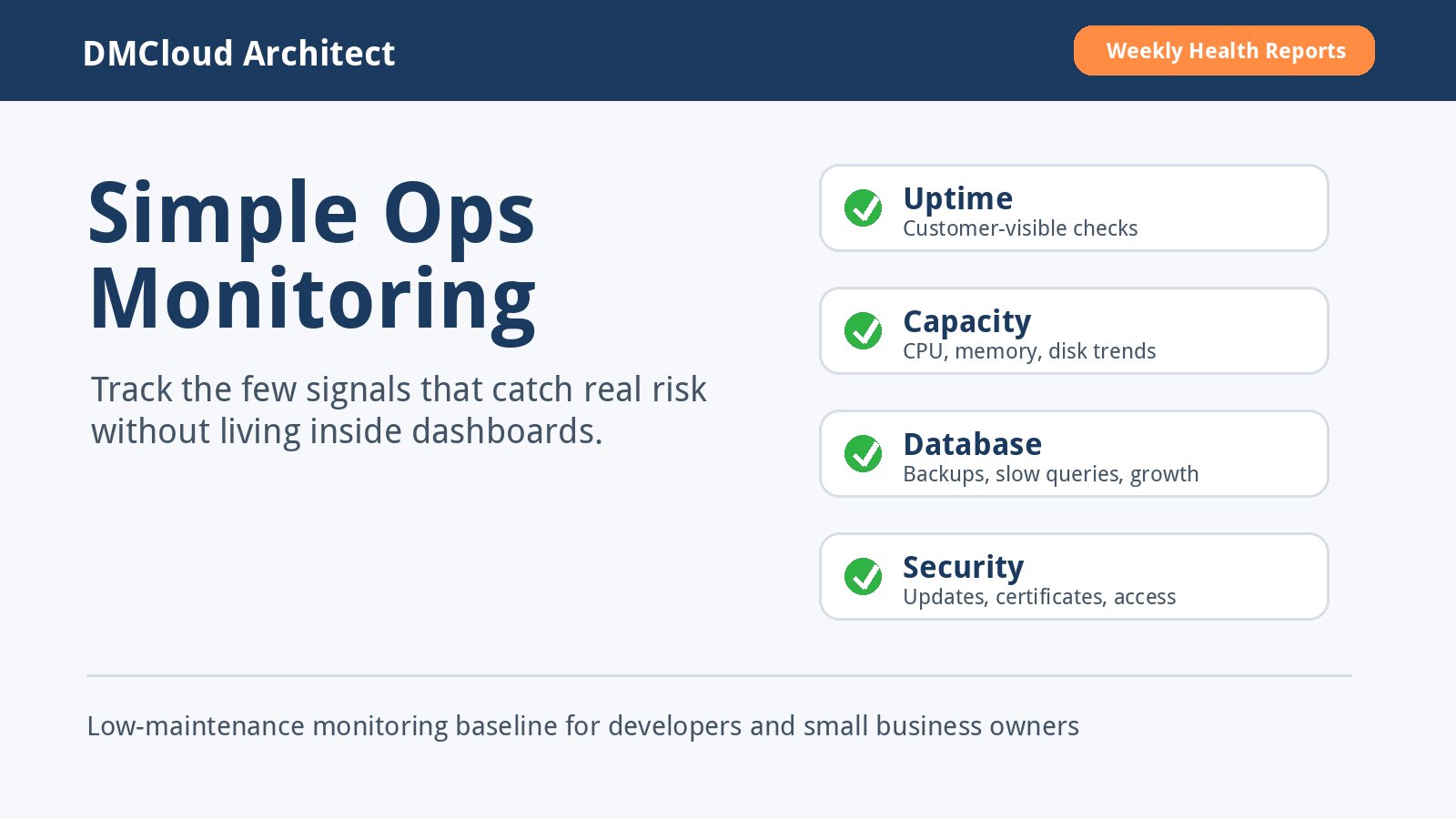
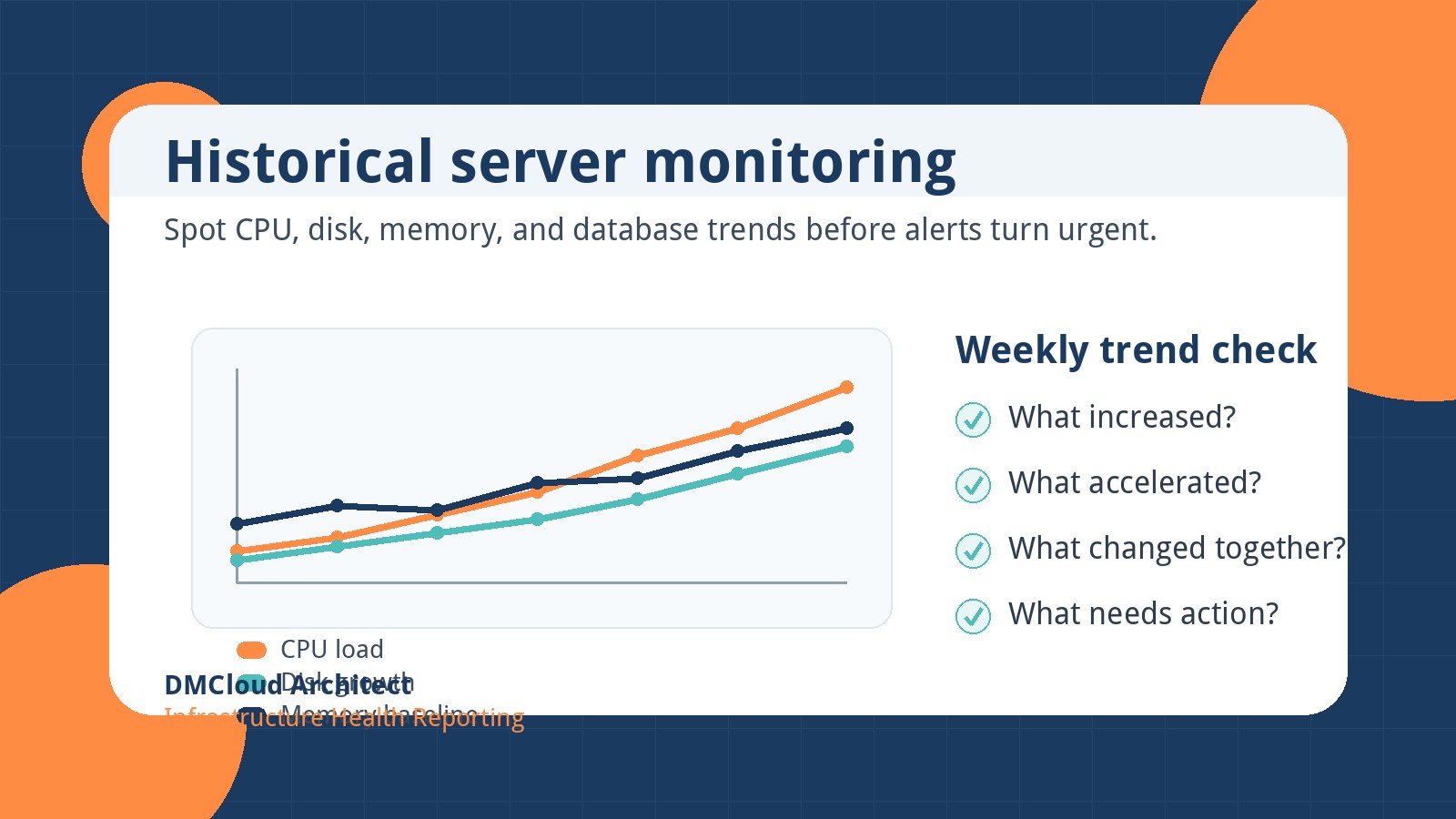
Practical server monitoring does not mean tracking every metric. It means tracking the right ones and reviewing them consistently. For small infrastructure teams managing a handful of servers, the goal is not more alerts but better visibility into how your systems trend over time. This guide covers what to monitor, how to build a review routine that works, and how to spot problems like filling disks or growing slow query counts before they become outages.

Read More

Linux Monitoring Without Grafana: Simpler Alternatives

Apr 17, 2026    Mariusz Antonik    Infrastructure Monitoring    5 min read

Grafana is a powerful monitoring tool, but for small Linux environments it often brings more complexity than the team can justify. There are solid lightweight alternatives — tools like Netdata, Glances, and Munin — that give you real operational visibility without standing up a full observability stack. Even a simple scheduled shell script delivering a daily health summary can outperform an ignored Grafana dashboard. This guide walks through the practical options for Linux monitoring without Grafana, with guidance on which approach fits your environment size.

Read More
Linux Monitoring Without Prometheus

Linux Monitoring Without Prometheus

Apr 12, 2026    Mariusz Antonik    Infrastructure Monitoring    4 min read

Not every Linux environment needs a full Prometheus stack. This article explains how to build a lightweight monitoring setup using native tools, scripts, and simple alerts. Learn how to track essential metrics without adding unnecessary complexity. A practical approach for small teams and OCI deployments.

Read More