Blog

Detect Storage Issues Early in Linux Systems

Detect Storage Issues Early in Linux Systems

May 05, 2026    Mariusz Antonik    Server Health    4 min read

Storage issues in Linux rarely happen instantly—they build over time. This article explains how to detect early warning signs like disk growth, I/O wait, and log accumulation before they cause outages. Learn practical commands and strategies to identify disk problems early. Prevent failures by focusing on trends instead of alerts.

Read More
How to Detect Slow Infrastructure Issues Before They Become Outages

How to Detect Slow Infrastructure Issues Before They Become Outages

May 02, 2026    Mariusz Antonik    General    4 min read

Most infrastructure problems don’t start as outages—they grow slowly over time. This article explains how to detect early warning signs like CPU creep, disk growth, and query slowdown before they become critical. You’ll learn practical ways to shift from reactive alerts to proactive visibility. Ideal for teams tired of firefighting and looking for real control over system health.

Read More
Disk Growth Trend Linux: How to Track and Prevent Disk Issues Early

Disk Growth Trend Linux: How to Track and Prevent Disk Issues Early

May 01, 2026    Mariusz Antonik    Server Health    4 min read

Disk space issues rarely happen suddenly—they build up over time. This article explains how to track disk growth trends in Linux and why it matters for preventing outages. You’ll learn simple ways to monitor disk usage over time and identify hidden growth patterns. Practical examples show how small trends can lead to major problems if ignored.

Read More
Track CPU Utilization on Linux Server (Simple & Practical Guide)

Track CPU Utilization on Linux Server (Simple & Practical Guide)

Apr 30, 2026    Mariusz Antonik    Server Health    5 min read

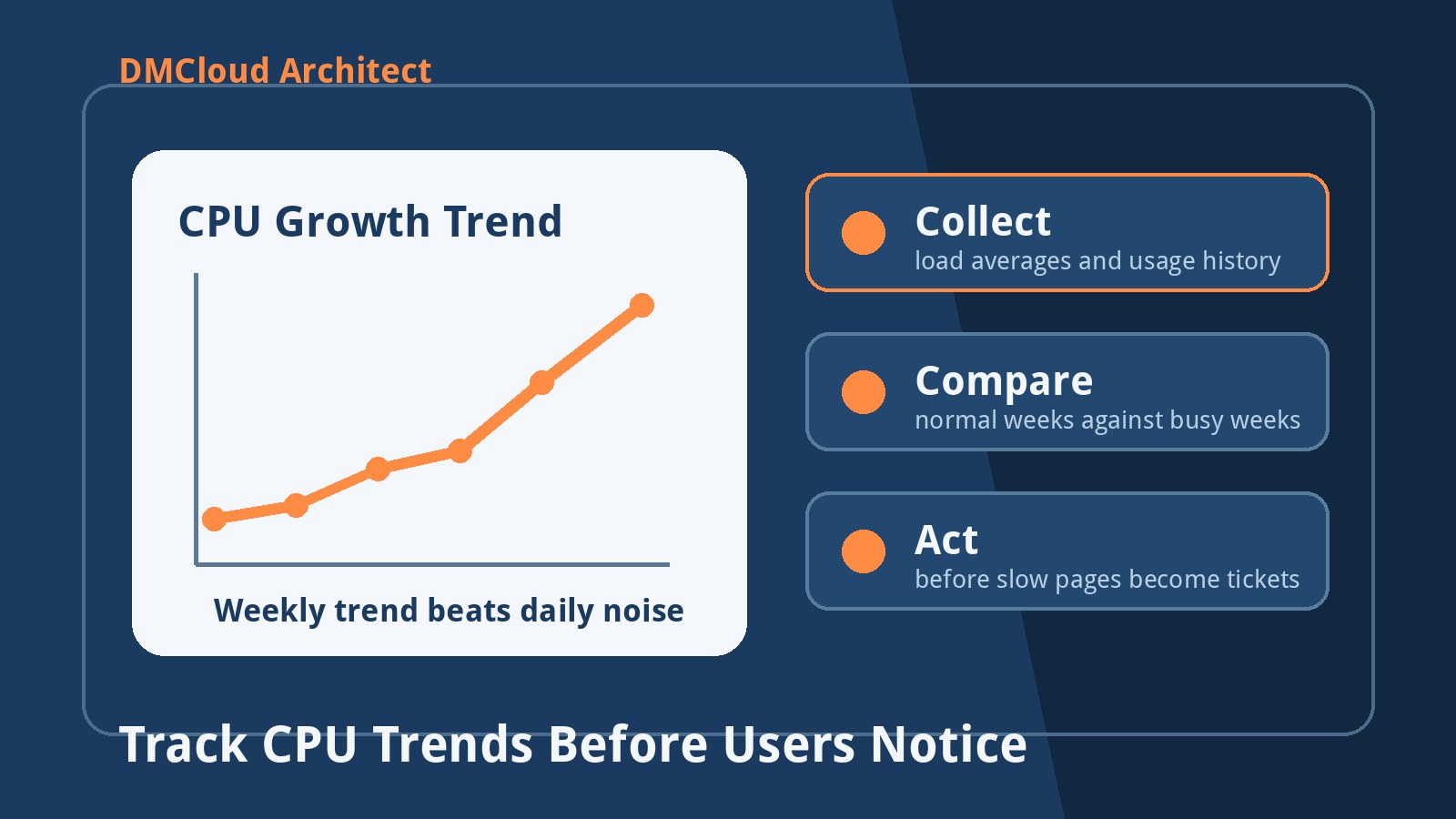
Tracking CPU utilization on a Linux server is essential for spotting performance issues before they escalate. This guide explains how to monitor CPU usage over time using simple tools and techniques. Learn how to identify trends, understand growth patterns, and make smarter infrastructure decisions without complex monitoring stacks.

Read More

Infrastructure Trends vs Alerts: How to Prevent Server Outages Early

Apr 27, 2026    Mariusz Antonik    General    4 min read

Alerts tell you when something is already wrong, but they rarely explain how it got there. This article explores why infrastructure trends provide earlier and more actionable insights than real-time alerts. You’ll see how gradual changes in CPU, disk, and performance lead to outages—and how to catch them early. For teams managing servers without complex monitoring tools, this approach offers a simpler, more proactive way to maintain stability.

Read More
Simple Monitoring for Small Business Infrastructure

Simple Monitoring for Small Business Infrastructure

Apr 26, 2026    Mariusz Antonik    Infrastructure Monitoring    3 min read

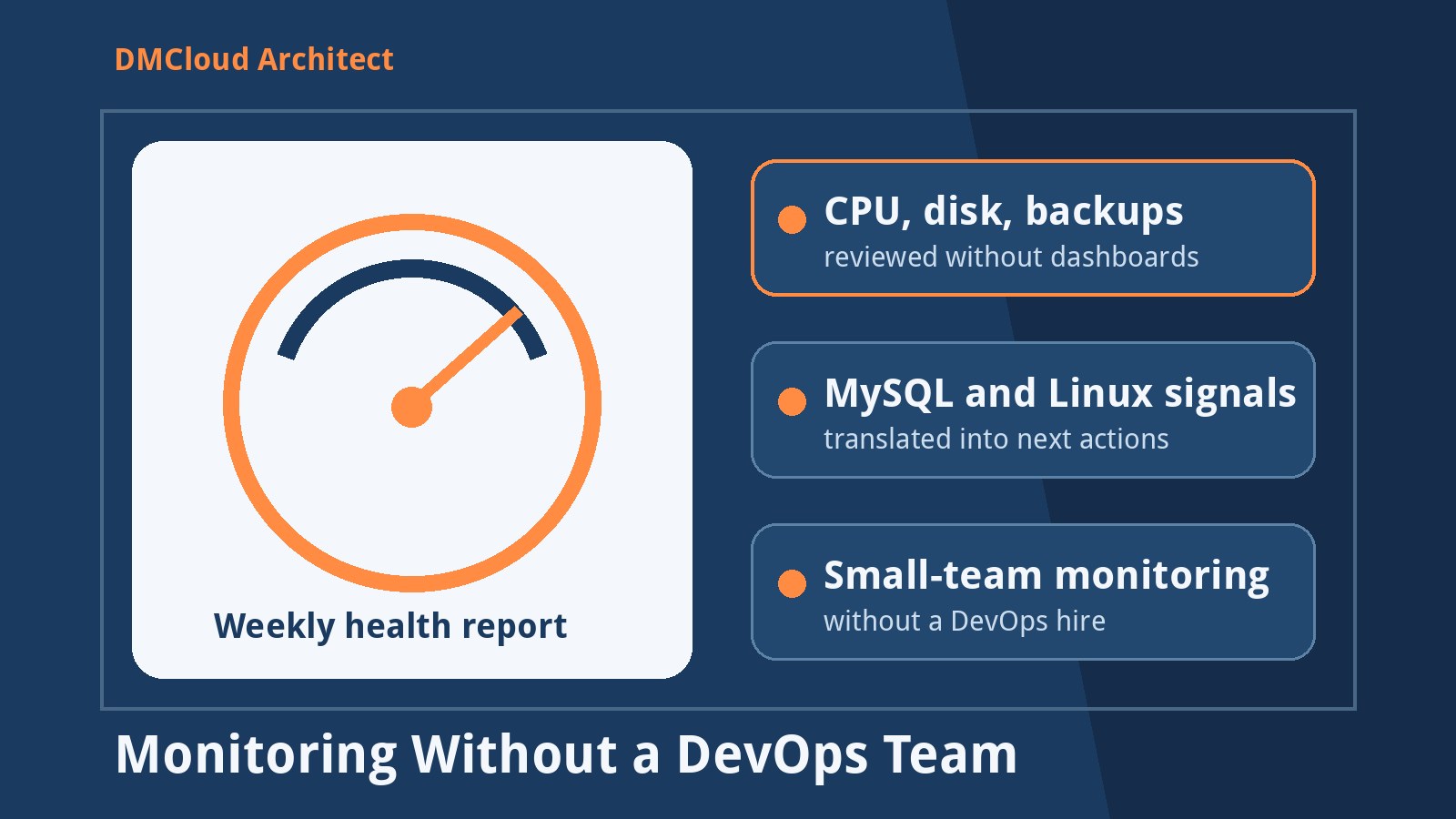
Small businesses often run critical systems without dedicated monitoring, which leads to reactive problem handling. This article explains how to implement simple, effective monitoring without adding unnecessary complexity. It focuses on practical metrics, lightweight tools, and real-world setup examples. Ideal for teams that need reliable visibility without a full DevOps stack.

Read More
Lightweight Linux Monitoring That Actually Works

Lightweight Linux Monitoring That Actually Works

Apr 26, 2026    Mariusz Antonik    Linux Server Monitoring    4 min read

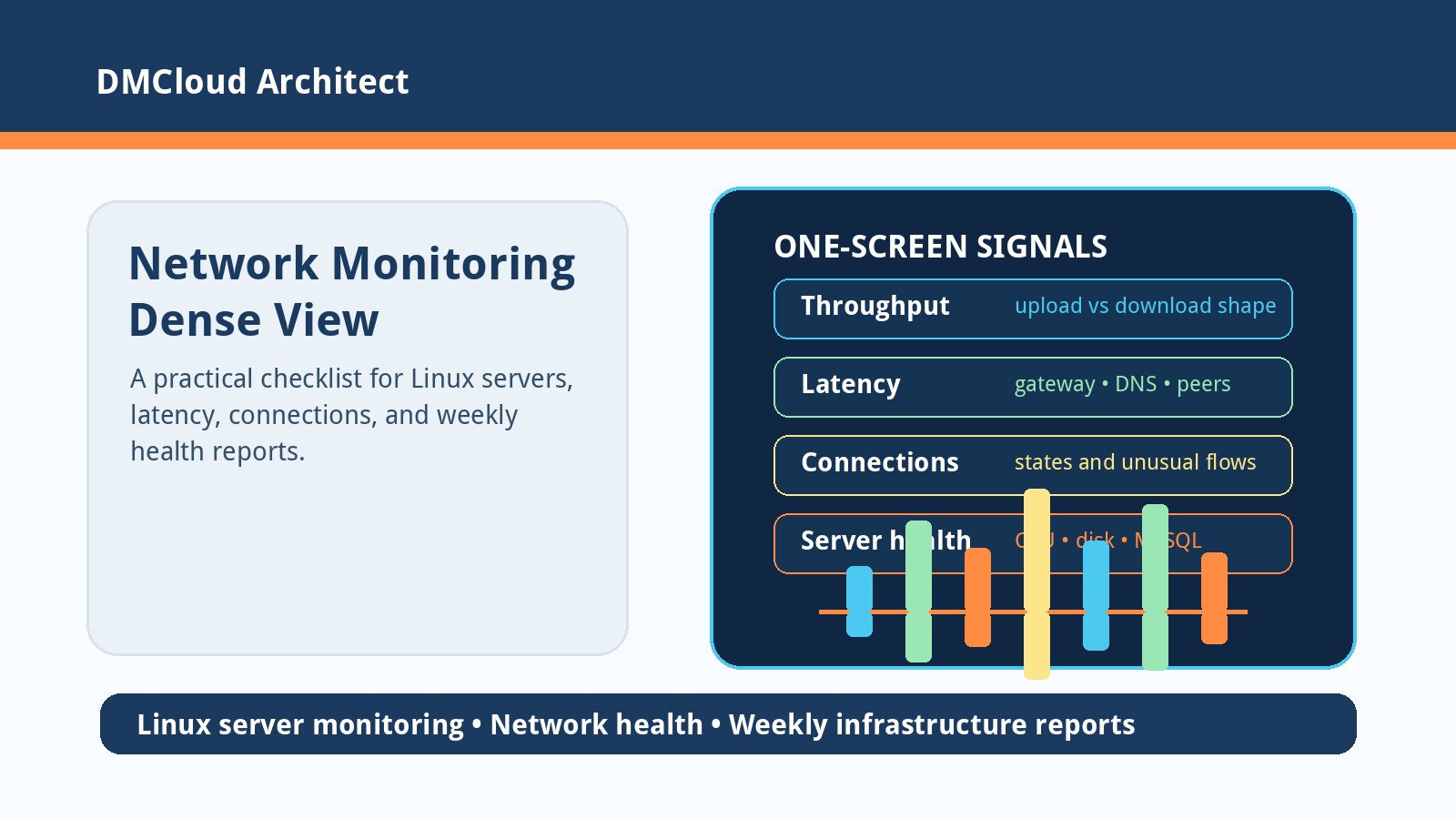
Lightweight Linux monitoring focuses on clarity instead of complexity. This guide explains how to track essential metrics, identify trends, and avoid alert fatigue using simple monitoring setups. Learn how to detect issues early by focusing on long-term system behavior rather than reactive alerts. A practical approach for small teams managing real infrastructure.

Read More
Infrastructure Health vs Monitoring: Why Trends Matter More Than Alerts

Infrastructure Health vs Monitoring: Why Trends Matter More Than Alerts

Apr 24, 2026    Mariusz Antonik    General    4 min read

Most monitoring systems alert you only after something breaks. This article explains why infrastructure health reporting—focused on long-term trends—gives you earlier, more actionable insights. You’ll see how small issues grow over time and how to catch them before they turn into outages. If you manage servers or databases, this approach can simplify your stack and improve reliability.

Read More
MySQL Slow Query Trends

MySQL Slow Query Trends

Apr 23, 2026    Mariusz Antonik    Database    4 min read

Slow queries in MySQL rarely appear suddenly—they grow over time as data and usage increase. This article explains how tracking slow query trends helps you detect performance issues early instead of reacting to alerts. You’ll learn what metrics matter, how to analyze them, and how real-world systems gradually degrade. With a trend-based approach, you gain clearer visibility into database health and avoid late-stage firefighting.

Read More
MySQL Slow Performance Over Time: What’s Really Happening

MySQL Slow Performance Over Time: What’s Really Happening

Apr 21, 2026    Mariusz Antonik    Database    4 min read

MySQL performance issues rarely appear suddenly—they build over time through growing data, changing workloads, and unnoticed inefficiencies. This article explains how to identify slow performance trends before they become critical problems. Learn what metrics to track, why traditional monitoring misses early signals, and how to stay ahead of degradation. A practical guide for teams managing real-world MySQL systems.

Read More