Disk Problems Are Slow, Not Sudden
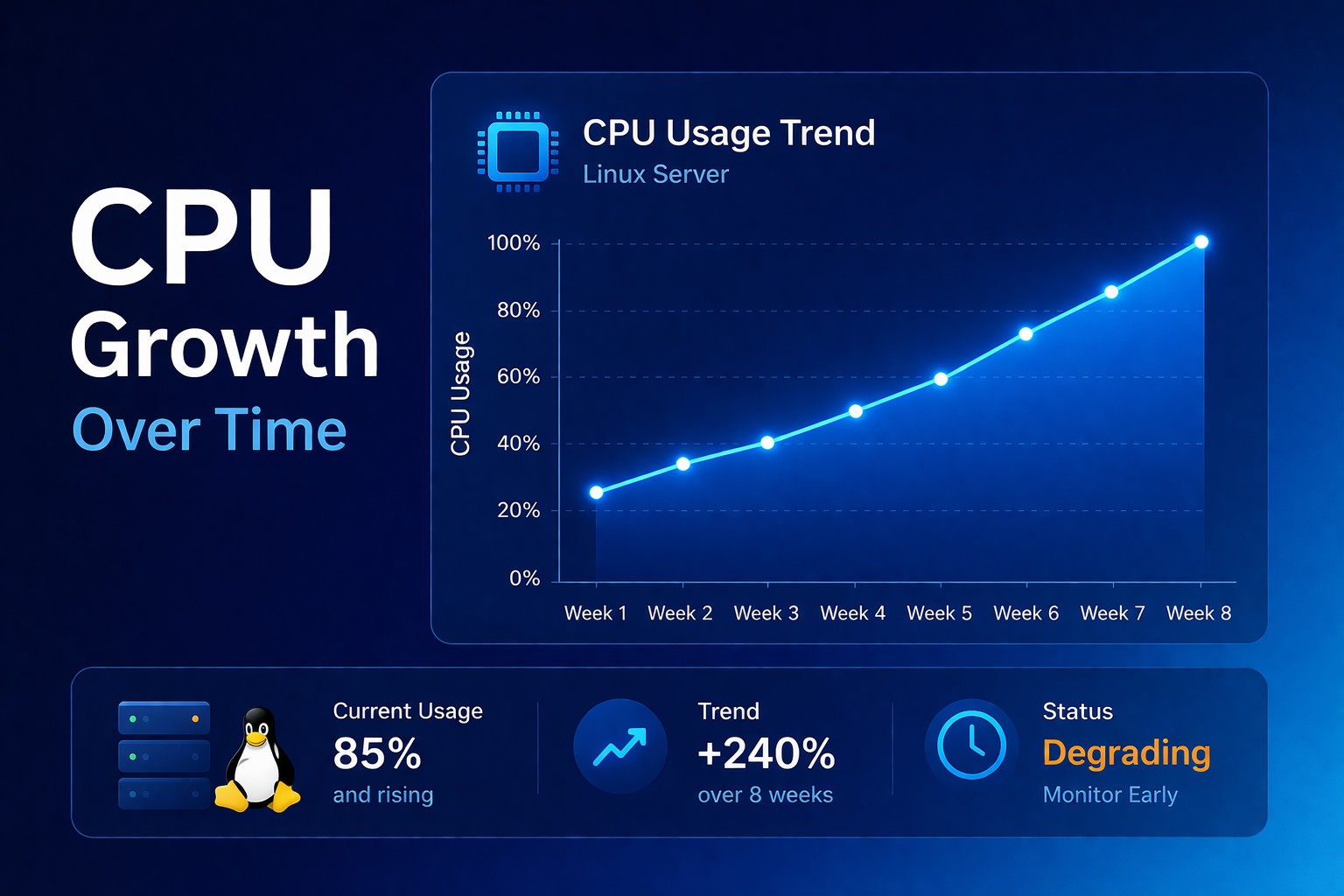
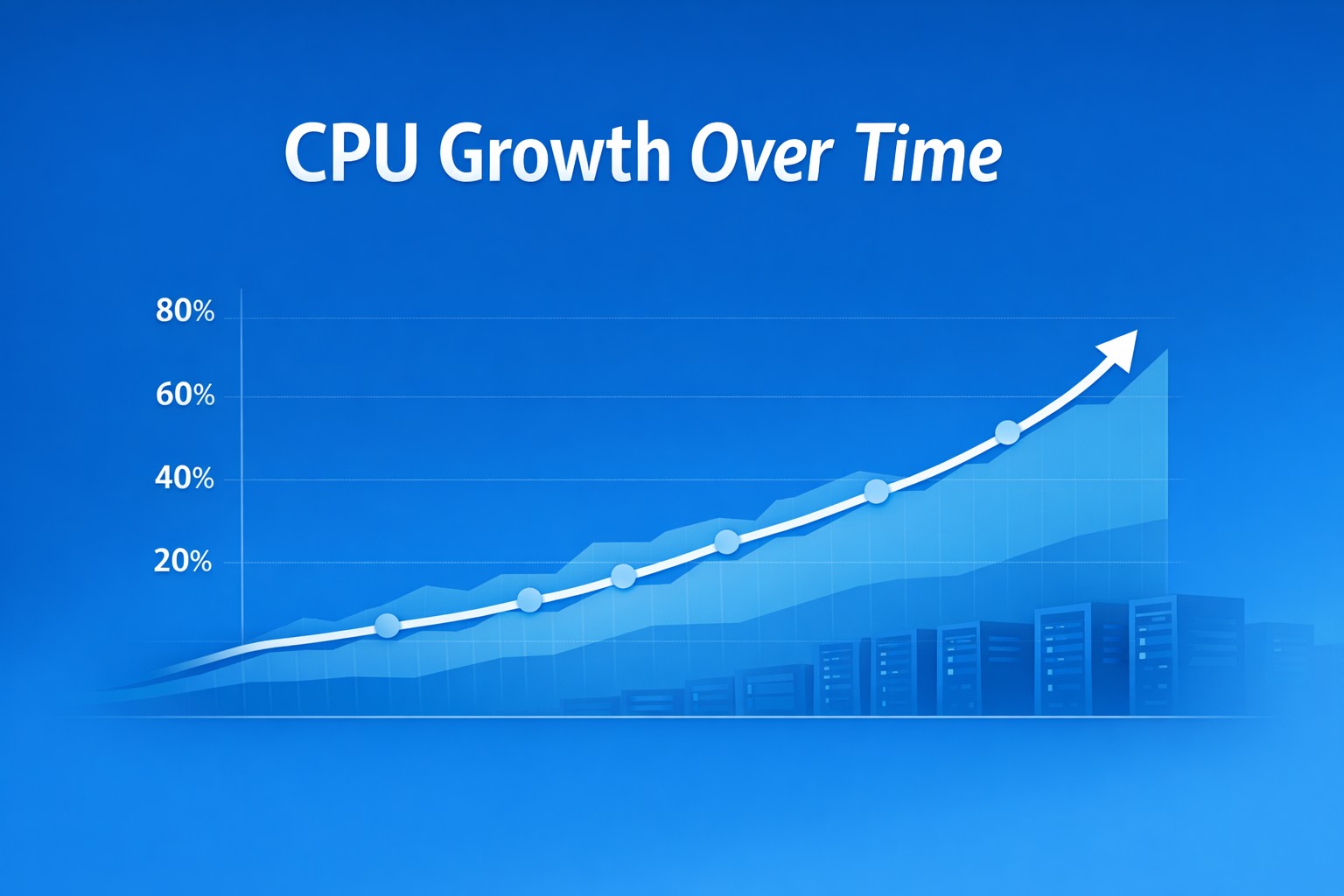
Most disk failures in Linux servers are not caused by sudden spikes. They are the result of gradual growth over time.
Logs accumulate. Backups expand. Temporary files never get cleaned up.
Eventually, the system runs out of space — and everything breaks.
You don’t need more alerts. You need better visibility over time.
The Problem with Traditional Monitoring
Most monitoring systems only alert when disk usage crosses a threshold (e.g., 90% full).
By then, it's already too late:
- Applications start failing
- Databases stop writing
- System services crash
Threshold-based monitoring reacts late. It does not explain how you got there.
What Disk Usage Trends Reveal
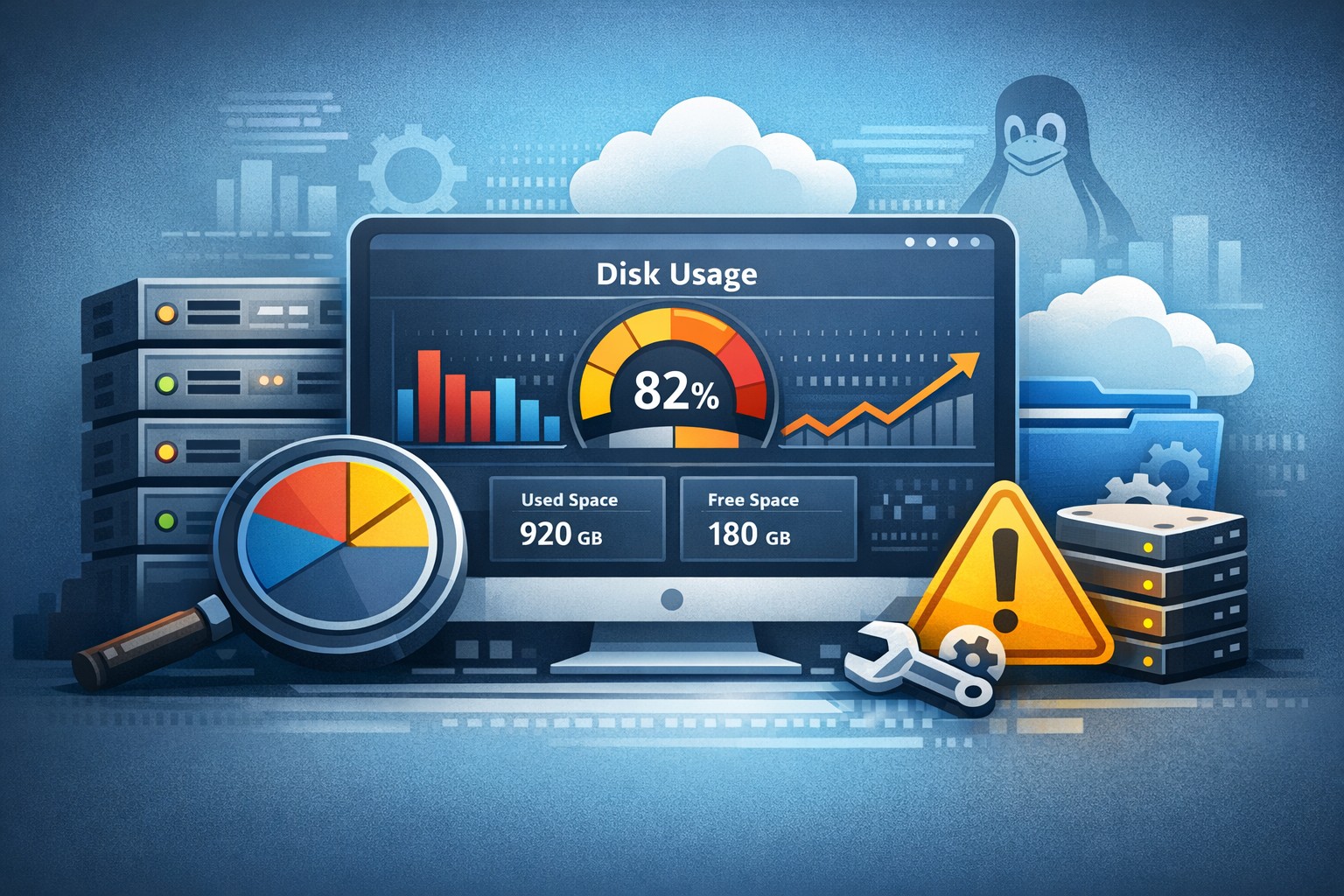
Tracking disk usage trends in Linux servers gives you a completely different perspective.
Instead of asking “How full is the disk?”, you ask:
- How fast is disk usage growing?
- When will it reach capacity?
- Is growth consistent or accelerating?
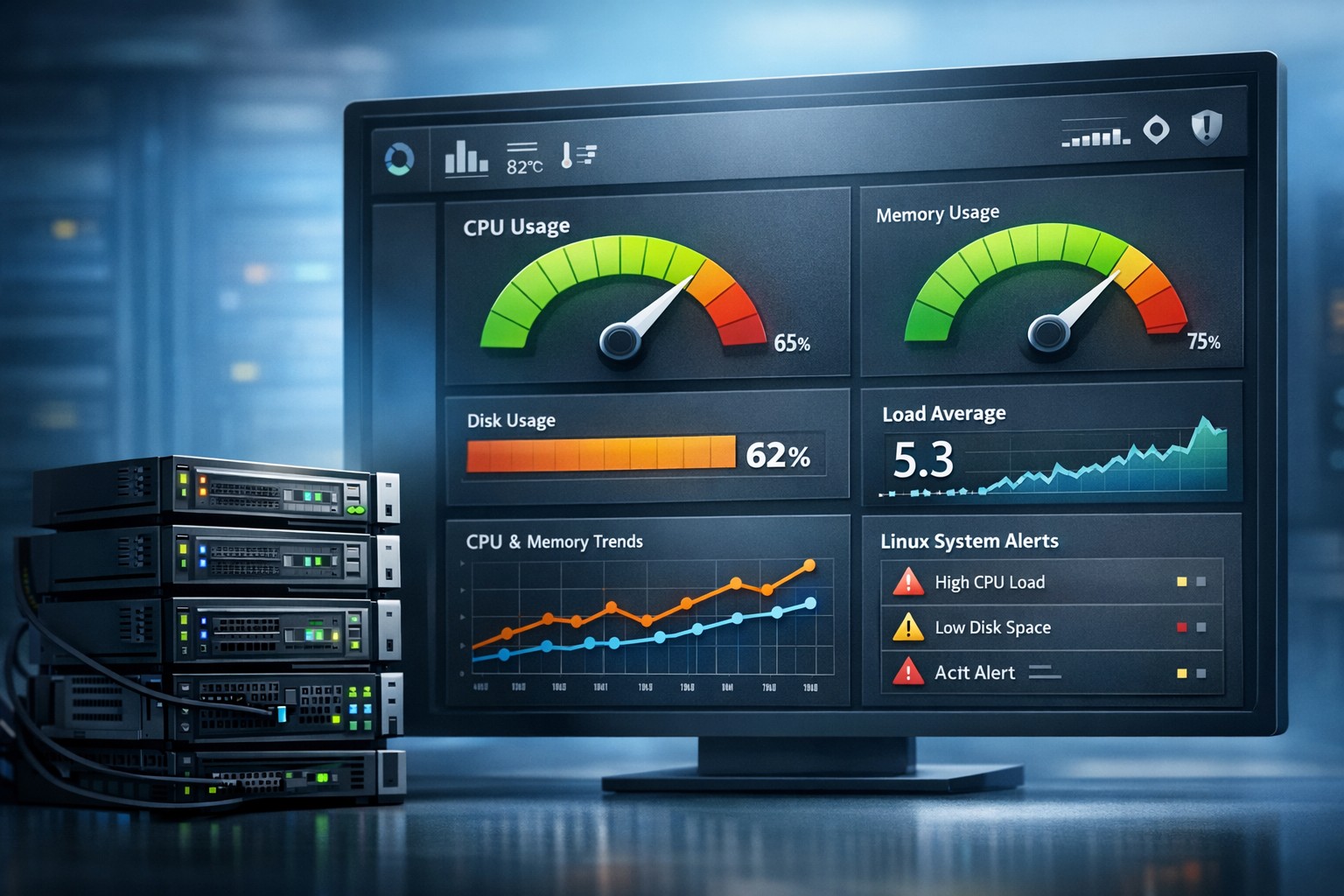
This is where infrastructure health reporting becomes critical.
Real-World Example
A server shows 65% disk usage. No alerts. Everything looks fine.
But trend data shows:
- +2% growth per day
- Consistent increase over 30 days
The disk will be full in less than 3 weeks.
Without trend visibility, this risk remains hidden.
Key Metrics to Track
- Total disk usage (%)
- Daily growth rate
- Top directories by size
- File system trends over time
Disk Capacity Planning Becomes Simple
When you track disk space usage over time:
- You can forecast capacity needs
- You avoid emergency cleanups
- You eliminate unexpected outages
Early Detection Changes Everything
- Detect abnormal growth early
- Identify leaks (logs, temp files, backups)
- Act before systems fail
Disk problems are predictable if you track trends.
Conclusion
Disk outages are not random events. They are the result of gradual, visible growth.
If you only rely on alerts, you will always react too late.
If you track trends, you can prevent failures before they happen.
You don’t need more alerts. You need better visibility over time.