Blog - Database

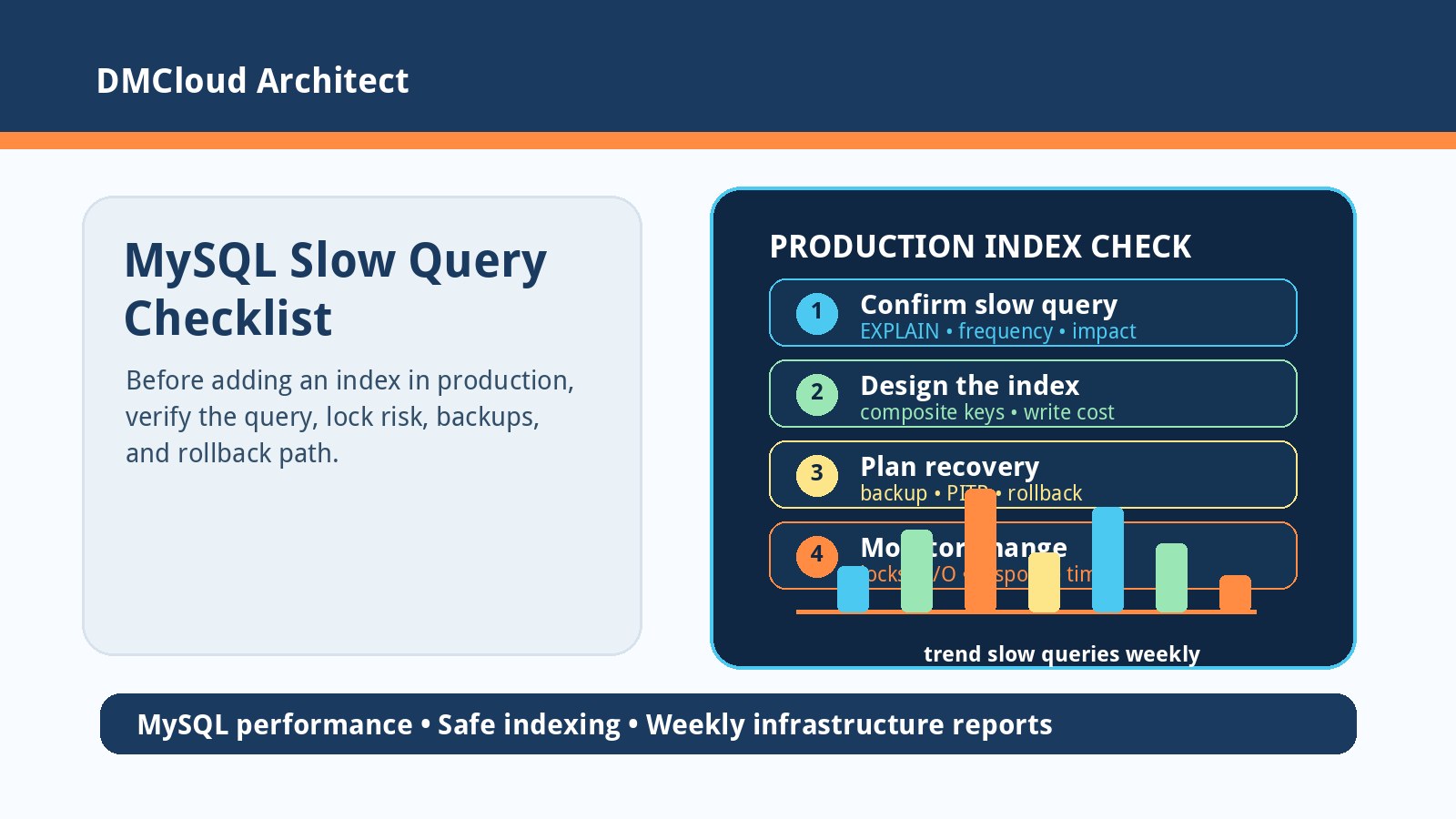
MySQL Slow Query Troubleshooting Checklist for Small Business Servers

MySQL Slow Query Troubleshooting Checklist for Small Business Servers

Sep 04, 2026    Mariusz Antonik    Database    7 min read

A MySQL slow query can often be improved with the right index, but production indexing should not be an improvised click in a database client. This checklist explains how to confirm the query plan, design a targeted index, test safely, understand locking, verify backups, and monitor the change. It gives developers and small business owners a practical procedure for reducing database risk without adding dashboard fatigue.

Read More
Simple MySQL Monitoring for Small Servers: What to Check Each Week

Simple MySQL Monitoring for Small Servers: What to Check Each Week

Sep 03, 2026    Mariusz Antonik    Database    5 min read

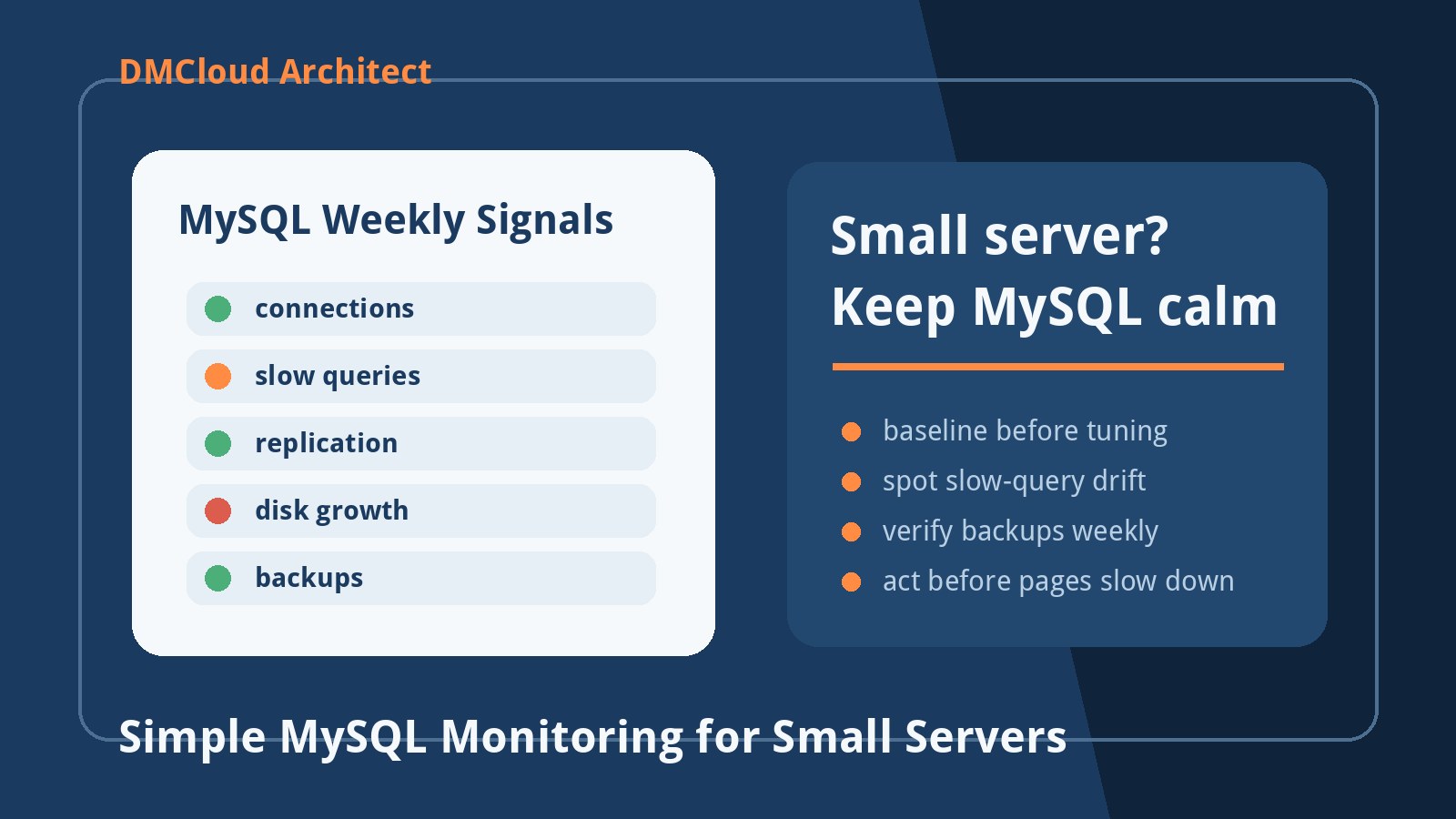
Small MySQL servers do not need dashboard overload, but they do need a short list of weekly checks that catch problems before customers notice. This guide explains the practical signals to track, including slow queries, connection pressure, disk growth, backups, and replication health. It is written for developers and small business owners who want useful MySQL monitoring without building a full operations team.

Read More
MySQL Slow Query Troubleshooting Checklist for Small Business Servers

MySQL Slow Query Troubleshooting Checklist for Small Business Servers

Sep 02, 2026    Mariusz Antonik    Database    7 min read

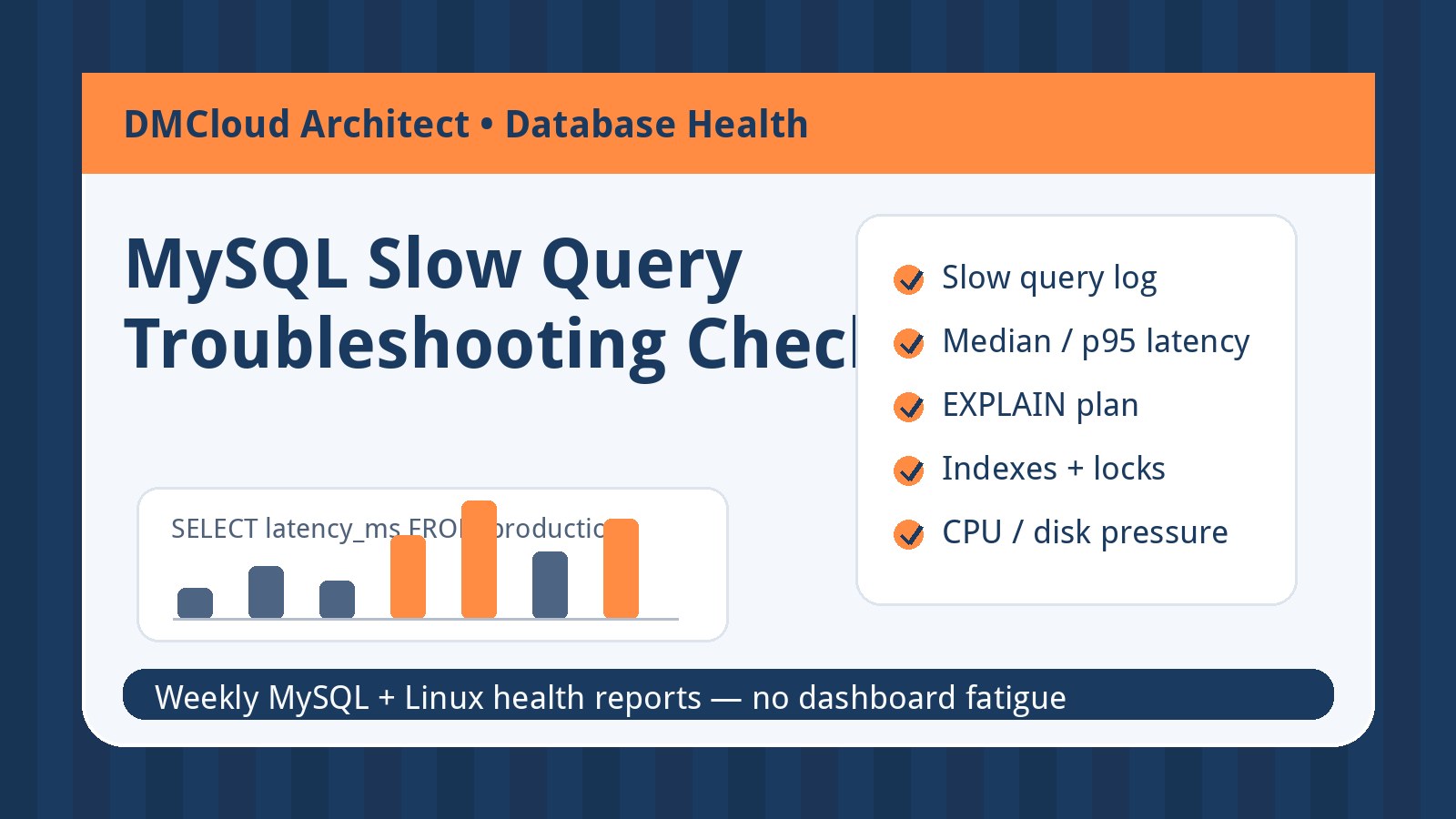
A mysql slow query problem is not always one bad SELECT statement; it can come from missing indexes, data growth, buffer pressure, locks, or reports that hide latency behind averages. This checklist shows small business teams how to review slow query logs, compare median and percentile behavior, inspect execution plans, and connect database symptoms with server health. Use it as a weekly review pattern so MySQL performance drift is found before customers notice slowness.

Read More
Slow Query Reporting for MySQL: A Practical Guide for Small Teams

Slow Query Reporting for MySQL: A Practical Guide for Small Teams

Aug 18, 2026    Mariusz Antonik    Database    5 min read

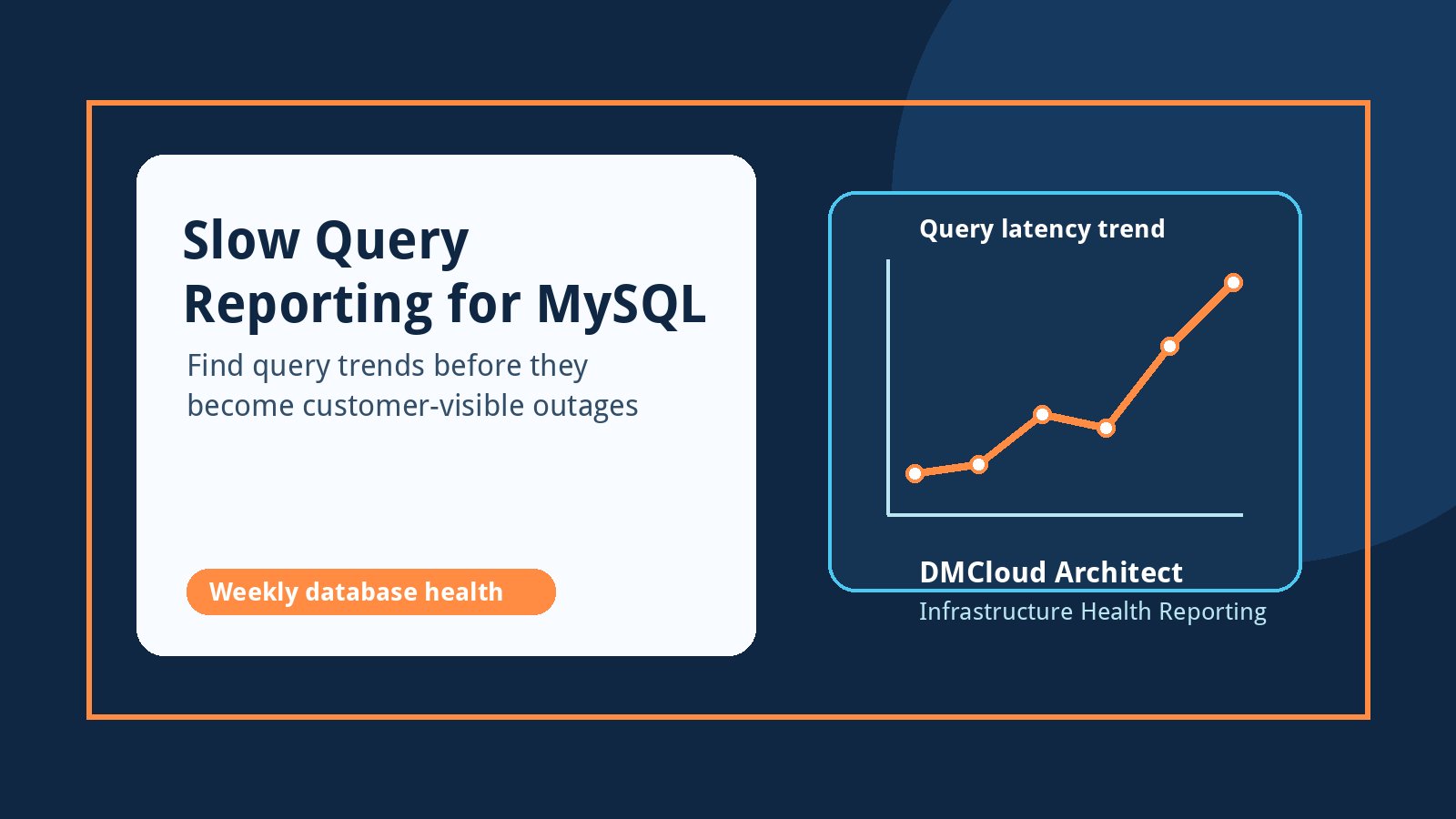
Slow query reporting for MySQL helps small teams catch database performance drift before customers feel it. A weekly report can show new slow queries, worsening trends, high-frequency pain points, and likely causes such as missing indexes or lock contention. This guide explains what to collect, how to read the results, and how to turn query data into practical maintenance work. Use it to make MySQL performance review part of a broader infrastructure health habit without adding another dashboard to watch.

Read More
How to Spot MySQL Query Trends Before Performance Slips

How to Spot MySQL Query Trends Before Performance Slips

Aug 08, 2026    Mariusz Antonik    Database    5 min read

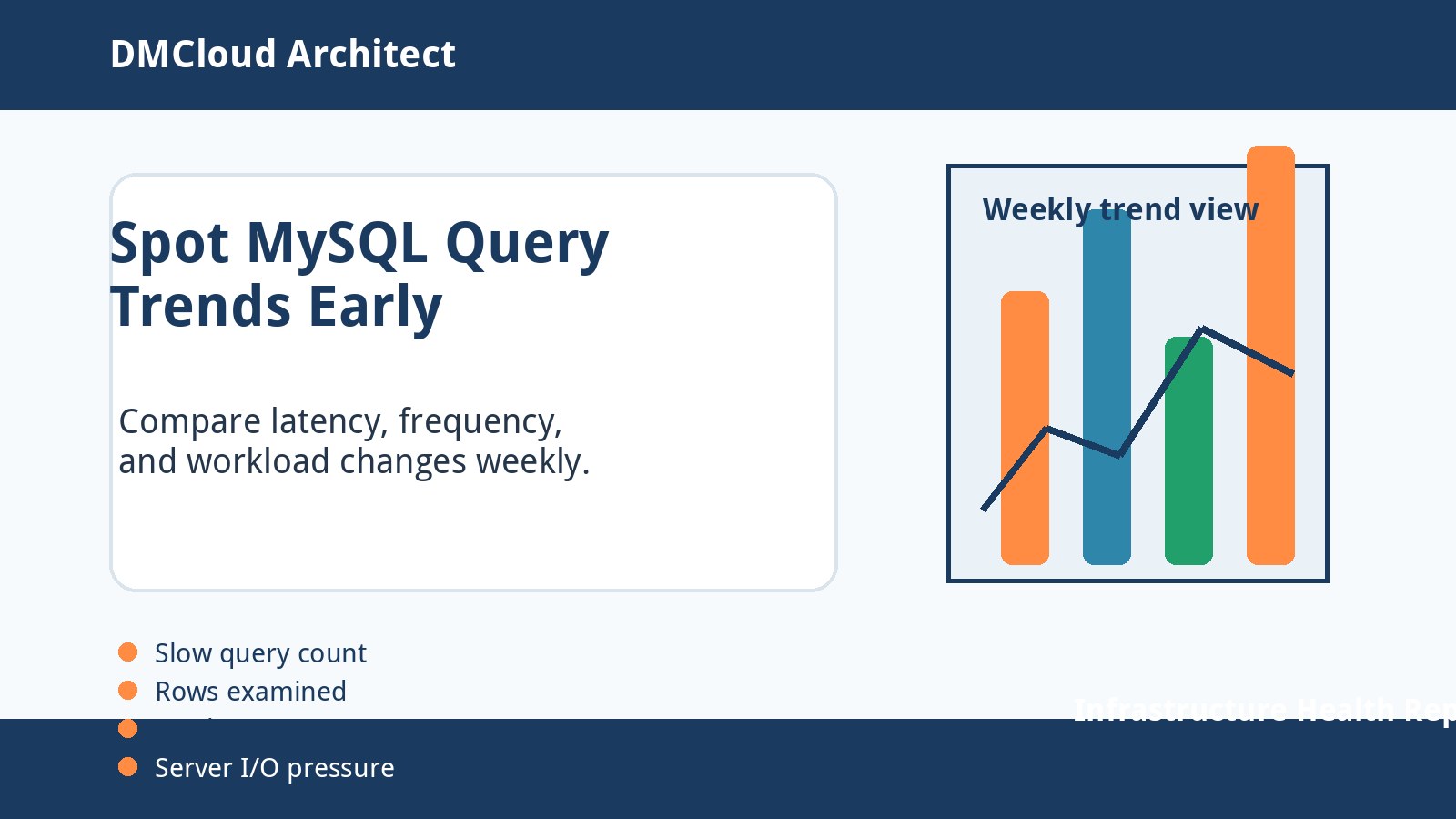
MySQL performance problems often build slowly as query mix, table size, and traffic patterns change. Tracking MySQL query trends gives developers and small business owners a practical way to notice degradation before customers feel it. This guide explains which signals to review weekly, how to separate normal growth from risk, and how to turn the findings into action.

Read More
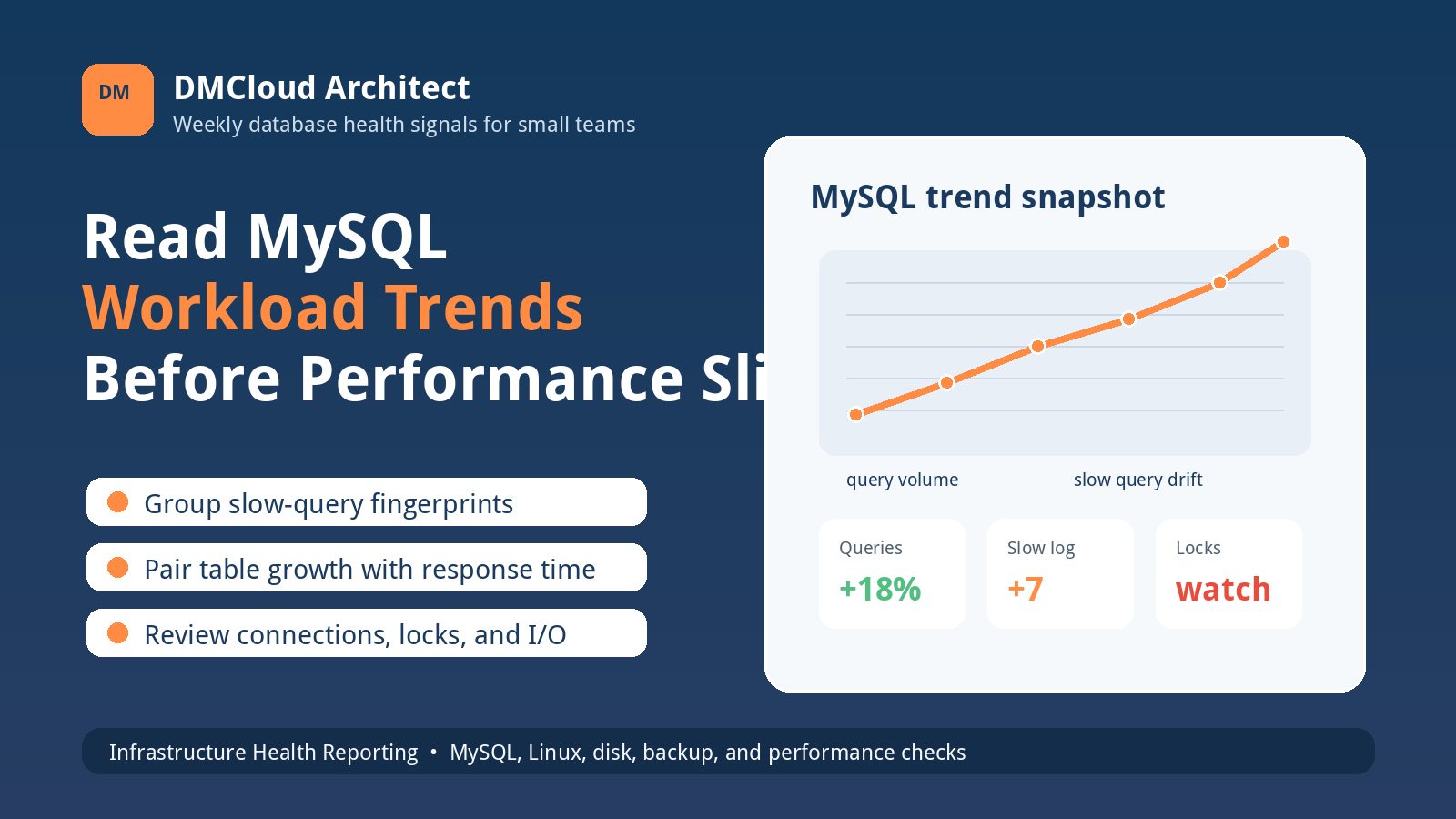
How to Read MySQL Workload Trends Before Performance Slips

How to Read MySQL Workload Trends Before Performance Slips

Aug 02, 2026    Mariusz Antonik    Database    6 min read

MySQL performance problems often build gradually as traffic, table size, queries, and background jobs change over time. Watching workload trends gives small teams early warning before slow pages, stuck reports, or connection pressure become customer-facing incidents. This guide explains which MySQL workload signals to review weekly and how to turn them into practical next steps.

Read More
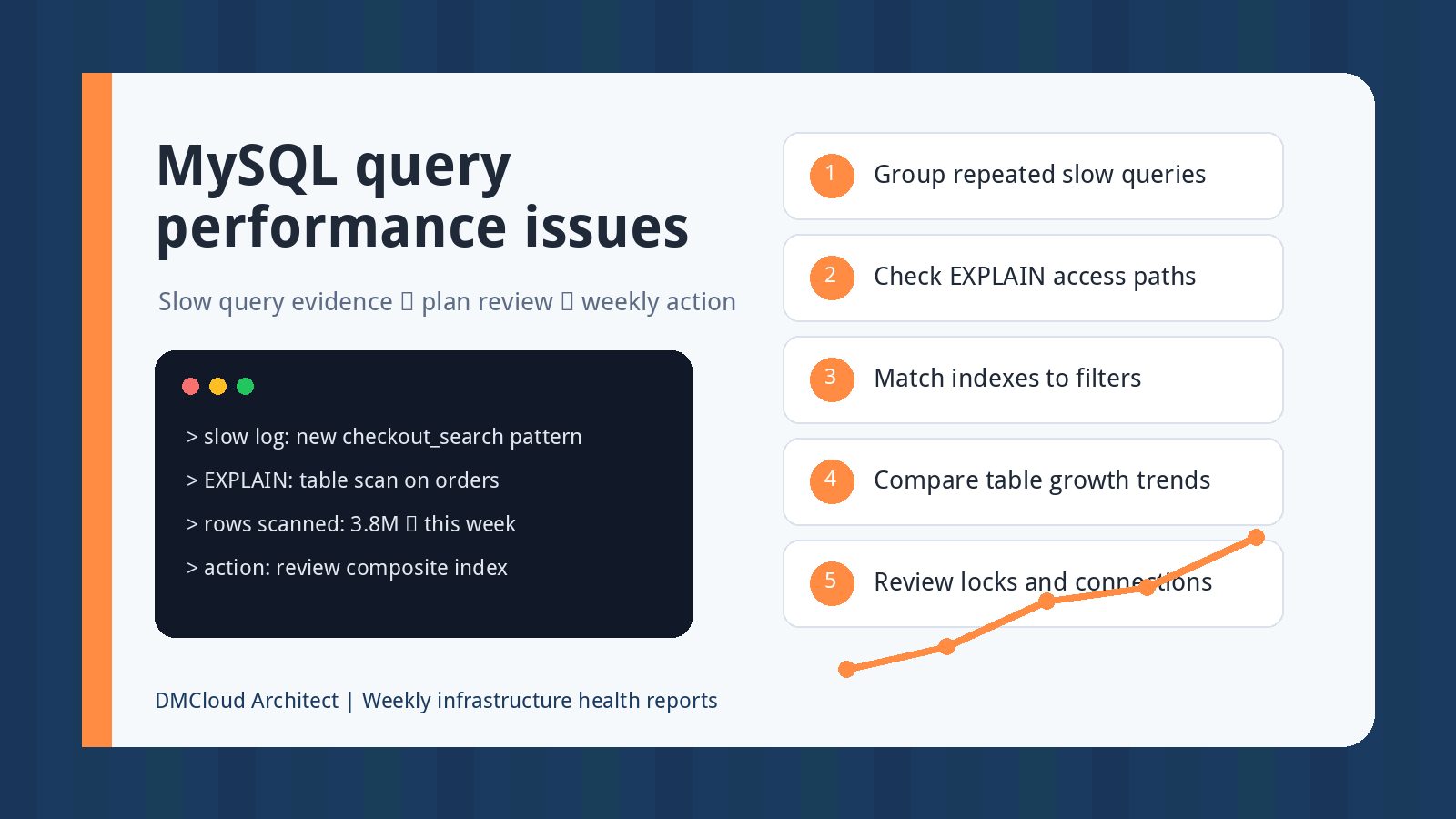
How to Diagnose MySQL Query Performance Issues Before Users Complain

How to Diagnose MySQL Query Performance Issues Before Users Complain

Jul 31, 2026    Mariusz Antonik    Database    6 min read

MySQL query slowdowns rarely appear out of nowhere; they usually leave clues in slow logs, execution plans, connection pressure, and server resource trends. A practical review rhythm helps small teams spot these signals before a customer-facing page or report times out. This guide shows how to diagnose MySQL query performance issues with lightweight checks that fit into a weekly infrastructure health report.

Read More
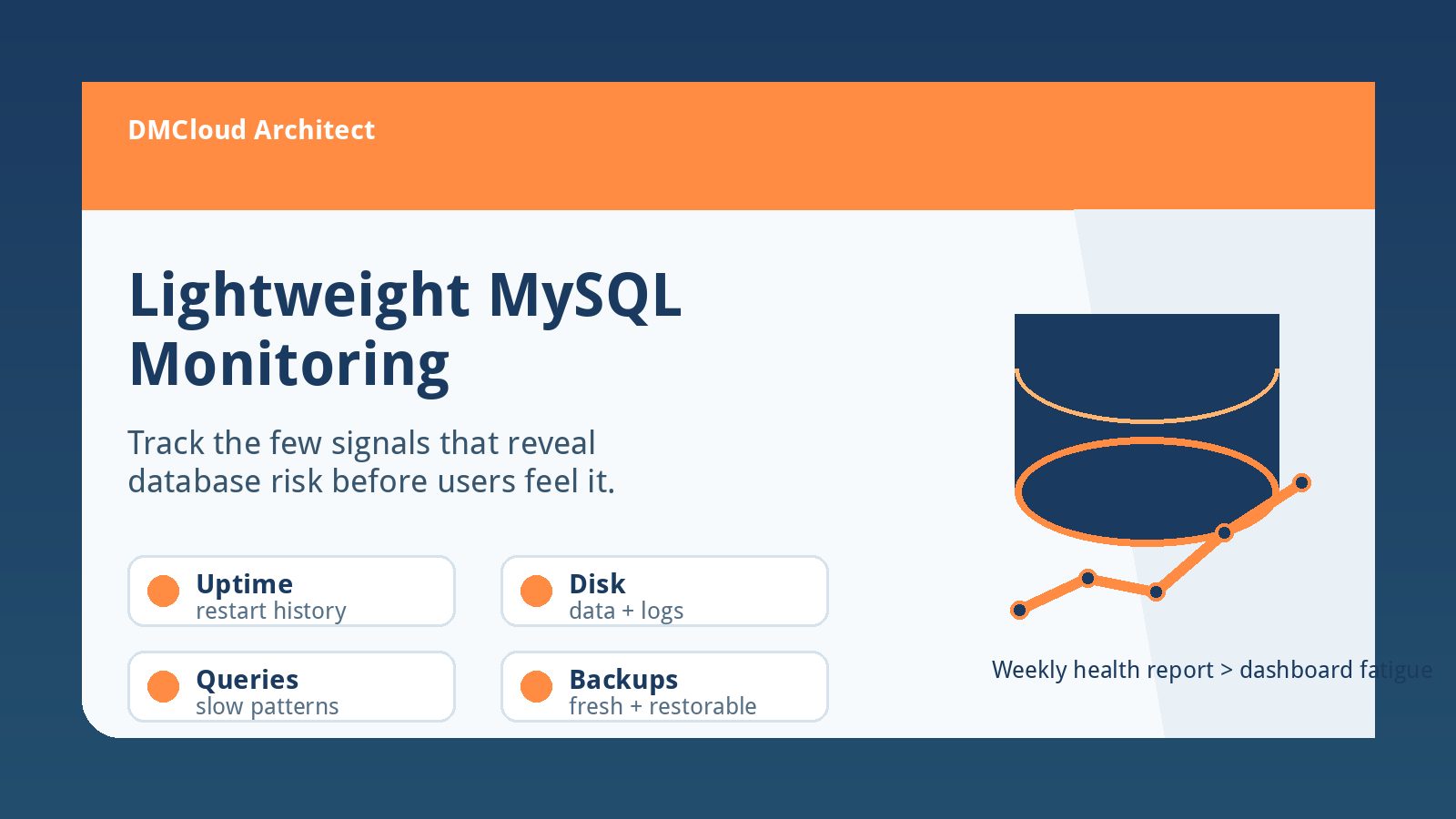
Lightweight MySQL Monitoring: What to Track Before Performance Slips

Lightweight MySQL Monitoring: What to Track Before Performance Slips

Jul 29, 2026    Mariusz Antonik    Database    6 min read

MySQL problems often start as small trends: slower queries, rising disk use, missed backups, or a connection count that keeps creeping upward. Lightweight MySQL monitoring gives developers and small business owners a practical way to catch those signals without maintaining a large observability stack. This guide shows which checks matter most and how to turn them into a simple weekly health report.

Read More
OCI MySQL HeatWave Setup Checklist for Small Teams

OCI MySQL HeatWave Setup Checklist for Small Teams

Jun 22, 2026    Mariusz Antonik    Database    6 min read

A clean OCI MySQL HeatWave setup starts before the database is created. This checklist helps small teams plan the network, access rules, backups, users, and operational checks that make the deployment easier to maintain. Use it before launch to avoid common mistakes like public database exposure, unclear ownership, or backups that have never been tested. The goal is a practical production-ready setup, not just a working demo.

Read More
Oracle Cloud MySQL Setup: Practical OCI Guide

Oracle Cloud MySQL Setup: Practical OCI Guide

Jun 22, 2026    Mariusz Antonik    Database    6 min read

Oracle Cloud MySQL setup is easier when you plan the network, security, backup, and access model before creating the database system. This guide walks through the practical decisions that matter for a clean OCI MySQL deployment. You will learn what to prepare, what mistakes to avoid, and when MySQL HeatWave features may be useful. It is written for teams that want a reliable setup instead of a quick demo that becomes hard to maintain.

Read More