Blog - Tag: weekly-reports

Unified Linux Server Monitoring: A Practical Tool Evaluation Checklist

Unified Linux Server Monitoring: A Practical Tool Evaluation Checklist

Oct 15, 2026    Mariusz Antonik    Automation    9 min read

A unified Linux monitoring tool can simplify operations, but only if it turns host data into reliable decisions instead of another noisy dashboard. This practical checklist helps developers and small business owners assess collection coverage, service health, alert quality, security, remote management, and reporting. It also explains when a focused weekly health report is more useful than expanding a real-time monitoring stack.

Read More
Inventory Monitoring for Linux and Windows: A Practical Small-Team Checklist

Inventory Monitoring for Linux and Windows: A Practical Small-Team Checklist

Oct 13, 2026    Mariusz Antonik    Automation    7 min read

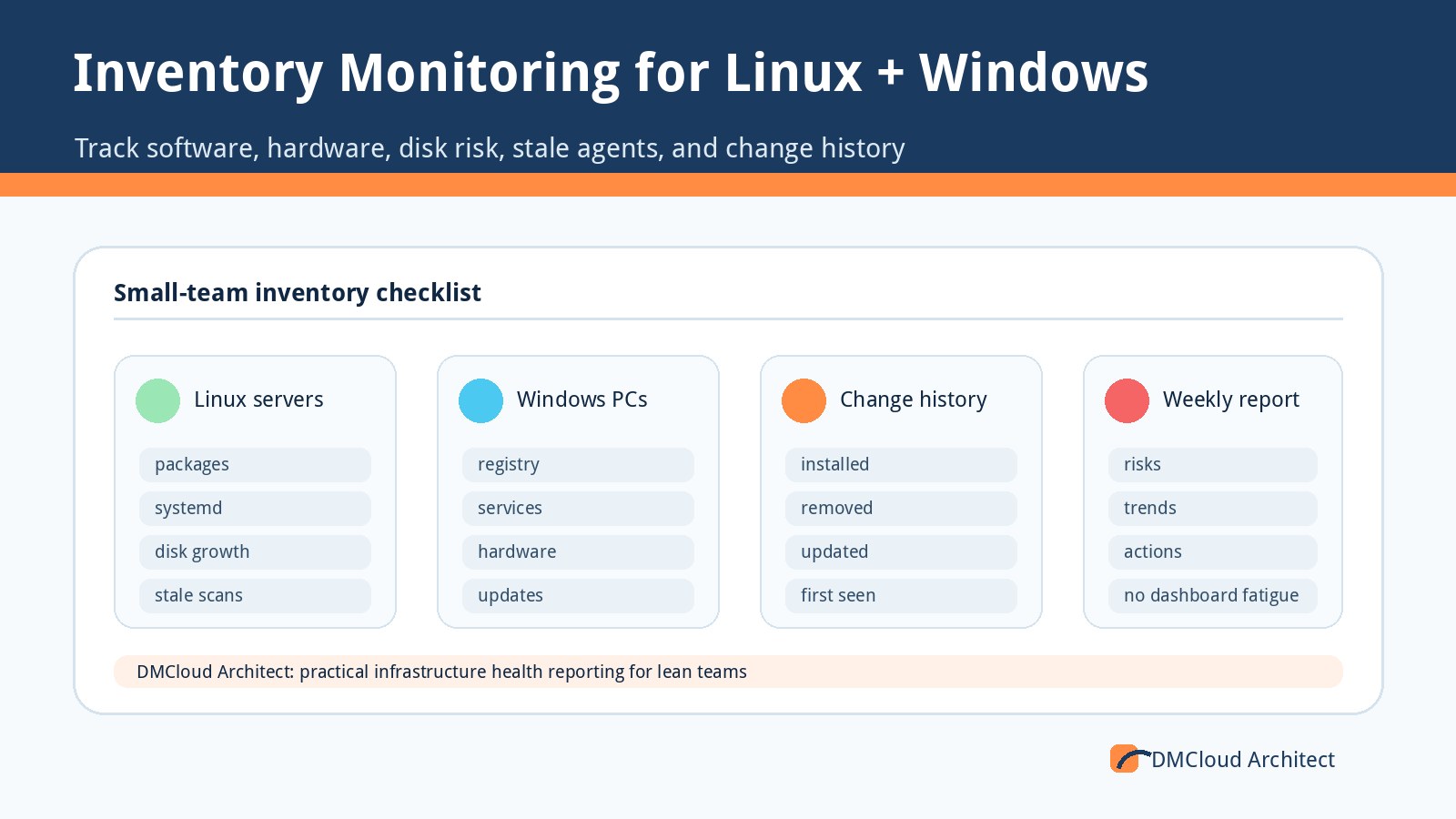
Inventory monitoring is useful only when it helps small teams understand what changed, which machines stopped reporting, and which risks need action. This checklist explains how to evaluate software and hardware tracking across Windows and Linux without turning it into another noisy dashboard. It covers change history, stale agents, disk trends, remote actions, AI categorization, and where weekly infrastructure reports fit beside live monitoring.

Read More
Linux Time Travel Monitoring: Is It Worth Building? A Practical Checklist

Linux Time Travel Monitoring: Is It Worth Building? A Practical Checklist

Oct 11, 2026    Mariusz Antonik    Automation    7 min read

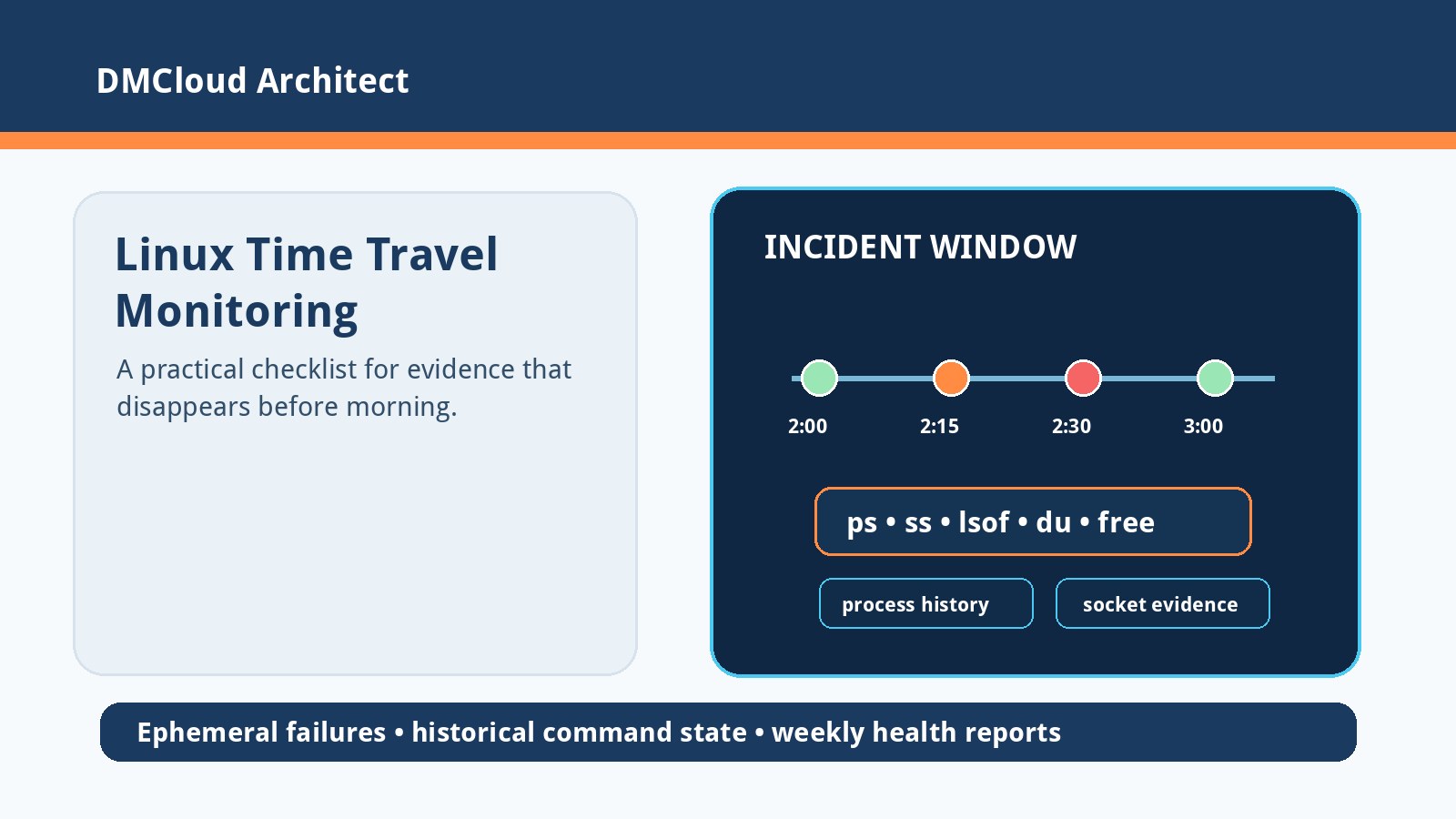
Linux time travel diagnostics can help when the evidence behind an outage disappears before anyone investigates. This checklist compares historical command-state tools with sar, atop, Prometheus, logs, sosreports, auditd, eBPF, and weekly health reports. Use it to decide when a new diagnostic agent is worth building and when better retention or reporting is enough.

Read More
HPC Cluster Day-2 Operations Checklist for Linux Server Monitoring

HPC Cluster Day-2 Operations Checklist for Linux Server Monitoring

Oct 09, 2026    Mariusz Antonik    Automation    7 min read

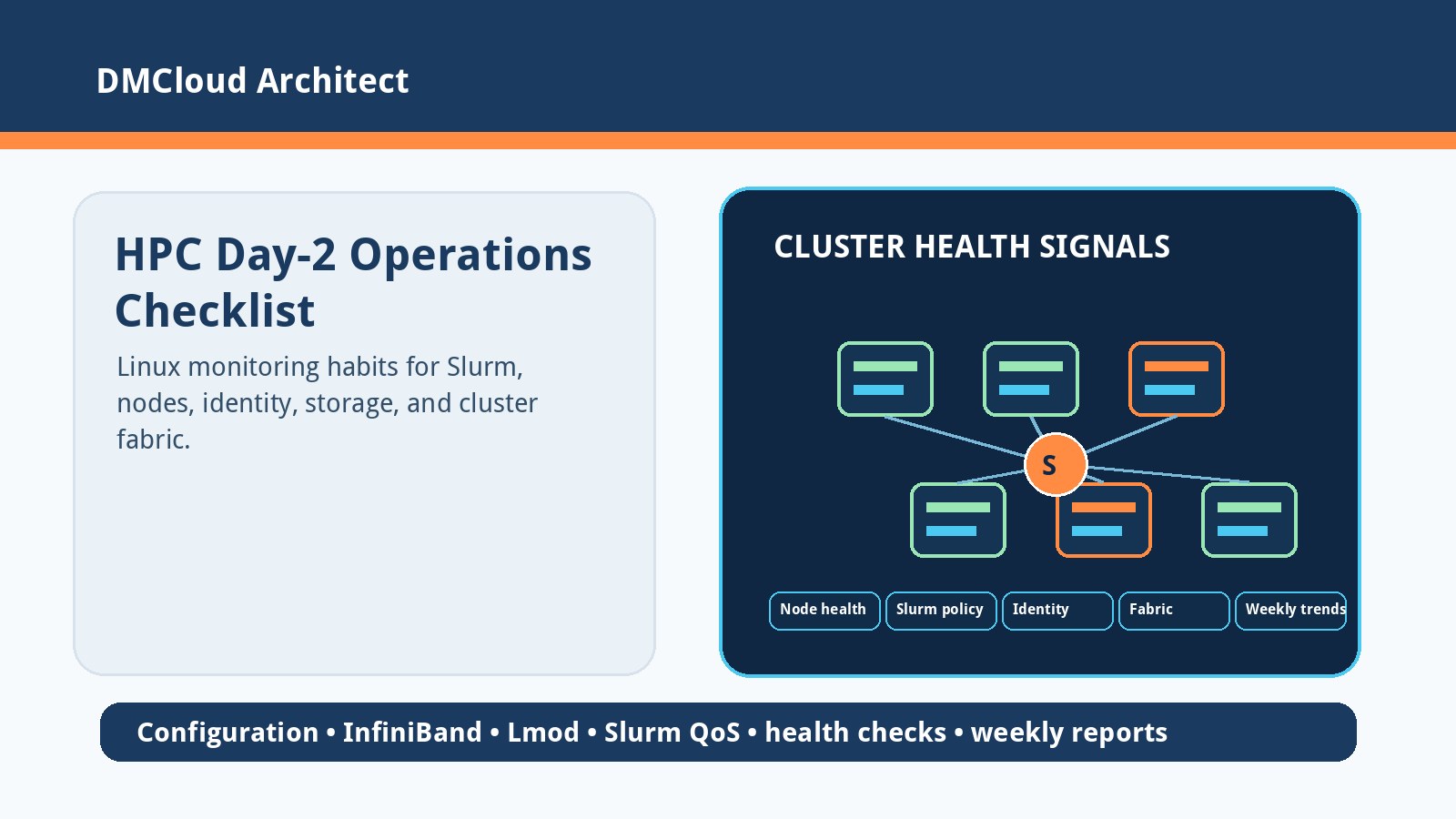
HPC cluster administration needs day-2 routines after the first successful OpenHPC build. This checklist covers Linux tuning, InfiniBand health, identity control, Lmod environments, Slurm policy, node health checks, and weekly trend reporting. It gives Linux admins a practical path from home lab cluster to production habits without adding dashboard fatigue.

Read More
Windows to Linux Server Administration Checklist Without Agents

Windows to Linux Server Administration Checklist Without Agents

Oct 07, 2026    Mariusz Antonik    Automation    7 min read

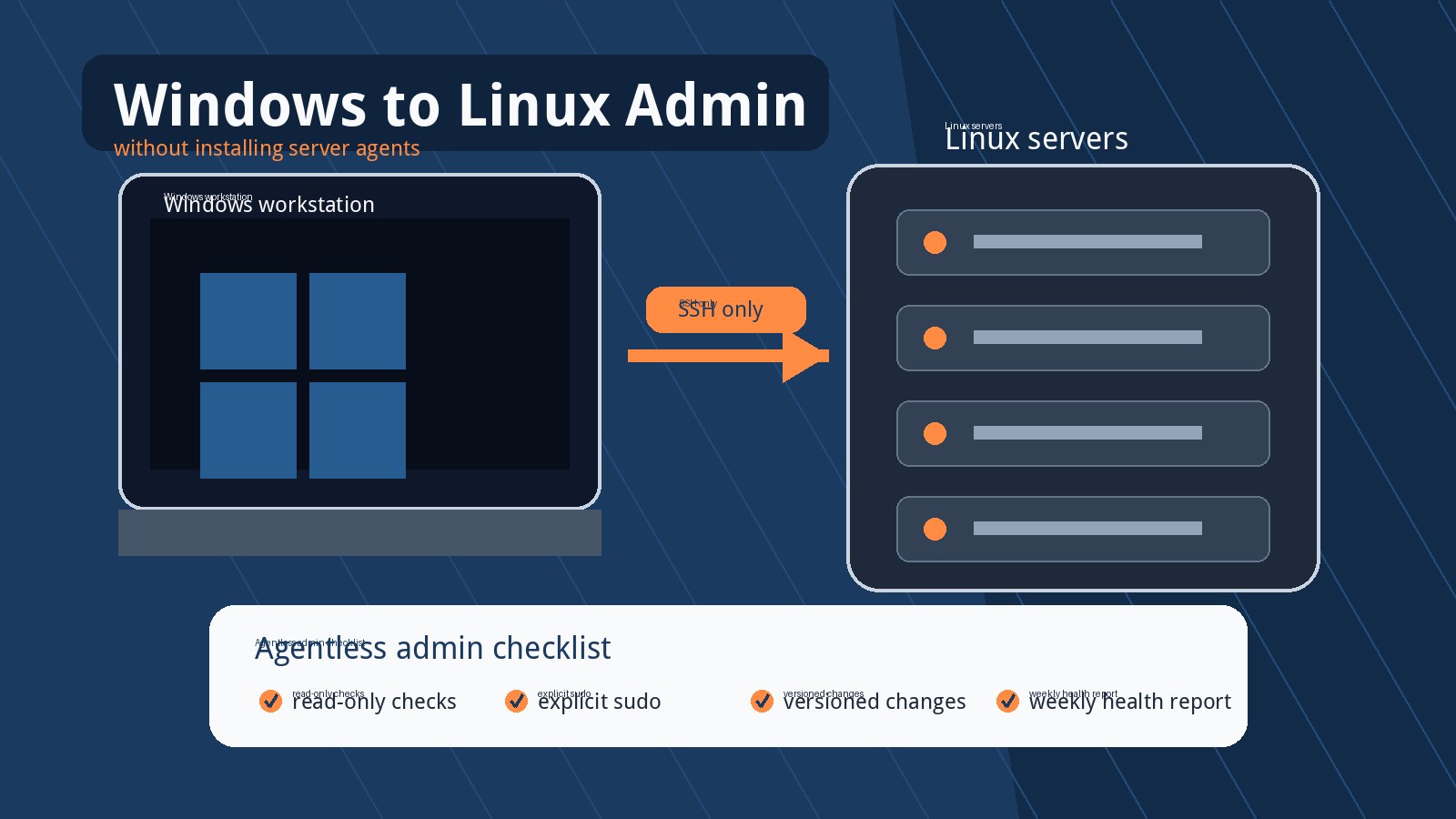
Managing Linux servers from a Windows workstation works best when SSH remains the trust boundary and each tool has a clear job. This checklist compares separate SSH, SFTP, editor, deployment, log, and monitoring workflows with agentless GUI approaches. It also covers the production operations a GUI should avoid and where weekly Linux server monitoring reports fit better than another live dashboard.

Read More
SSH Brute-Force Protection Checklist for Practical Linux Server Monitoring

SSH Brute-Force Protection Checklist for Practical Linux Server Monitoring

Oct 05, 2026    Mariusz Antonik    Security    6 min read

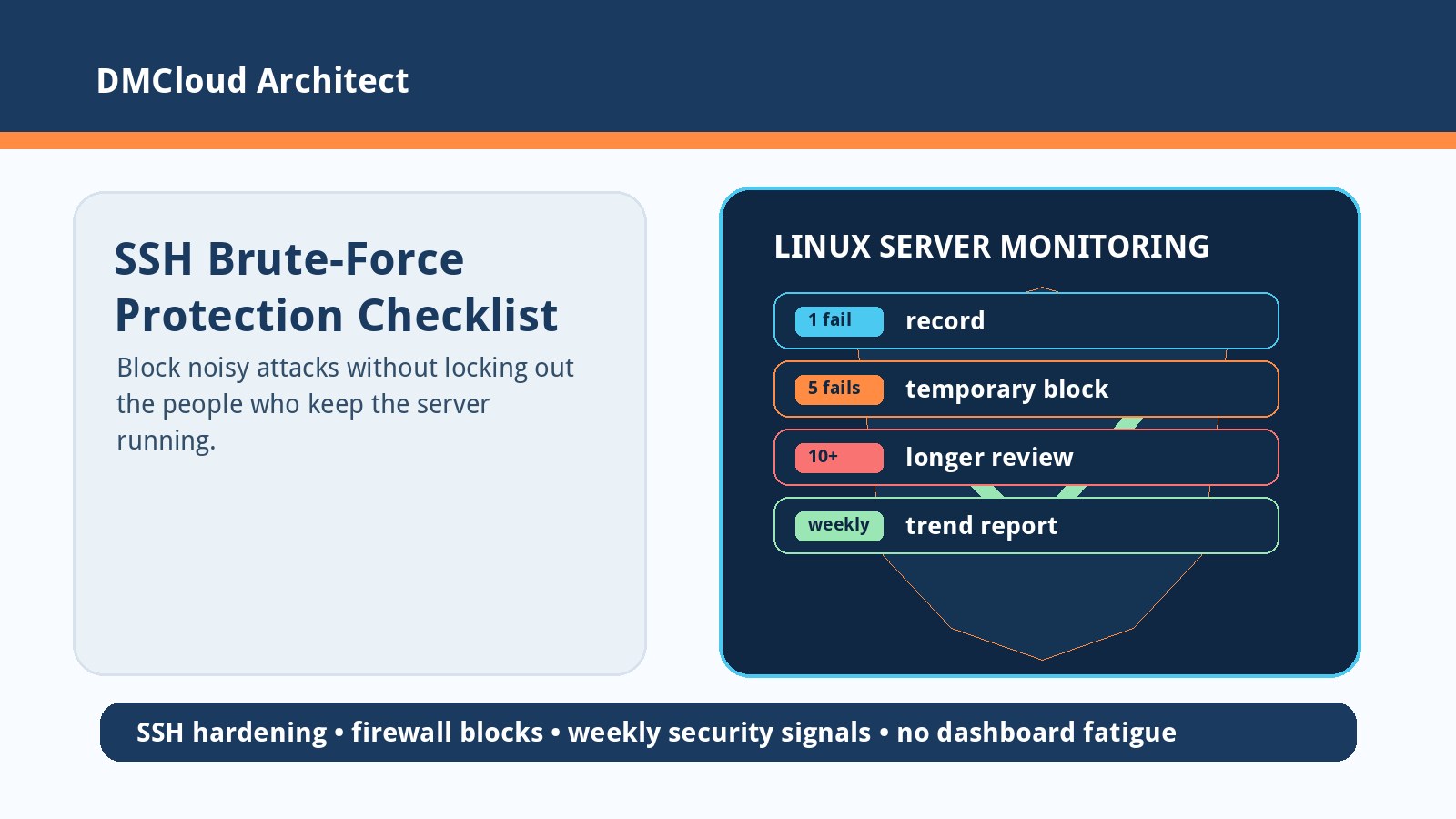
SSH brute-force protection helps when it is part of a wider Linux server monitoring and hardening plan. This checklist covers thresholds, firewall rule safety, persistence, notifications, lockout risks, and weekly security reporting. It gives developers and small business owners a practical way to reduce noisy attacks without turning access automation into a new production risk.

Read More
MySQL Resource Trends: How to Spot Slow Performance Drift Early

MySQL Resource Trends: How to Spot Slow Performance Drift Early

Sep 30, 2026    Mariusz Antonik    Database    7 min read

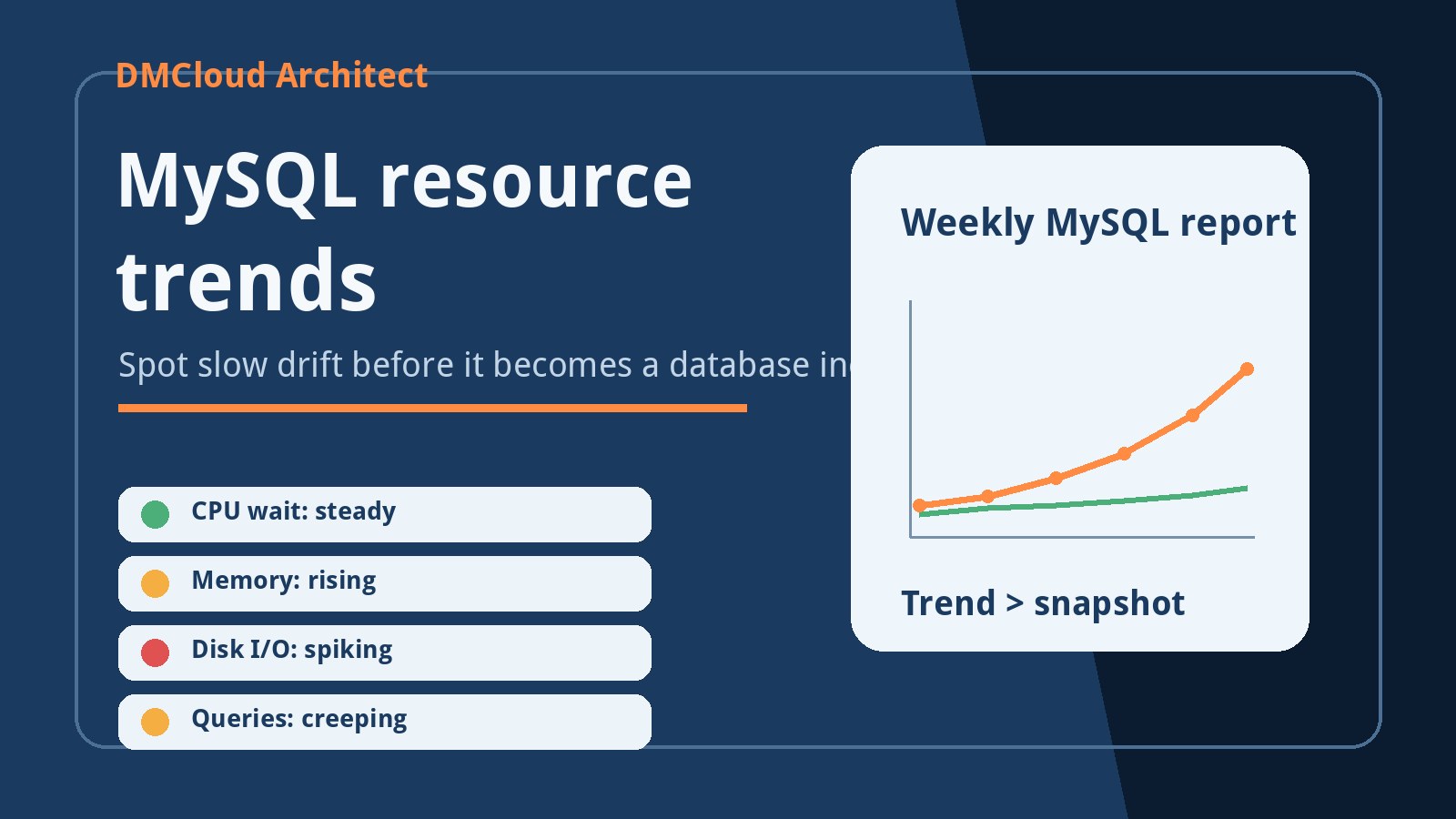
MySQL resource trends help small teams see slow performance drift before customers feel it. This guide explains how to compare CPU, memory, disk I/O, connections, slow queries, and table growth over time instead of reacting to one noisy snapshot. Use it to build a practical weekly database health routine that flags risk early and turns MySQL monitoring into clear next actions.

Read More
Disk Alert Before Full Linux: Catch Storage Problems Before Downtime

Disk Alert Before Full Linux: Catch Storage Problems Before Downtime

Sep 28, 2026    Mariusz Antonik    Automation    7 min read

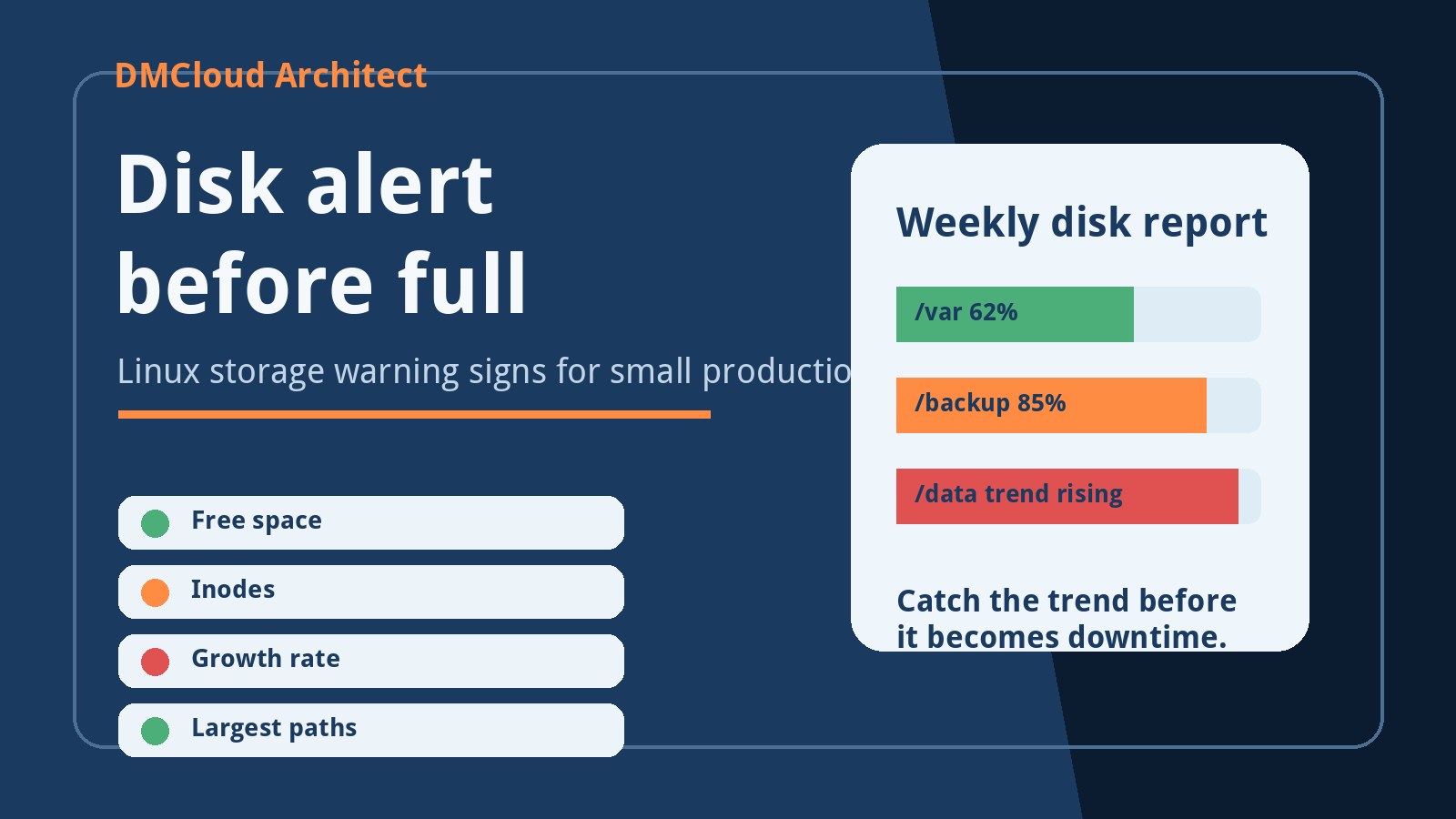
A Linux server rarely fills its disk without leaving warning signs first. This guide explains how developers and small business owners can create a practical disk alert before full Linux routine using free space, inode, growth-rate, and directory-size checks. The goal is to catch storage risk early, prevent avoidable outages, and turn disk health into a short weekly action report.

Read More
Monitoring Without Cloud Tools: A Practical Weekly Checklist for Small Servers

Monitoring Without Cloud Tools: A Practical Weekly Checklist for Small Servers

Sep 05, 2026    Mariusz Antonik    Automation    7 min read

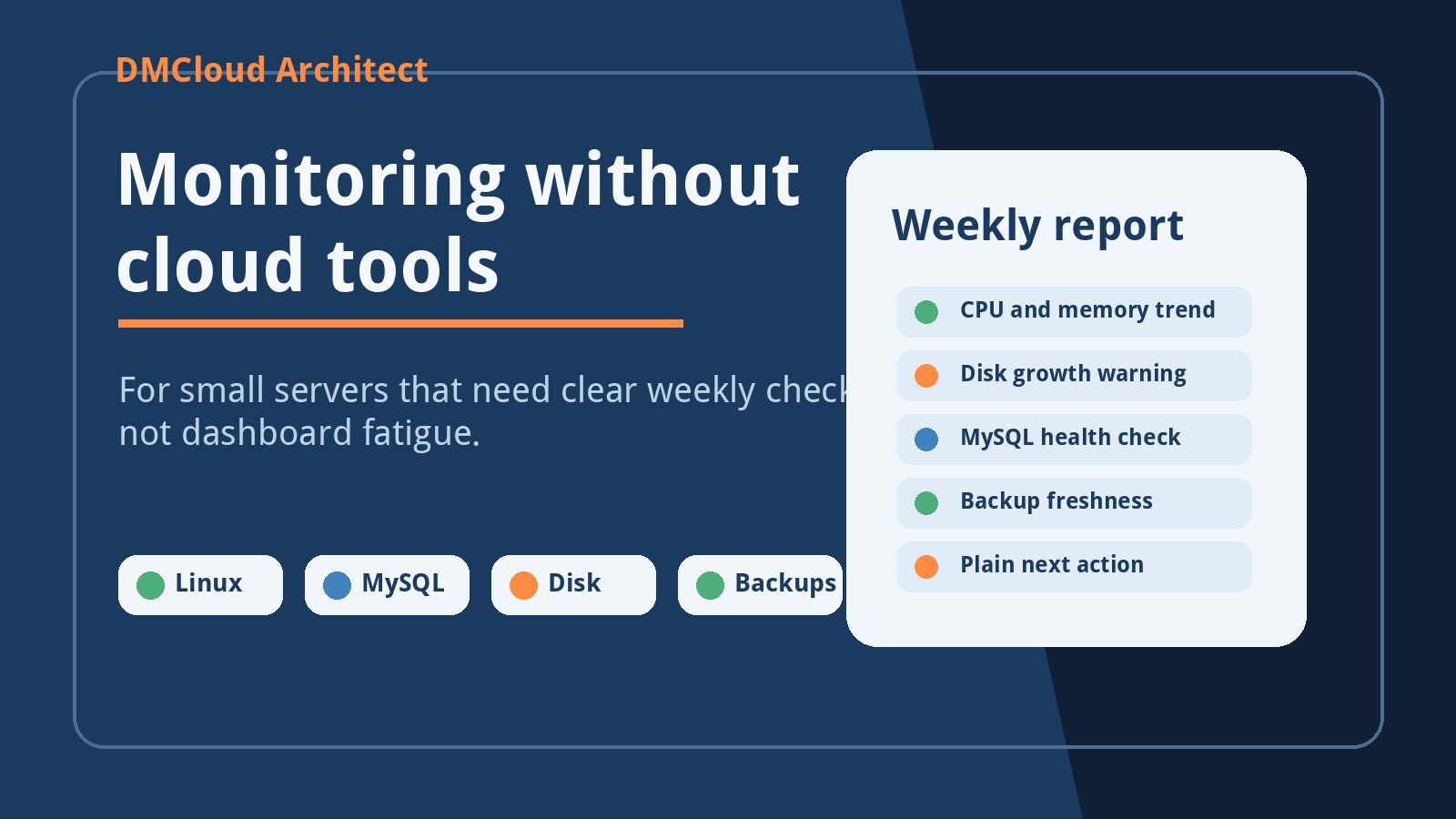
Small servers do not always need a large cloud monitoring platform, but they do need a reliable way to spot drift before customers notice problems. This guide gives developers and small business owners a weekly checklist for Linux, MySQL, disk, backups, and basic security signals. The goal is practical monitoring without cloud tools: clear evidence, a short report, and one sensible next action each week.

Read More
Simple MySQL Monitoring for Small Servers: What to Check Each Week

Simple MySQL Monitoring for Small Servers: What to Check Each Week

Sep 03, 2026    Mariusz Antonik    Database    5 min read

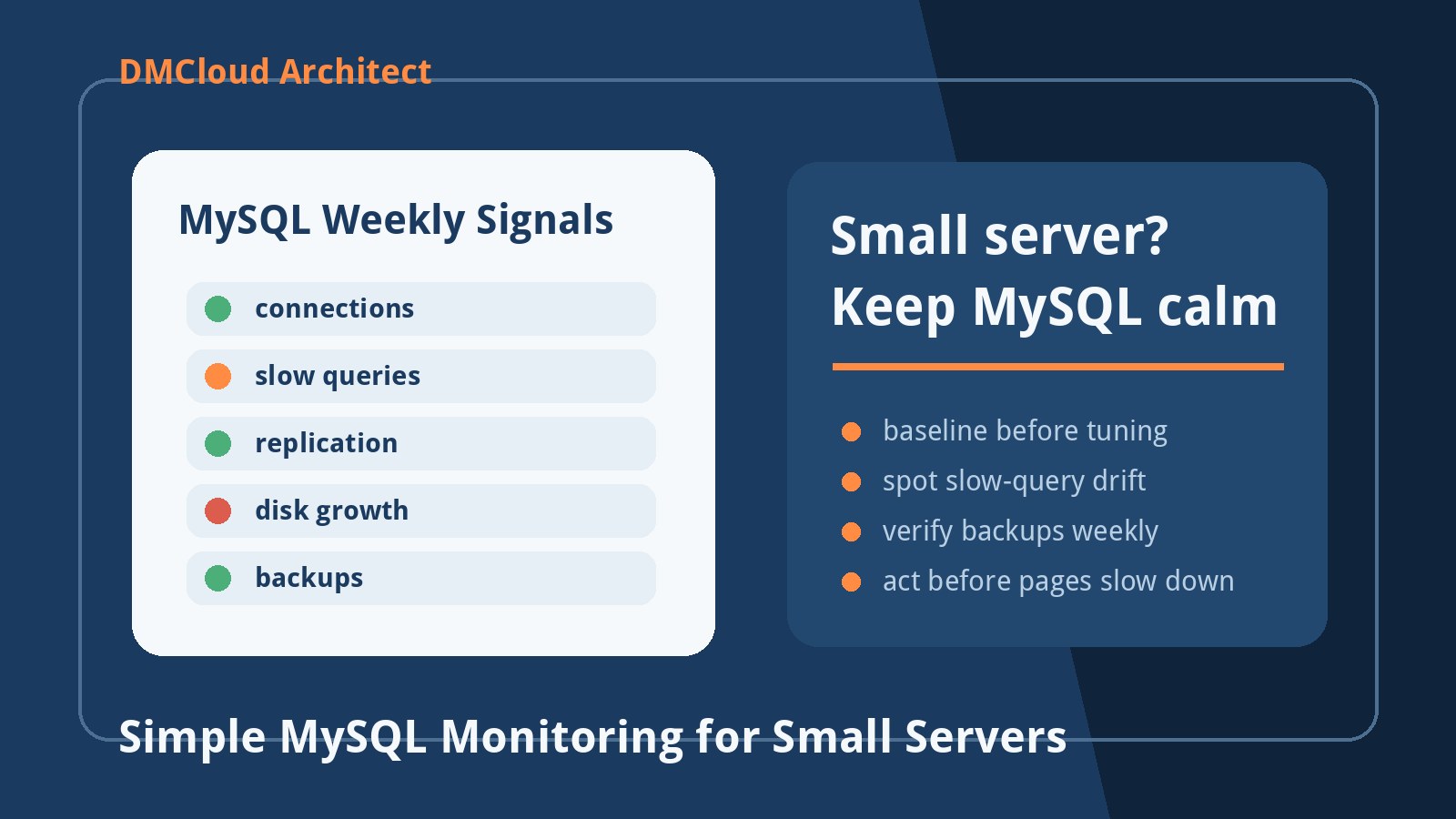
Small MySQL servers do not need dashboard overload, but they do need a short list of weekly checks that catch problems before customers notice. This guide explains the practical signals to track, including slow queries, connection pressure, disk growth, backups, and replication health. It is written for developers and small business owners who want useful MySQL monitoring without building a full operations team.

Read More