Blog - Tag: linux server monitoring

Persistent Linux Remote Desktop Sessions: A Small Business Checklist

Persistent Linux Remote Desktop Sessions: A Small Business Checklist

Jul 10, 2026    Mariusz Antonik    Security    7 min read

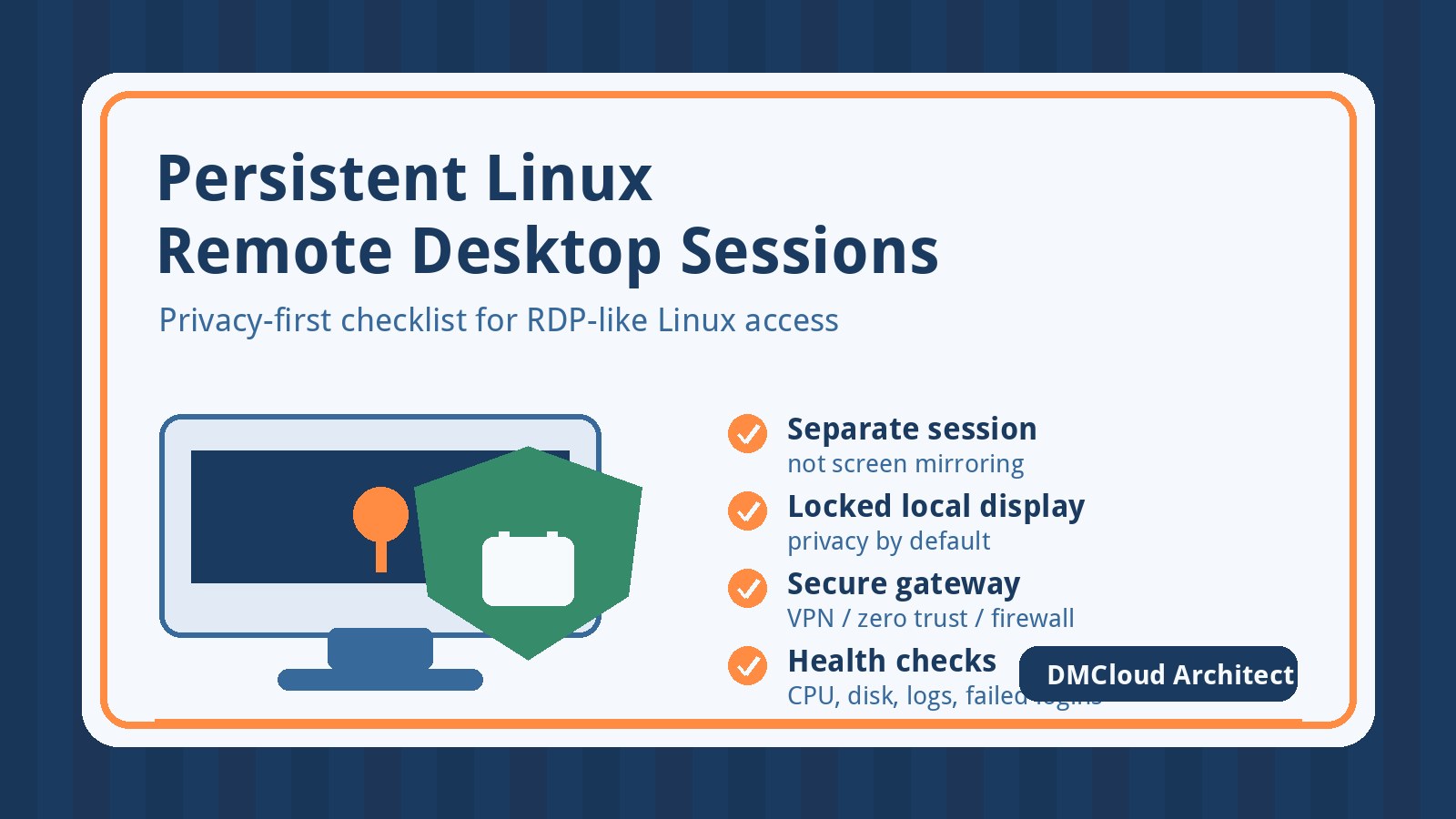
Moving from Windows RDP to Linux desktop support is not just a tooling choice. Small teams need persistent GUI sessions, a locked local display, secure access controls, and enough monitoring to know the workstation or jump host remains healthy. This checklist explains the practical options and the operational checks to put in place before relying on remote Linux desktop sessions for daily work.

Read More
Linux Server Monitoring Checklist Before You Hire Backend or DevOps Help

Linux Server Monitoring Checklist Before You Hire Backend or DevOps Help

Jul 08, 2026    Mariusz Antonik    Automation    6 min read

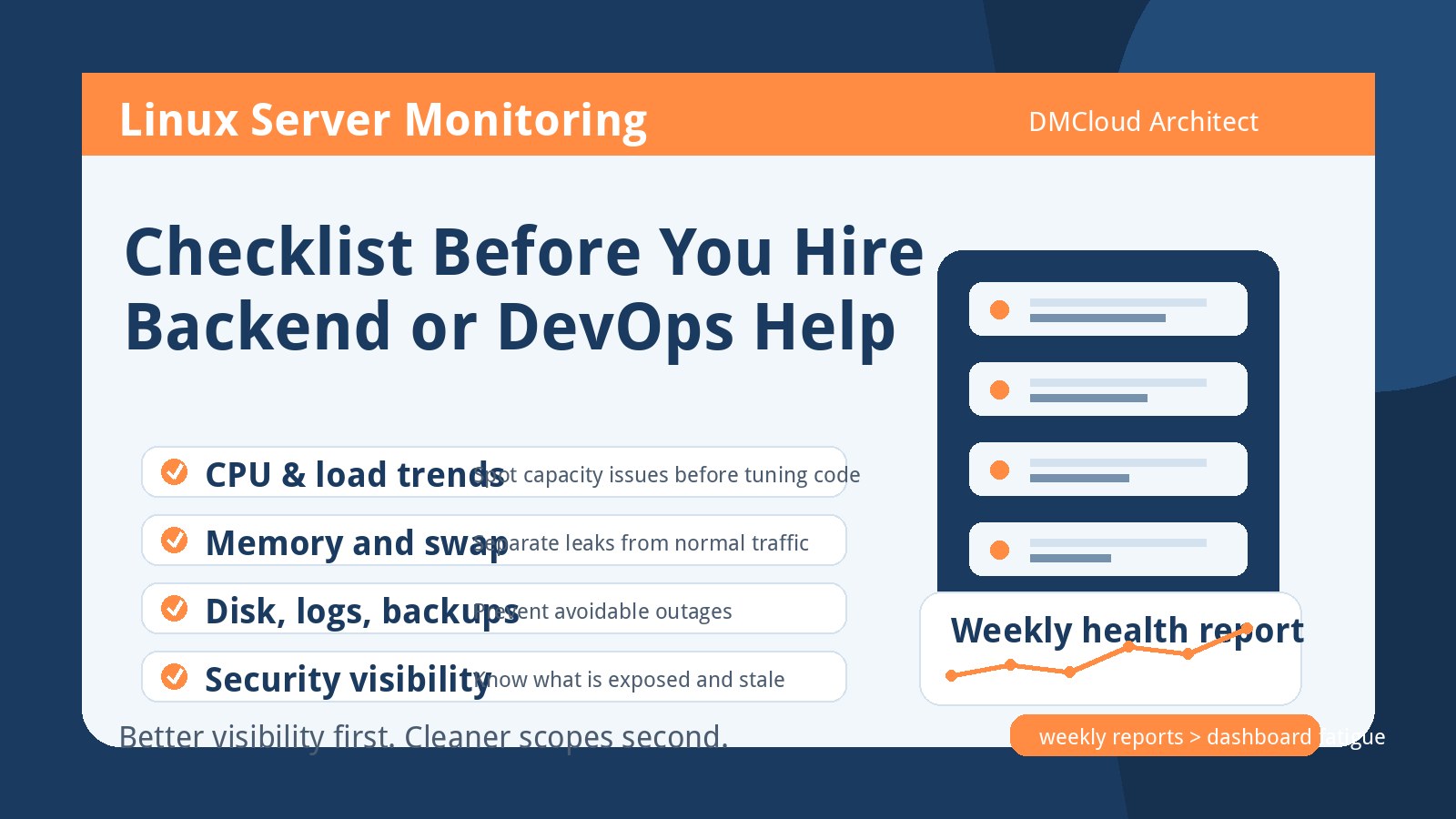
When a small team needs backend, DevOps, or AI infrastructure help, the fastest win is often better visibility into the Linux servers already running production. This checklist helps you separate urgent engineering work from routine monitoring gaps, so you can hire specialists for the right reasons. Use it to review CPU, memory, disk, logs, security, and backup signals before committing to a monthly engagement or a new dashboard project.

Read More
Linux Fleet Ops Interview Prep: Real Scenarios Every Admin Should Know

Linux Fleet Ops Interview Prep: Real Scenarios Every Admin Should Know

Jul 06, 2026    Mariusz Antonik    Automation    7 min read

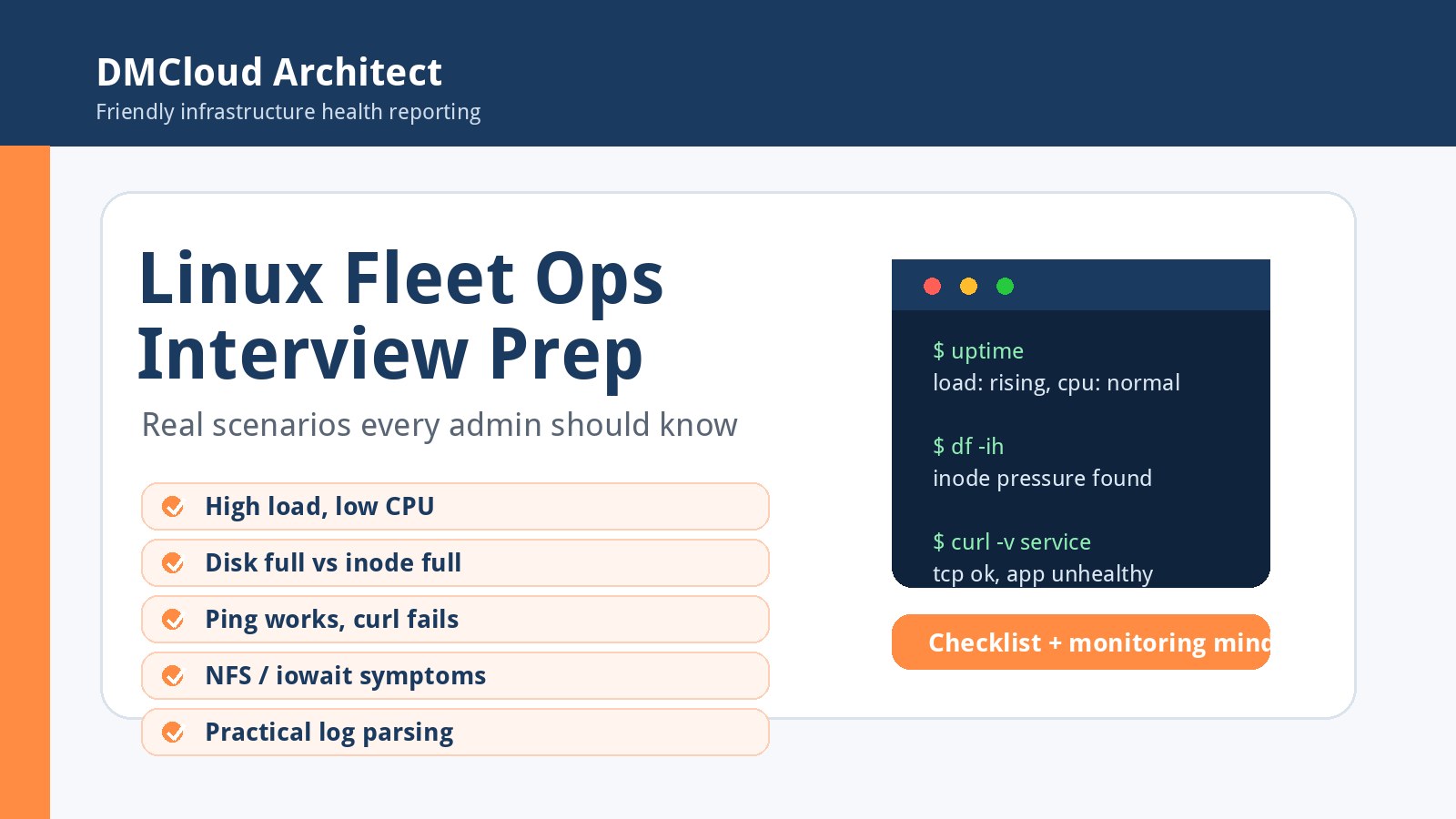
Preparing for an early-career Linux or fleet operations interview is easier when you focus on practical scenarios instead of memorizing commands. This checklist covers the Linux, networking, storage, scripting, and monitoring situations that show real operational judgment. Use it to practice explaining what you would check first, what evidence matters, and when dashboards or weekly reports can support faster troubleshooting.

Read More
Long-Term Linux Log Retention Checklist for Busy Production Servers

Long-Term Linux Log Retention Checklist for Busy Production Servers

Jul 04, 2026    Mariusz Antonik    Automation    6 min read

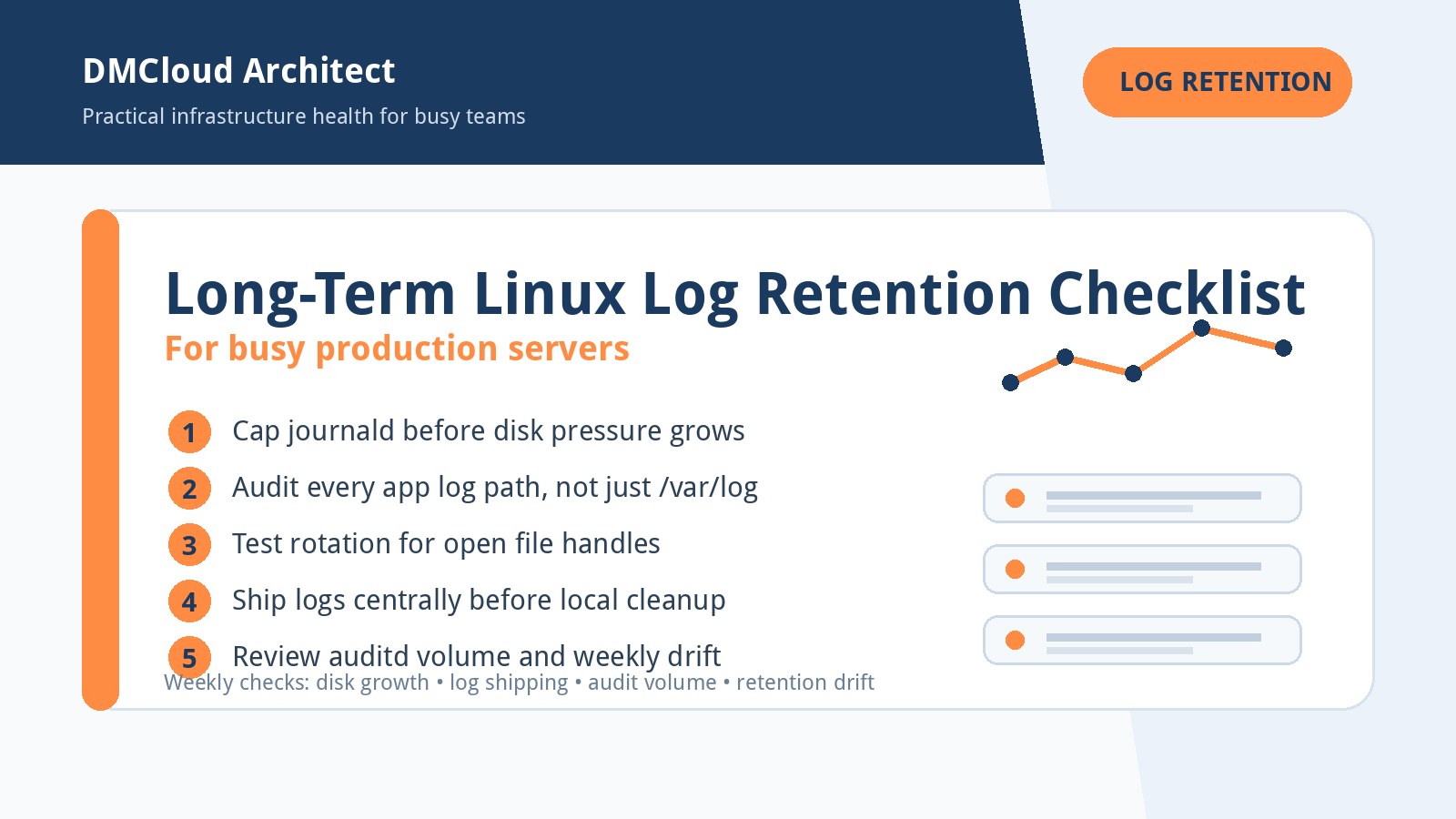
Busy production Linux servers need log retention rules that protect disk space without erasing the evidence teams need later. This checklist shows how to combine journald limits, logrotate hygiene, central shipping, archival storage, audit log controls, and weekly review signals. Use it to make linux server monitoring more predictable as traffic and compliance needs grow.

Read More
Linux Log Management Checklist for Growing Server Fleets

Linux Log Management Checklist for Growing Server Fleets

Jul 02, 2026    Mariusz Antonik    Automation    8 min read

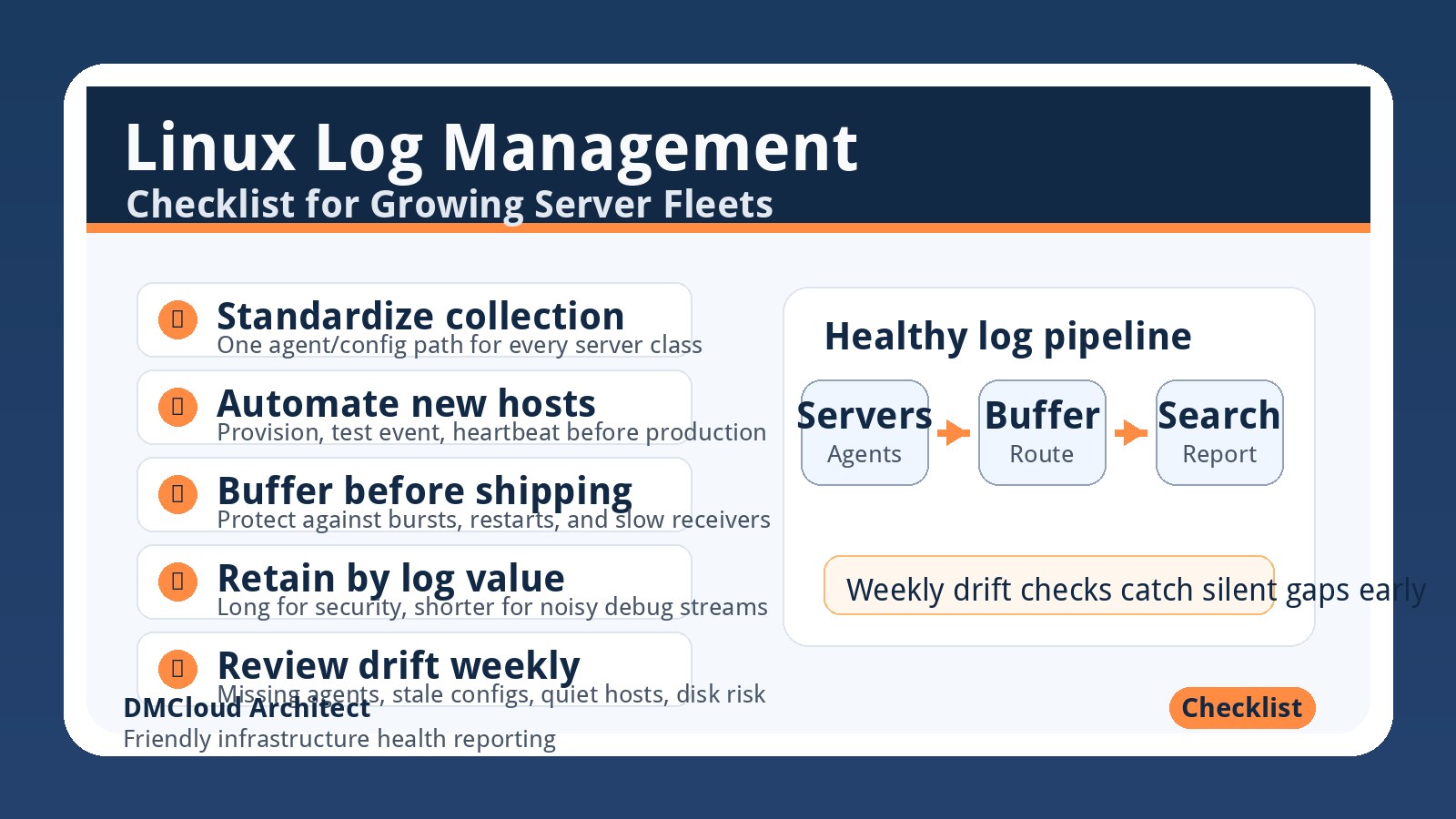
Growing Linux server fleets often outgrow host-by-host rsyslog and logrotate long before a full observability platform is ready. This checklist helps developers and small business infrastructure teams standardize collection, buffering, retention, rollout checks, and weekly drift reviews. Use it to make linux server monitoring calmer, more consistent, and easier to improve one step at a time.

Read More
Loki vs Vector vs Elasticsearch for Linux Server Monitoring: A Practical Small Fleet Guide

Loki vs Vector vs Elasticsearch for Linux Server Monitoring: A Practical Small Fleet Guide

Jun 30, 2026    Mariusz Antonik    Automation    9 min read

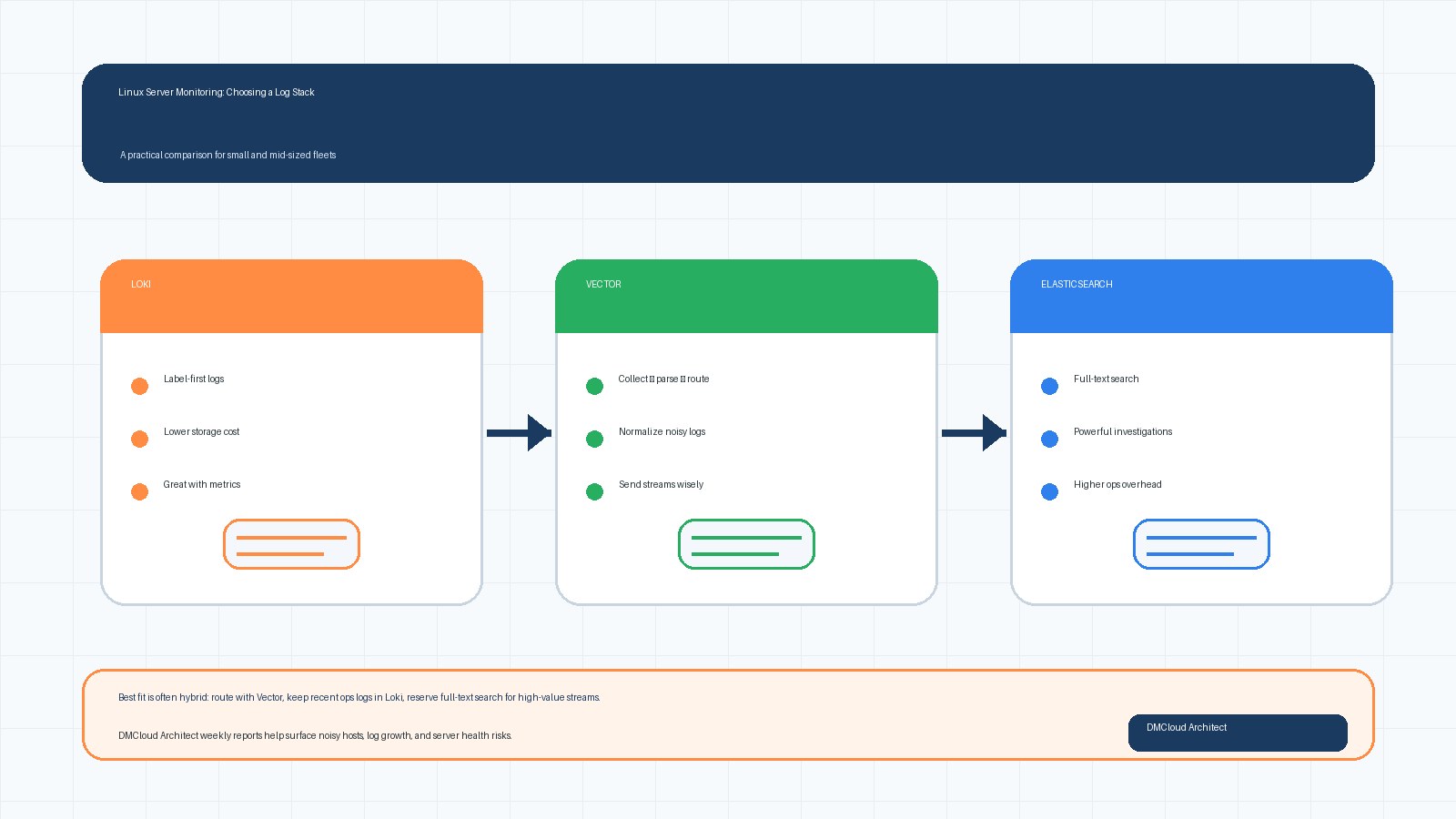
Growing Linux fleets often outgrow a simple rsyslog-to-Elasticsearch setup once storage, parsing, and cluster maintenance become daily work. This practical comparison explains when Loki, Vector, Elasticsearch, or a hybrid pipeline makes sense for small and mid-sized teams. Use it to choose a logging architecture that supports incident response without turning linux server monitoring into another full-time platform project.

Read More
Cloud and Bot IP Allow Lists: How to Keep Server Access Rules Healthy

Cloud and Bot IP Allow Lists: How to Keep Server Access Rules Healthy

Jun 28, 2026    Mariusz Antonik    Security    7 min read

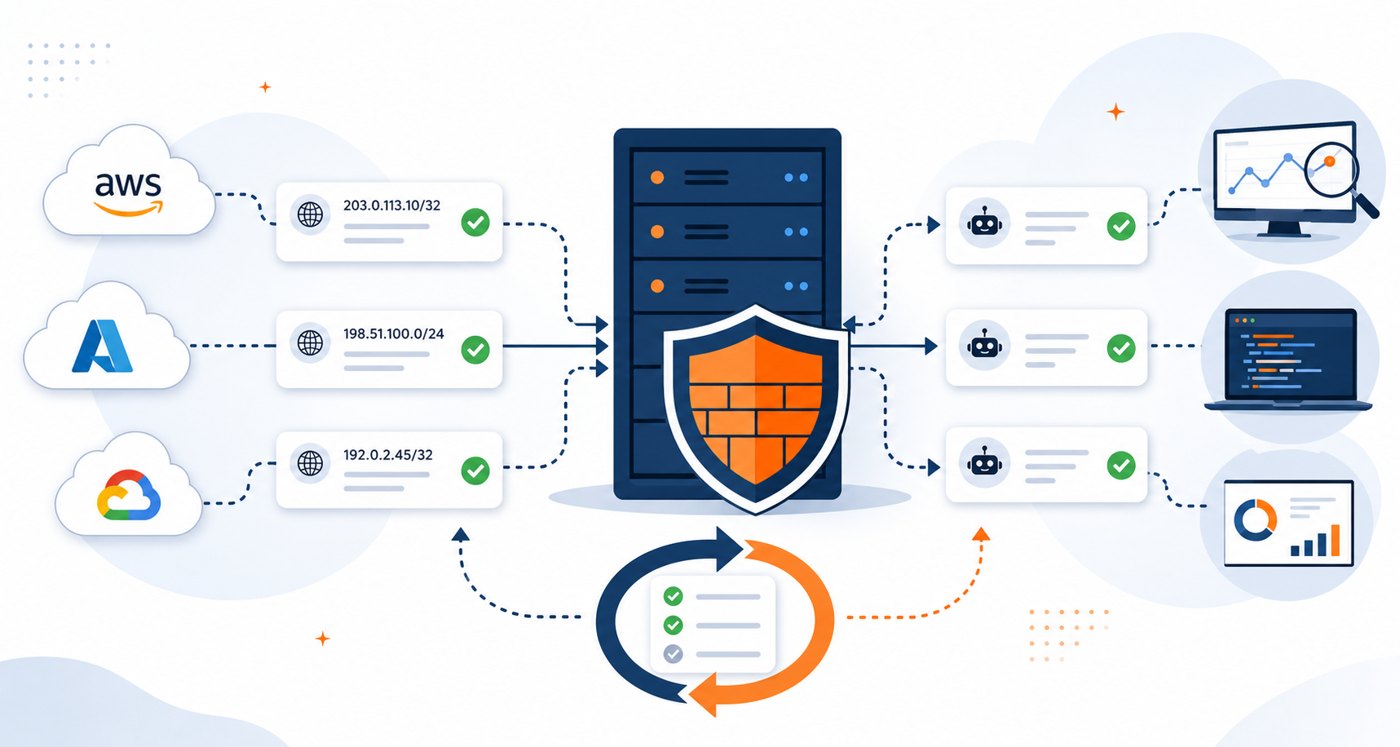
Auto-updated cloud and bot IP allow lists can save time, but they should not become blind production changes. This checklist explains how to keep Linux server access rules healthy with source review, staged rollout, validation, rollback, and weekly monitoring. Use it to reduce lockout risk while keeping trusted providers and uptime checks working.

Read More
Lightweight Linux Monitoring That Actually Works

Lightweight Linux Monitoring That Actually Works

Apr 26, 2026    Mariusz Antonik    Linux Server Monitoring    4 min read

Lightweight Linux monitoring focuses on clarity instead of complexity. This guide explains how to track essential metrics, identify trends, and avoid alert fatigue using simple monitoring setups. Learn how to detect issues early by focusing on long-term system behavior rather than reactive alerts. A practical approach for small teams managing real infrastructure.

Read More
Simple Linux Monitoring That Actually Works

Simple Linux Monitoring That Actually Works

Apr 17, 2026    Mariusz Antonik    Linux Server Monitoring    4 min read

Simple Linux monitoring focuses on trends instead of alerts, helping you understand how your systems behave over time. This article breaks down what to monitor, how to keep it lightweight, and why simplicity leads to better visibility. You’ll also see real-world examples of how small signals reveal bigger problems. If you're overwhelmed by noisy tools, this approach offers a practical alternative.

Read More
Linux Monitoring Tools: Practical Guide for Small Teams

Linux Monitoring Tools: Practical Guide for Small Teams

Apr 09, 2026    Mariusz Antonik    Linux Server Monitoring    4 min read

Linux monitoring tools help teams understand how server performance changes over time, not just when things break. This guide explains practical monitoring approaches for CPU, memory, disk, and MySQL. Learn how to avoid alert fatigue and focus on meaningful trends. Discover a lightweight strategy that works for small teams.

Read More