Blog - Tag: server health

Monitoring for Lean Teams: A Practical Server Health System Without Dashboard Fatigue

Monitoring for Lean Teams: A Practical Server Health System Without Dashboard Fatigue

Oct 06, 2026    Mariusz Antonik    Automation    6 min read

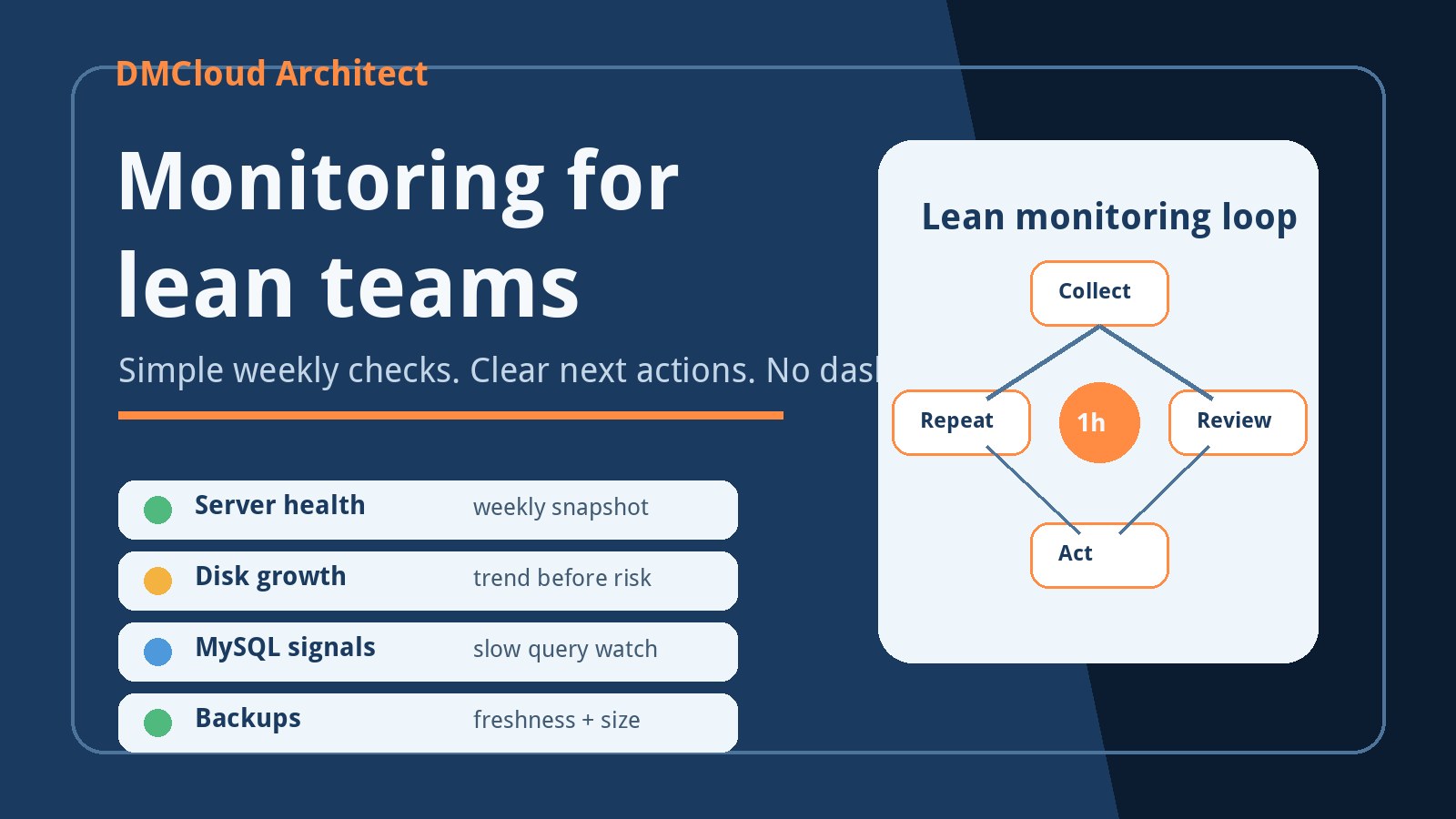
Monitoring for lean teams works best when it reduces noise instead of adding another dashboard to watch. This guide shows how small development and business teams can build a simple weekly server health rhythm around Linux, MySQL, backups, disk growth, and clear next actions. Use it to keep infrastructure visible without turning monitoring into a second job.

Read More
Disk Monitoring Without Tools: A Practical Linux Checklist for Small Teams

Disk Monitoring Without Tools: A Practical Linux Checklist for Small Teams

Oct 04, 2026    Mariusz Antonik    Automation    6 min read

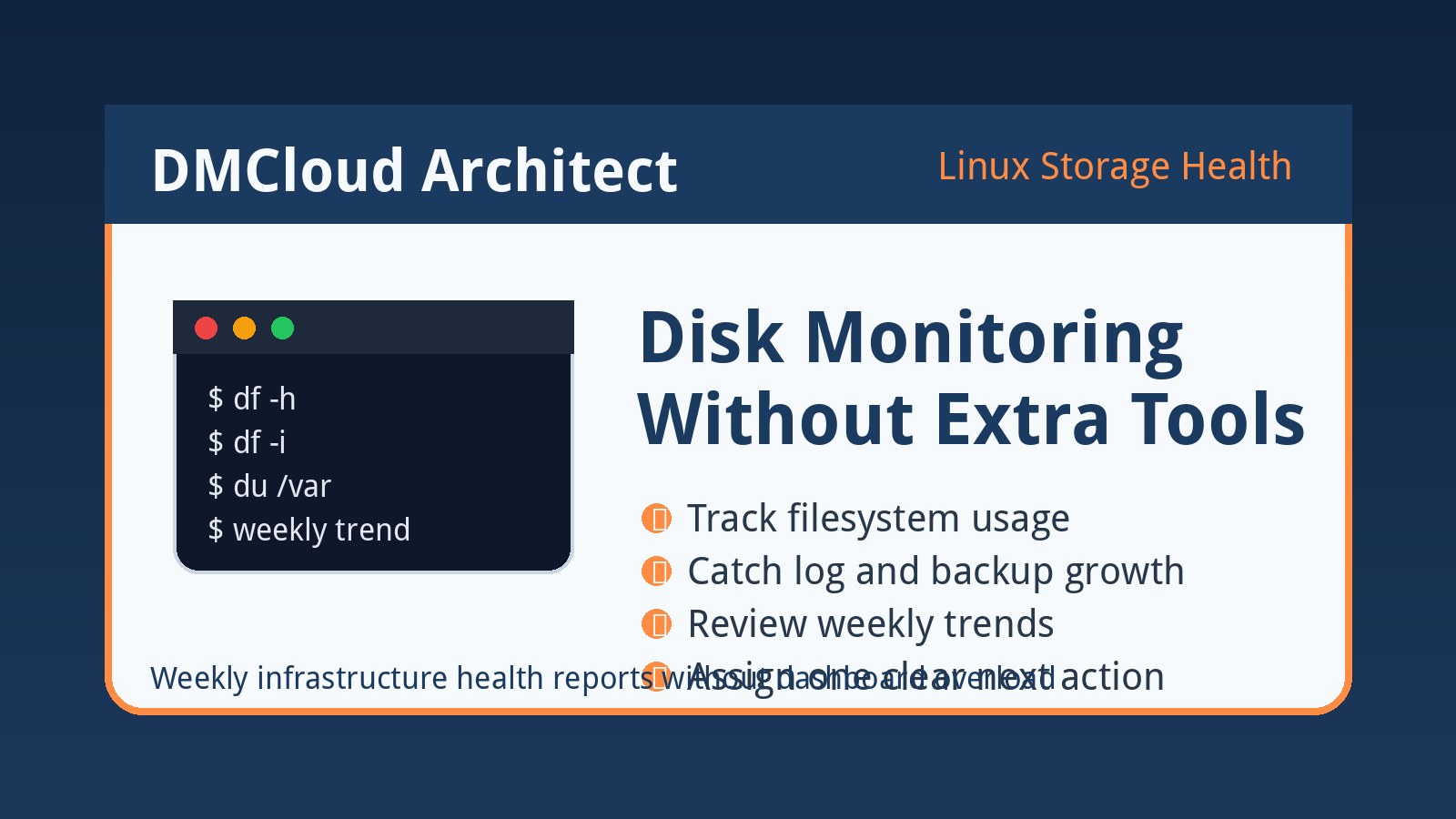
Disk monitoring without tools is possible when you record the right Linux signals every week. This guide shows a practical checklist for filesystem usage, growth rate, logs, databases, backups, and simple cron-based checks. Use it to catch disk risk early without adding another dashboard to a small team’s workload.

Read More
iproute2 vs rtnetlink: A Linux Networking Checklist for Monitoring Agents

iproute2 vs rtnetlink: A Linux Networking Checklist for Monitoring Agents

Oct 03, 2026    Mariusz Antonik    Networking    6 min read

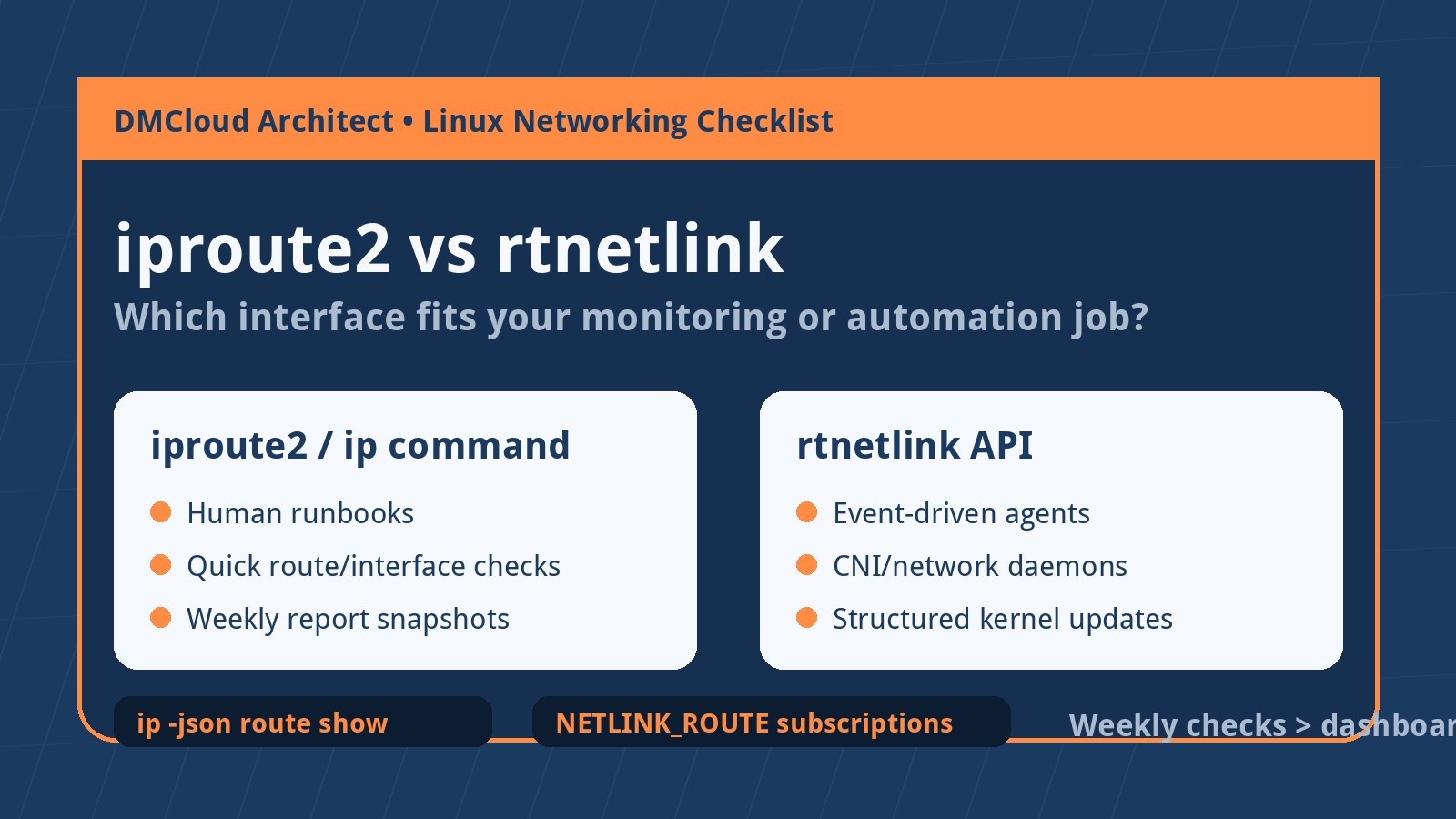
Most Linux teams should use iproute2 for one-off checks and human operations, then reach for rtnetlink when they need event-driven network state, safer automation, or custom agents. This checklist explains the practical difference between the ip command and the kernel's route netlink API for developers and small business infrastructure teams. It also shows where linux server monitoring can stay simple with weekly health reports instead of another noisy dashboard.

Read More
Storage Growth Tracking Linux: How to Spot Disk Risk Before It Becomes an Outage

Storage Growth Tracking Linux: How to Spot Disk Risk Before It Becomes an Outage

Oct 02, 2026    Mariusz Antonik    Automation    7 min read

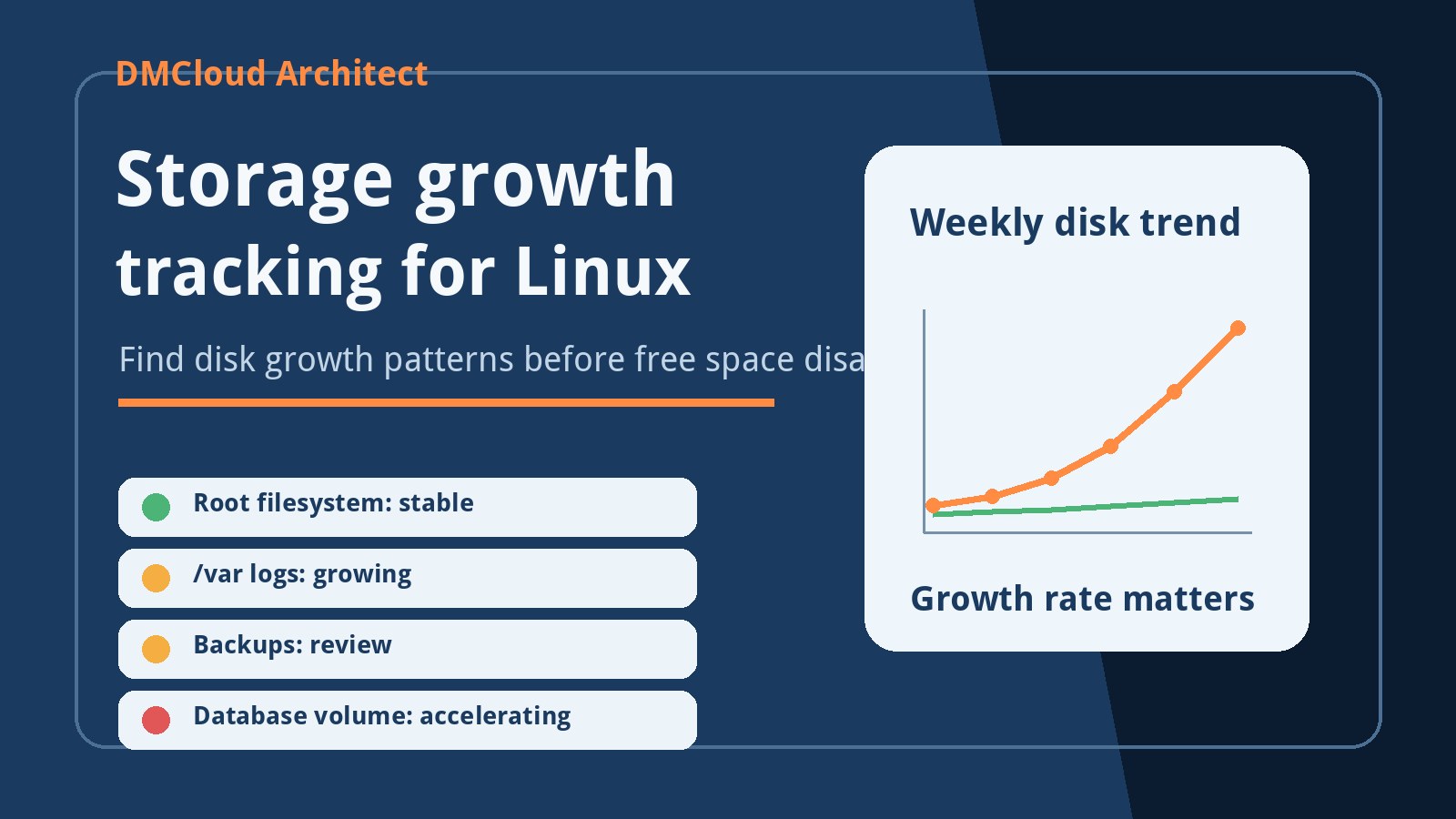
Storage growth tracking on Linux helps small teams see disk risk before a server runs out of space. This guide explains how to measure disk usage trends, growth rate, log expansion, database files, backups, and alert thresholds over time. Use it to turn weekly server checks into clear storage decisions instead of last-minute cleanup during an outage.

Read More
Invoice Line Items for Freelance Sysadmins: A Practical Server Work Checklist

Invoice Line Items for Freelance Sysadmins: A Practical Server Work Checklist

Oct 01, 2026    Mariusz Antonik    Automation    6 min read

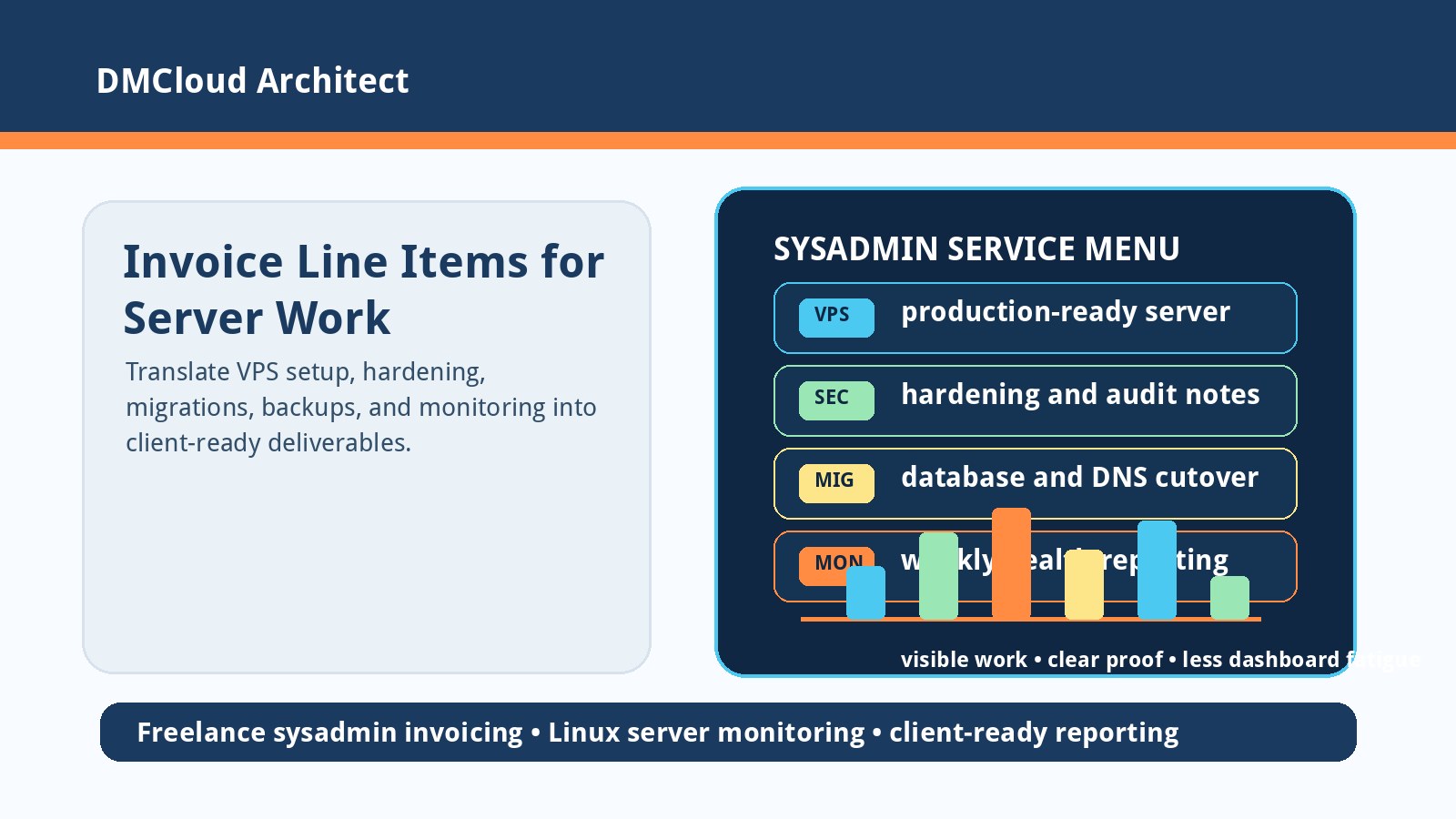
Freelance sysadmin work is easier to bill when clients can see the business result behind each technical task. This checklist turns VPS setup, security hardening, DNS, SSL, backups, database migration, and linux server monitoring into plain-language invoice line items. It helps developers and small business owners document proof, reduce awkward billing conversations, and position weekly server health reporting as ongoing care.

Read More
MySQL Resource Trends: How to Spot Slow Performance Drift Early

MySQL Resource Trends: How to Spot Slow Performance Drift Early

Sep 30, 2026    Mariusz Antonik    Database    7 min read

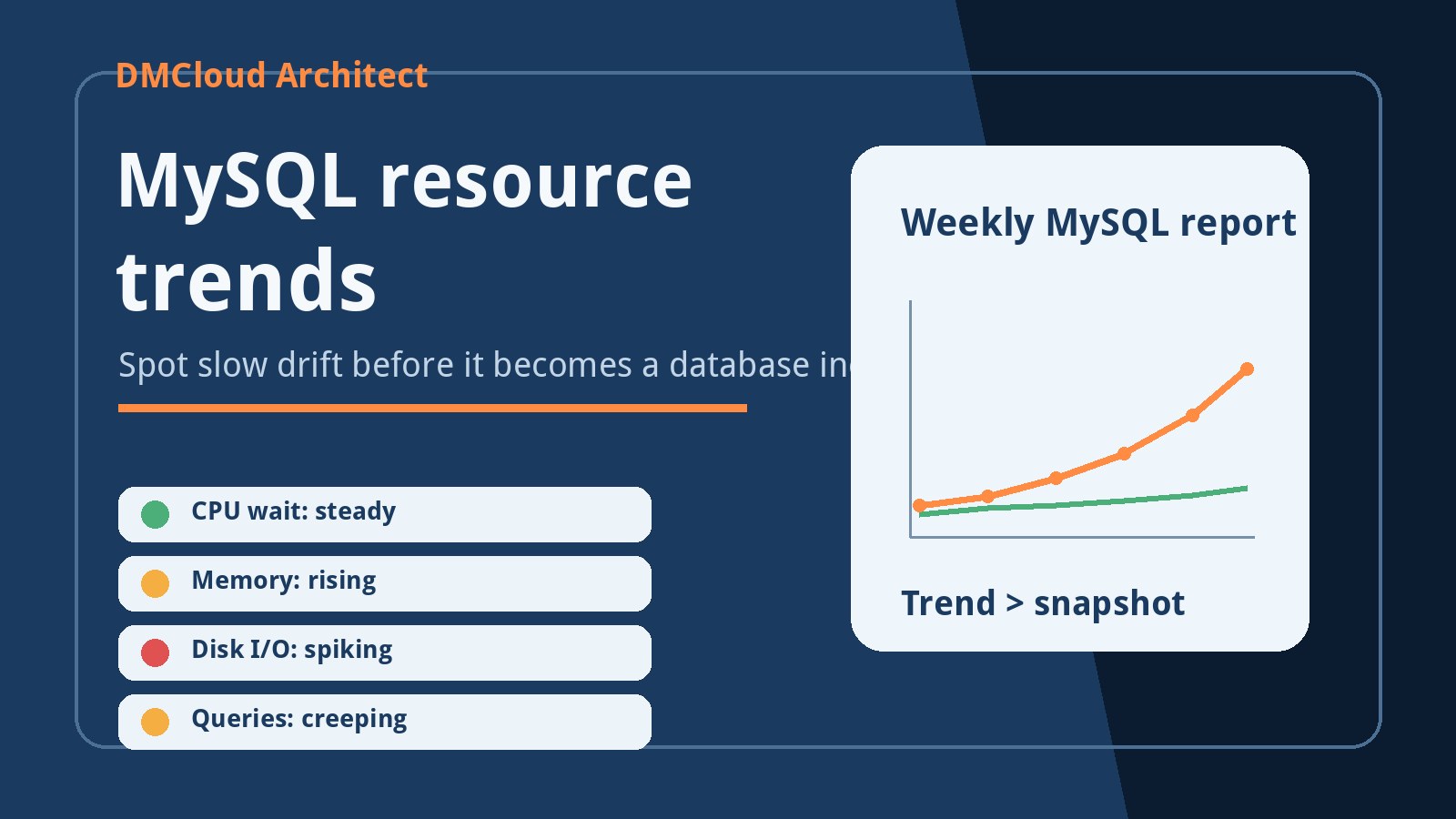
MySQL resource trends help small teams see slow performance drift before customers feel it. This guide explains how to compare CPU, memory, disk I/O, connections, slow queries, and table growth over time instead of reacting to one noisy snapshot. Use it to build a practical weekly database health routine that flags risk early and turns MySQL monitoring into clear next actions.

Read More
Primary DNS Migration Checklist for CentOS 7 to Oracle Linux 9

Primary DNS Migration Checklist for CentOS 7 to Oracle Linux 9

Sep 29, 2026    Mariusz Antonik    Networking    7 min read

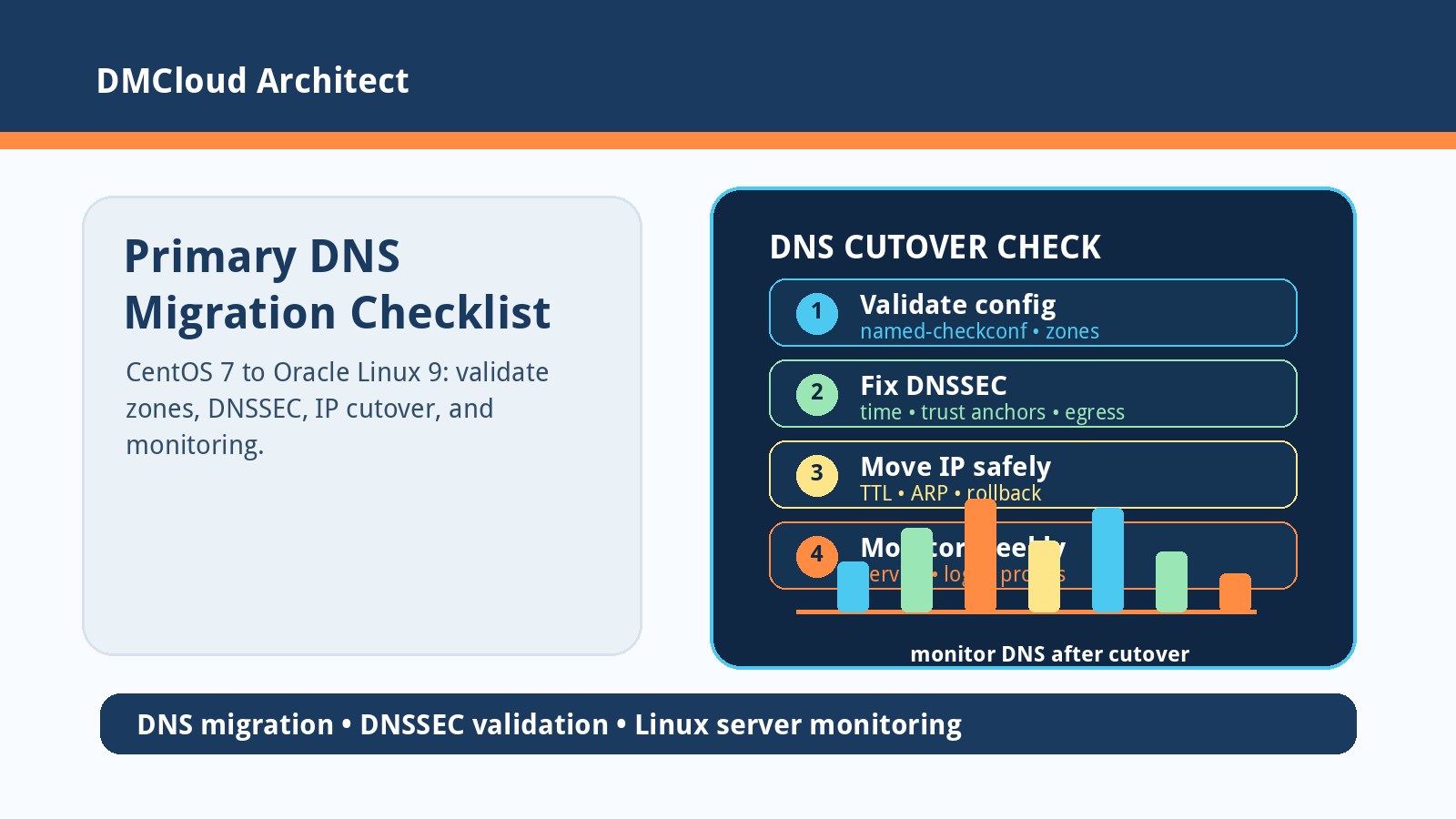
A primary DNS migration from CentOS 7 to Oracle Linux 9 needs more than copying named.conf and zone files. This checklist explains how to validate zones, troubleshoot DNSSEC DS signature errors, plan the shared-IP cutover, and monitor service health after the move. It gives developers and small business owners a practical path for safer DNS changes without another dashboard to watch.

Read More
Disk Alert Before Full Linux: Catch Storage Problems Before Downtime

Disk Alert Before Full Linux: Catch Storage Problems Before Downtime

Sep 28, 2026    Mariusz Antonik    Automation    7 min read

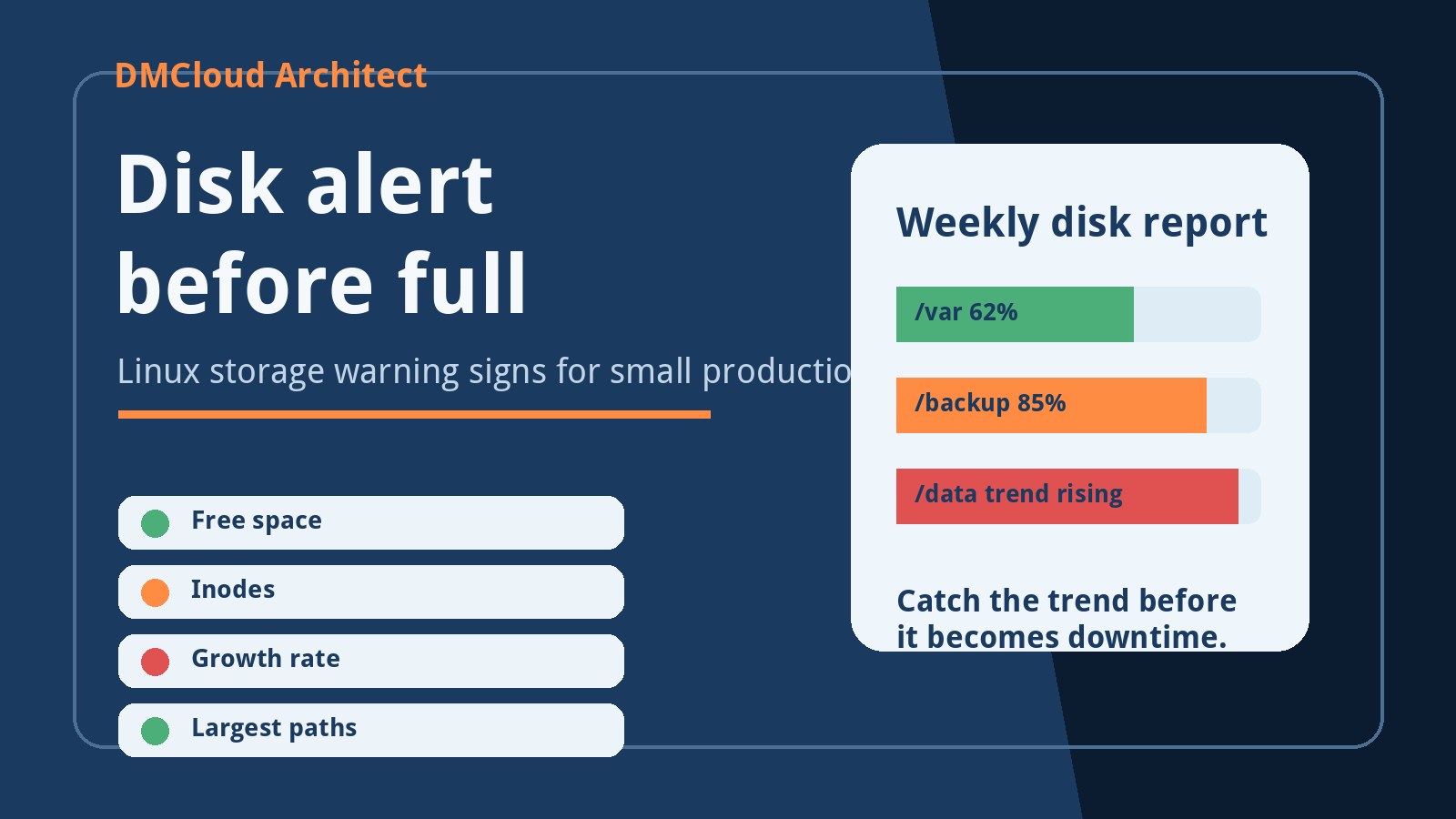
A Linux server rarely fills its disk without leaving warning signs first. This guide explains how developers and small business owners can create a practical disk alert before full Linux routine using free space, inode, growth-rate, and directory-size checks. The goal is to catch storage risk early, prevent avoidable outages, and turn disk health into a short weekly action report.

Read More
Linux Samba Server and Client Checklist for Small Business File Shares

Linux Samba Server and Client Checklist for Small Business File Shares

Sep 14, 2026    Mariusz Antonik    Automation    7 min read

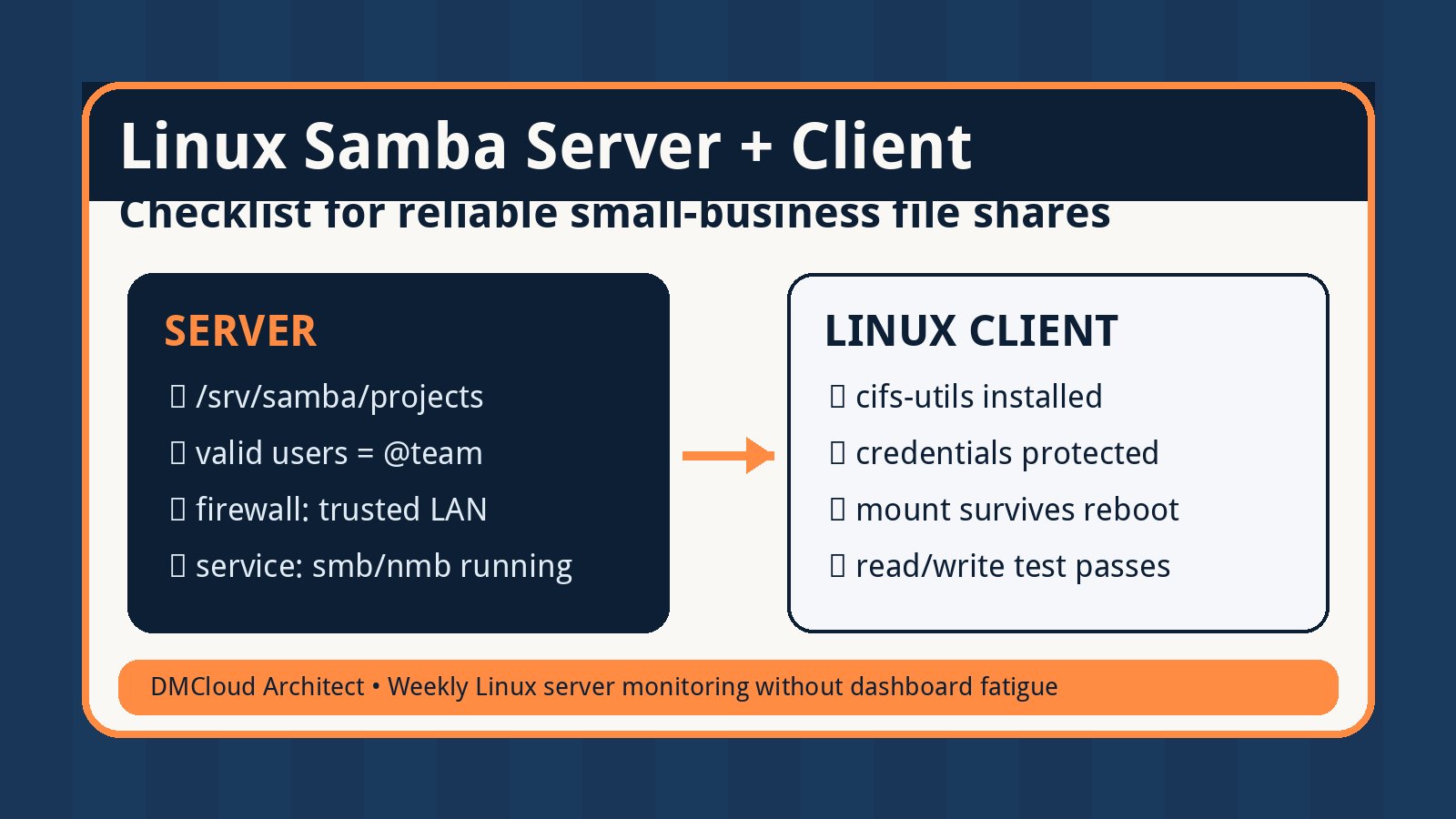
A Samba file share can look simple until Linux clients, user permissions, firewalls, and name resolution all meet in production. This checklist walks through the safe setup path: define the share, configure server permissions, connect Linux clients, test access, and watch the health signals that catch problems early. It is written for developers and small business owners who need practical Linux file sharing without turning the server into another dashboard to babysit.

Read More
MySQL Slow Query Troubleshooting Checklist for Small Business Servers

MySQL Slow Query Troubleshooting Checklist for Small Business Servers

Sep 04, 2026    Mariusz Antonik    Database    7 min read

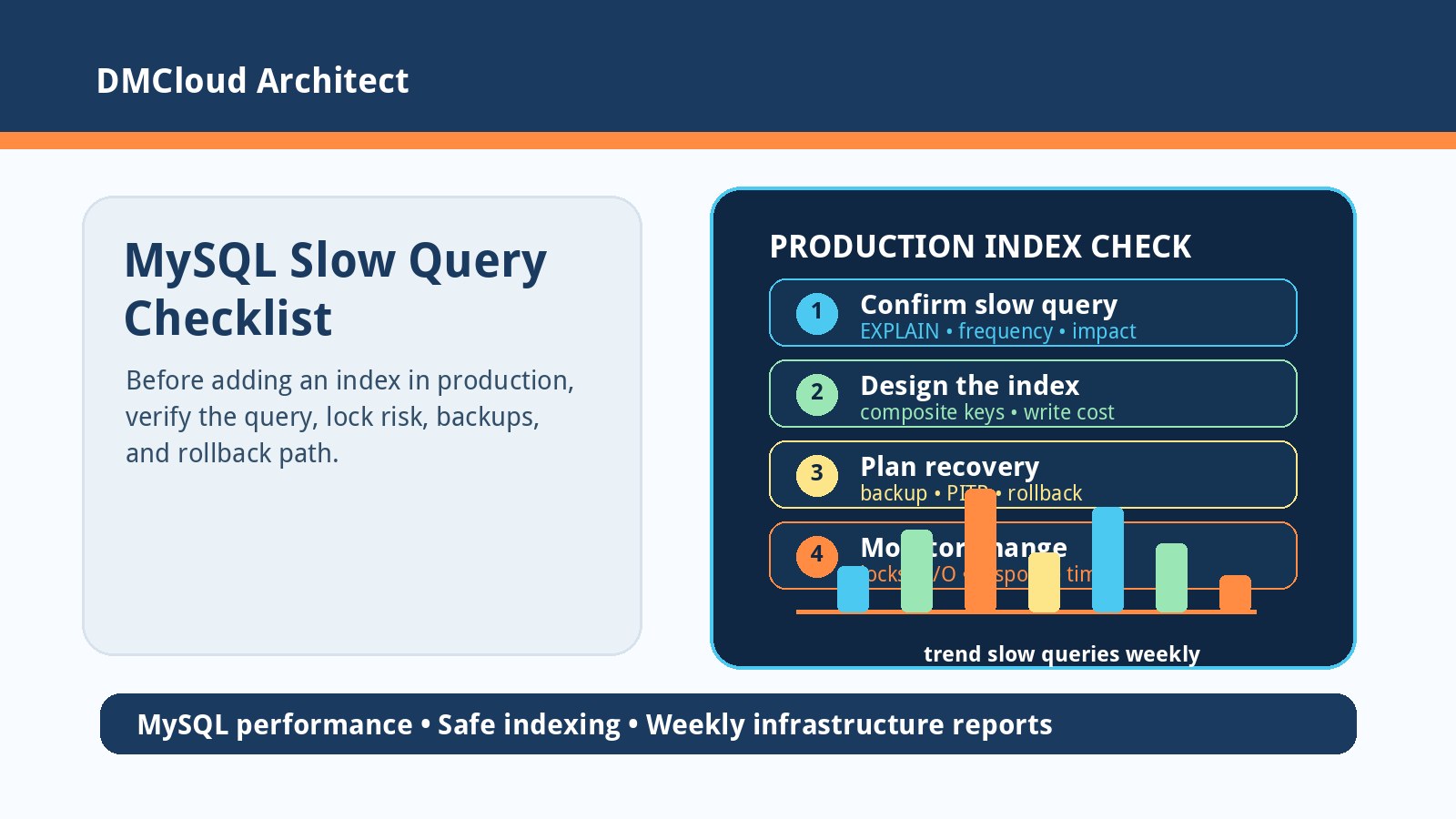
A MySQL slow query can often be improved with the right index, but production indexing should not be an improvised click in a database client. This checklist explains how to confirm the query plan, design a targeted index, test safely, understand locking, verify backups, and monitor the change. It gives developers and small business owners a practical procedure for reducing database risk without adding dashboard fatigue.

Read More