Blog

CPU Bottleneck Reporting on Linux: Detect Degradation Early

CPU Bottleneck Reporting on Linux: Detect Degradation Early

Nov 11, 2026    Mariusz Antonik    Automation    8 min read

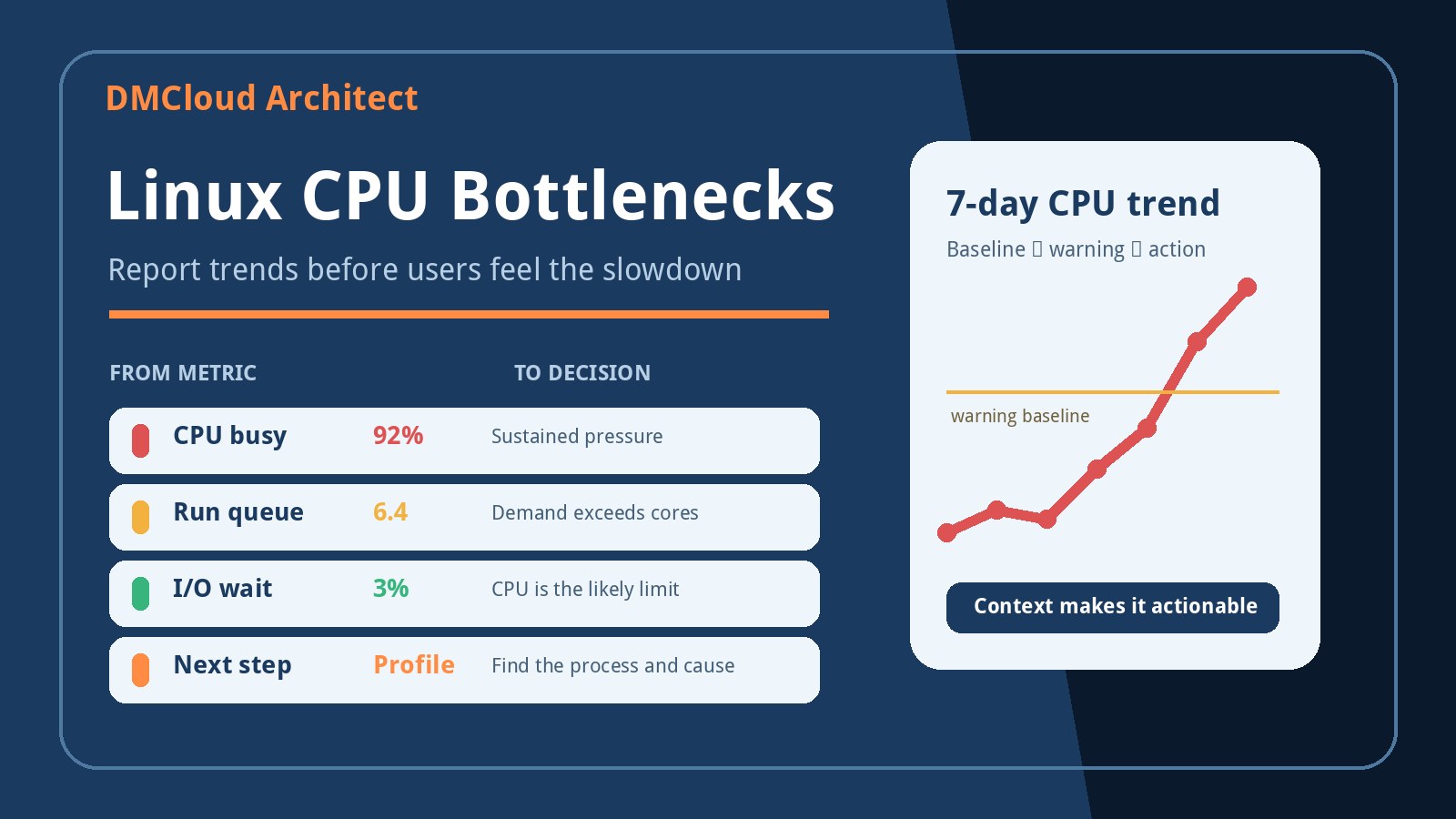
CPU bottleneck reporting on Linux should explain sustained pressure, not merely list a high utilization percentage. Combining CPU time, run-queue demand, load, process data, and workload context helps teams distinguish real saturation from harmless bursts. This guide shows how to build a concise report that detects degradation early and ends with a practical next action.

Read More
Disk Growth Warning Signs: A Weekly Linux Server Checklist

Disk Growth Warning Signs: A Weekly Linux Server Checklist

Nov 10, 2026    Mariusz Antonik    Automation    9 min read

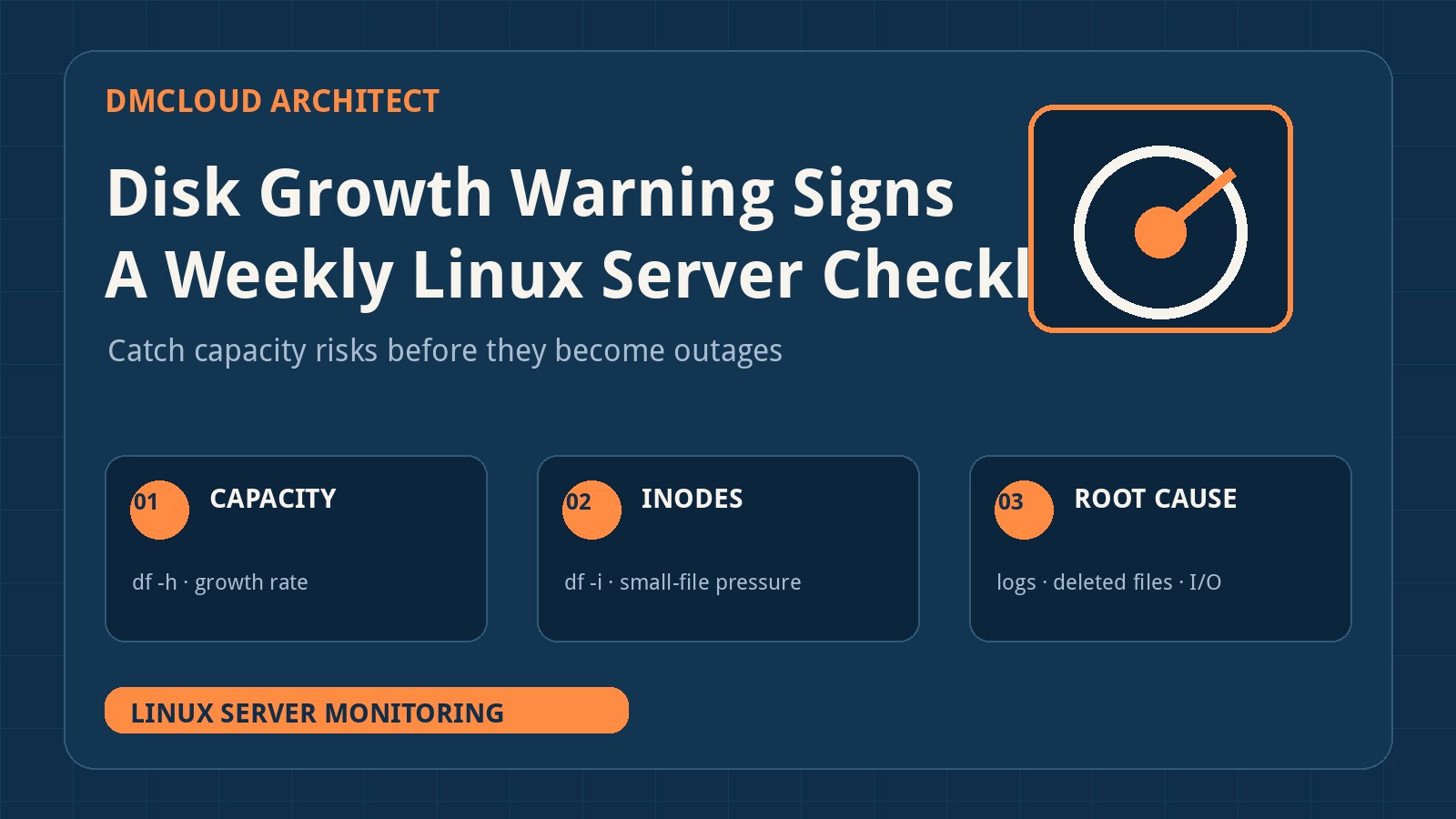
Disk incidents rarely begin with a completely full filesystem; they begin with a trend that nobody reviews. This weekly Linux server checklist shows how to check capacity, inode use, log growth, deleted-open files, and high-I/O processes before they cause downtime. It also explains which warning signs need immediate action and which belong in a measured cleanup plan. Use it as a lightweight Linux server monitoring routine for small fleets without adding another dashboard.

Read More
MySQL Health Check: A Practical Weekly Checklist

MySQL Health Check: A Practical Weekly Checklist

Nov 09, 2026    Mariusz Antonik    Database    8 min read

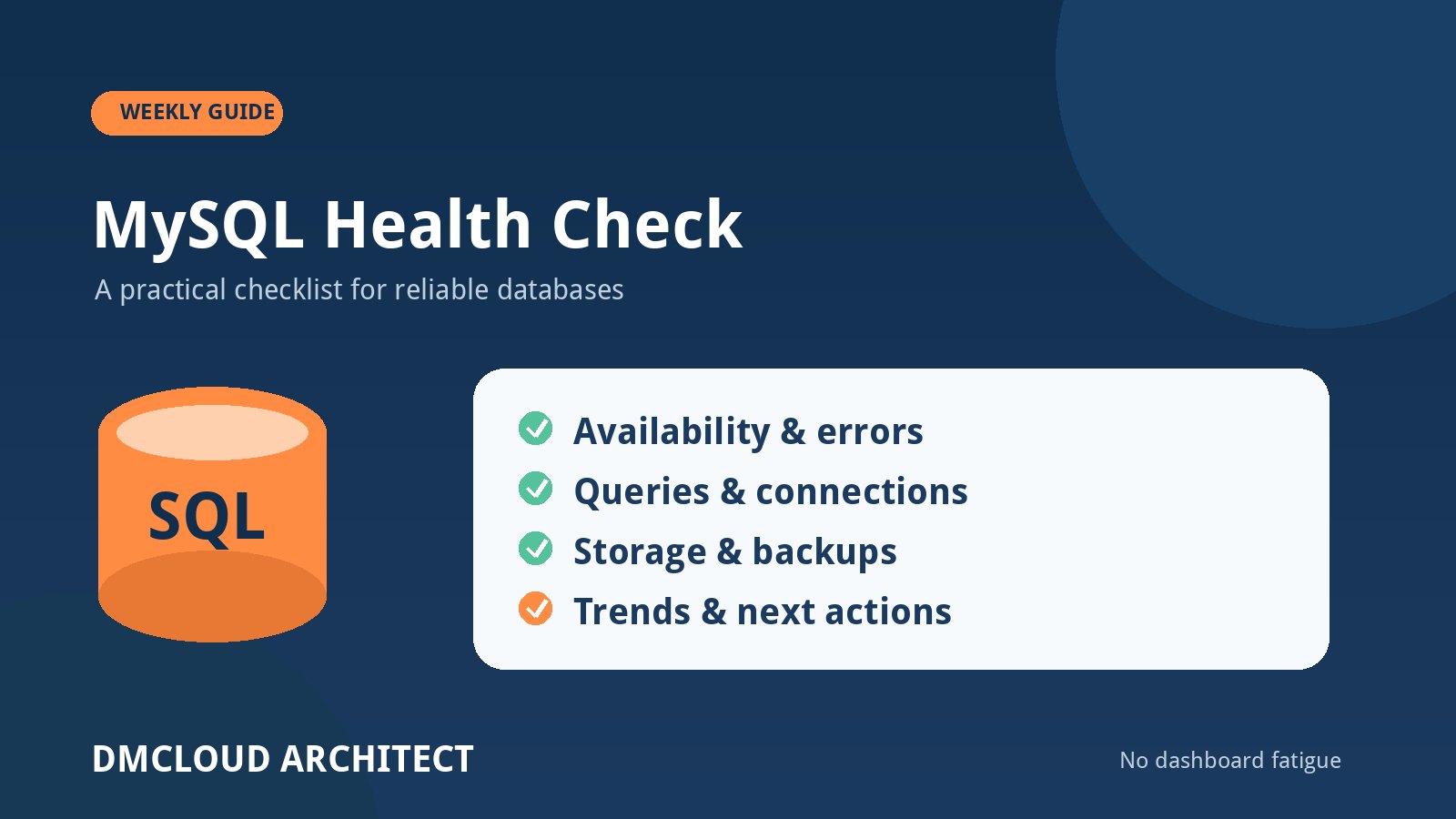
A MySQL health check should confirm more than whether the database service is running. A short weekly review of availability, connections, query performance, storage, backups, and recent changes can expose gradual risk before users notice it. This checklist gives developers and small teams a repeatable way to assess MySQL health without living in a monitoring dashboard.

Read More
CVE-2026-98432 Linux Server Checklist: Check, Patch, and Verify

CVE-2026-98432 Linux Server Checklist: Check, Patch, and Verify

Nov 08, 2026    Mariusz Antonik    Security    8 min read

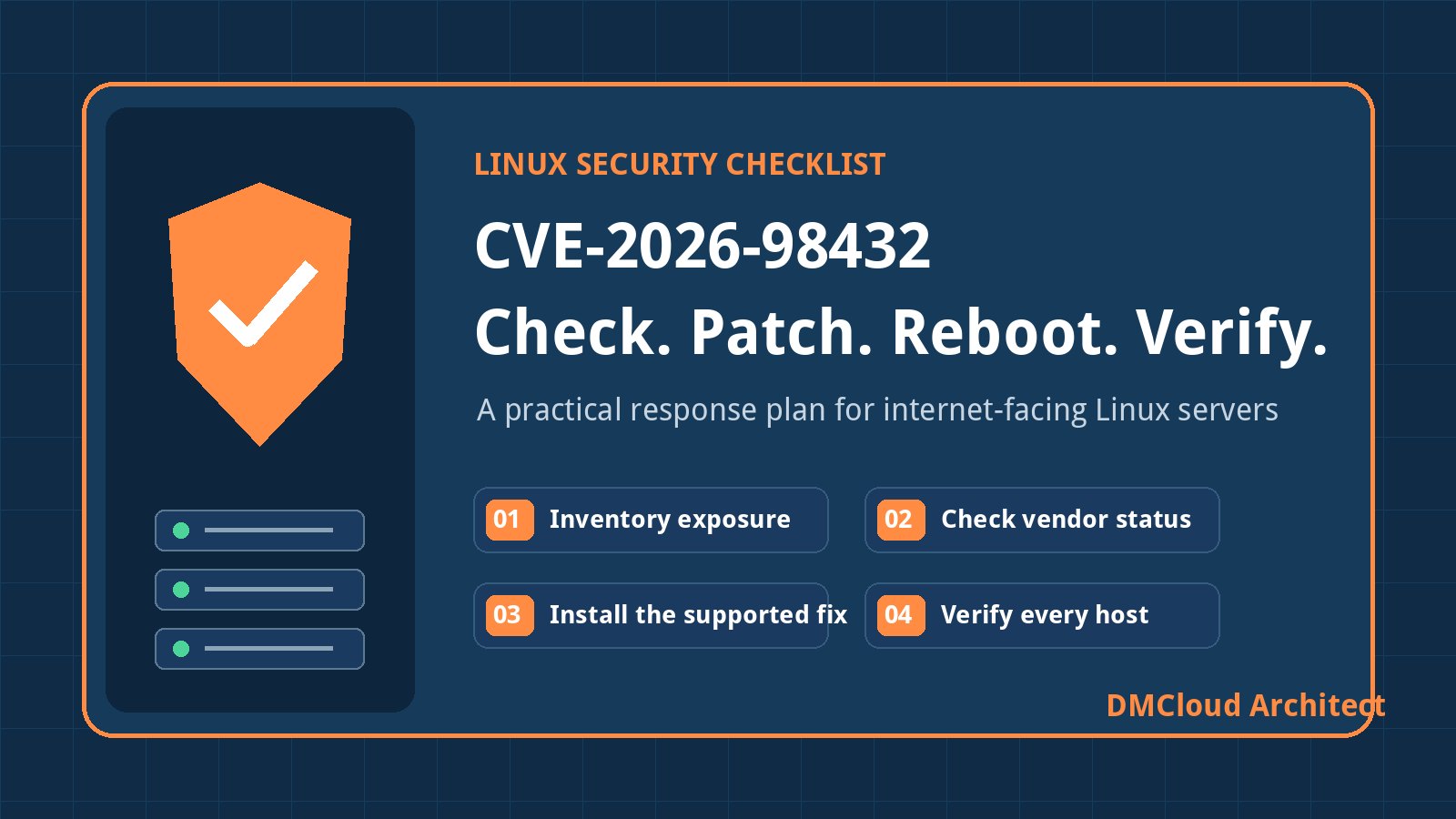
CVE-2026-98432 is a critical Linux kernel IPv4 TCP use-after-free vulnerability that deserves prompt review on internet-facing servers. This checklist shows how to inventory exposure, check the running kernel and MPTCP state, follow distribution-specific advisories, patch safely, reboot, and verify the result. It separates confirmed vendor information from unverified scanning reports and treats temporary mitigations as risk reduction rather than a replacement for updates. It also shows how Linux server monitoring can confirm that remediation remains in place across a small fleet.

Read More
MySQL Performance Visibility: Turn Metrics into Useful Trends

MySQL Performance Visibility: Turn Metrics into Useful Trends

Nov 07, 2026    Mariusz Antonik    Database    8 min read

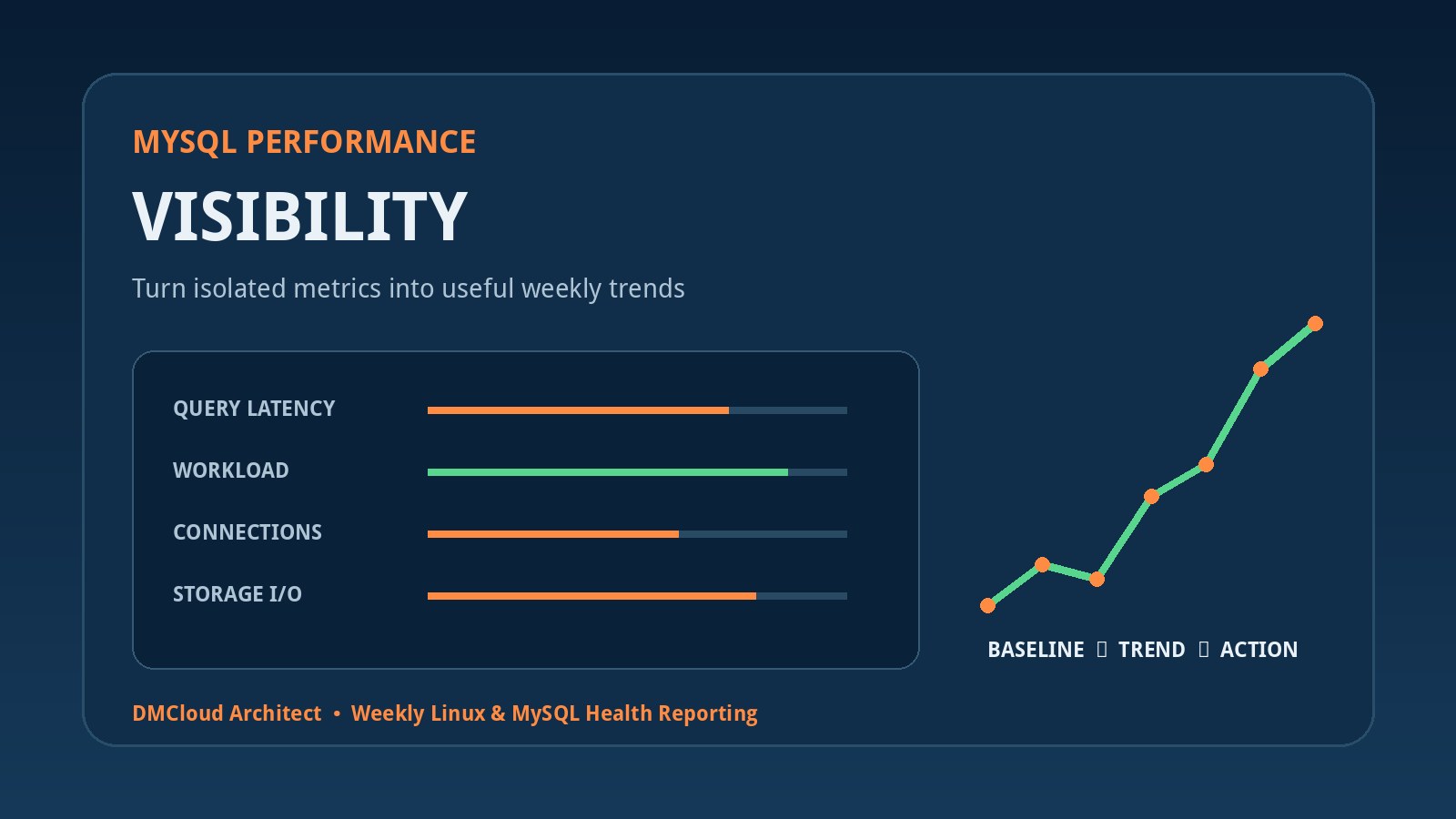
MySQL performance visibility comes from comparing a small set of reliable measurements over time, not collecting every available counter. A useful trend view connects workload, latency, connections, resource pressure, and database changes so gradual degradation becomes visible before users complain. This guide shows developers and small teams what to measure, how to build a baseline, and how to turn weekly trends into practical actions.

Read More
Is Your First Technical Support Job a Dead End? A Linux-to-DevOps Growth Checklist

Is Your First Technical Support Job a Dead End? A Linux-to-DevOps Growth Checklist

Nov 06, 2026    Mariusz Antonik    Automation    9 min read

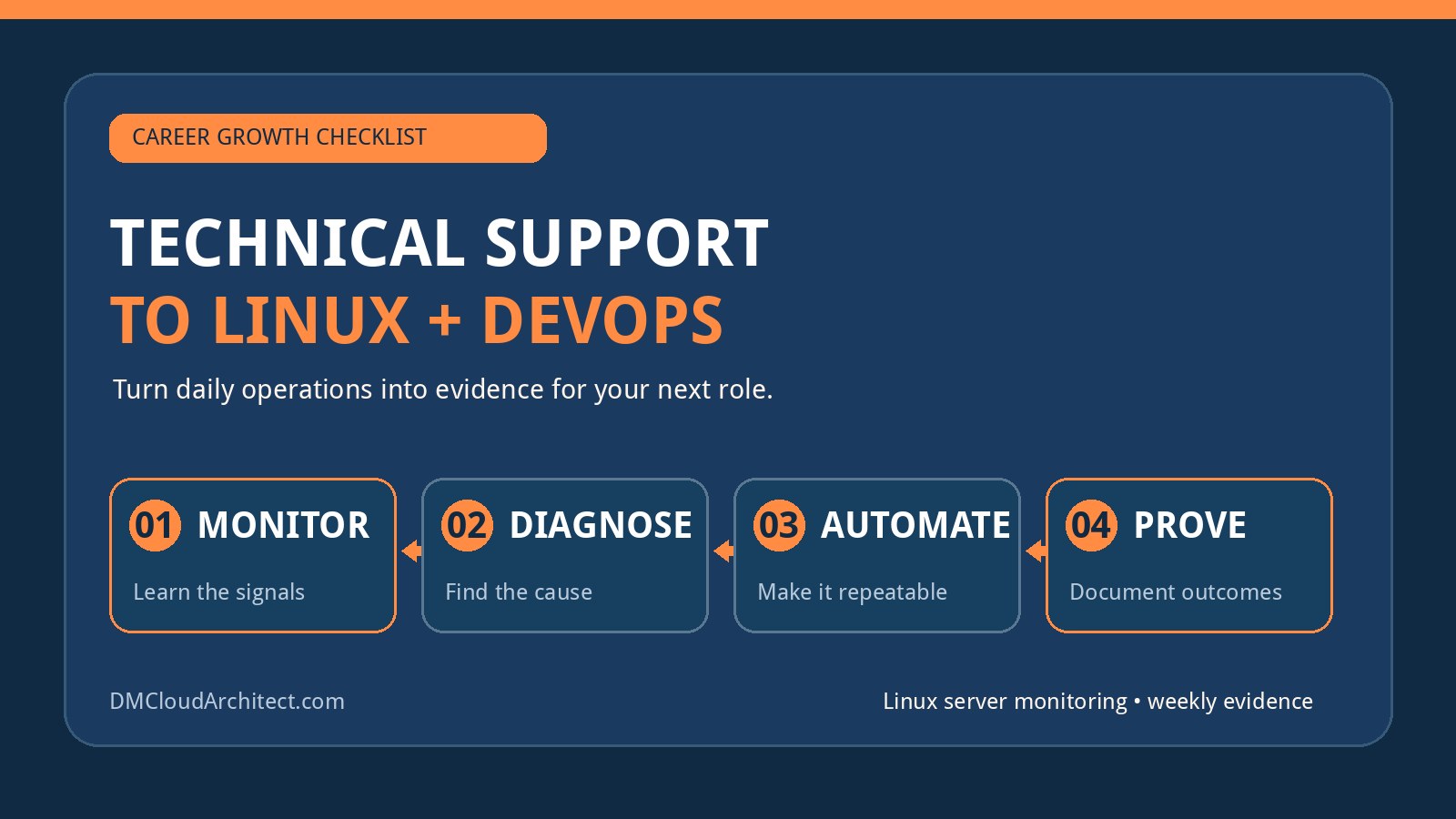
A first technical support job does not have to match your final career goal to be useful. Monitoring servers, maintaining databases, documenting incidents, and administering software can become credible Linux and DevOps experience when you deliberately build depth and evidence. This checklist helps you judge whether the role is still teaching you, identify warning signs, and create a practical 90-day growth plan. It also explains how to turn Linux server monitoring work into portfolio and interview material without exaggerating your responsibilities.

Read More
Small Business Server Monitoring: A Practical Weekly Plan

Small Business Server Monitoring: A Practical Weekly Plan

Nov 05, 2026    Mariusz Antonik    Automation    8 min read

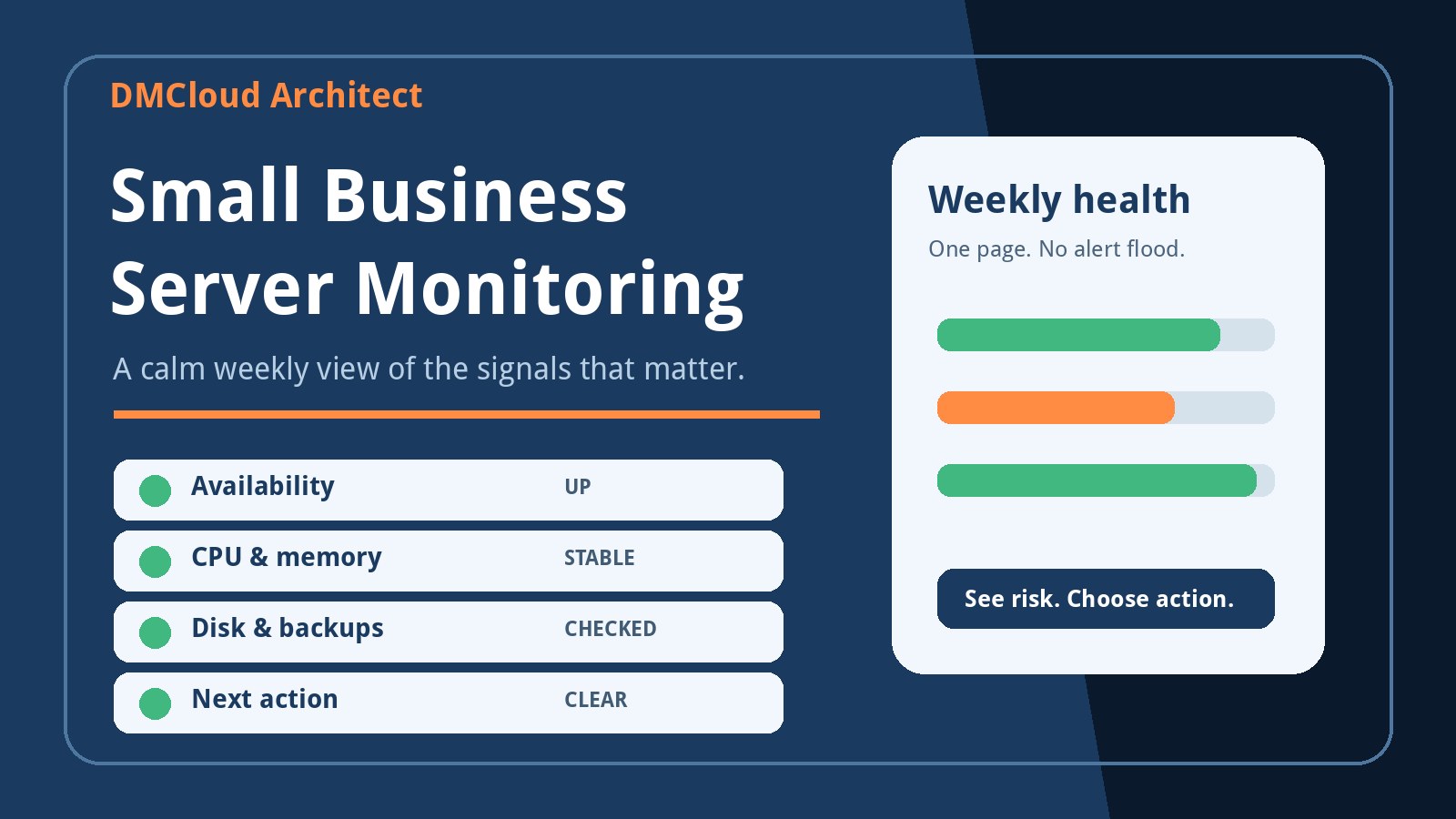
Small business server monitoring does not need a crowded dashboard or a full-time operations team. A focused weekly review can reveal availability, capacity, storage, backup, database, and security risks while there is still time to act. This guide explains which signals matter, how to set useful thresholds, and how to turn the results into a short action plan.

Read More
How Long Should You Keep an Old Linux Server? A Decommissioning Checklist

How Long Should You Keep an Old Linux Server? A Decommissioning Checklist

Nov 04, 2026    Mariusz Antonik    Automation    8 min read

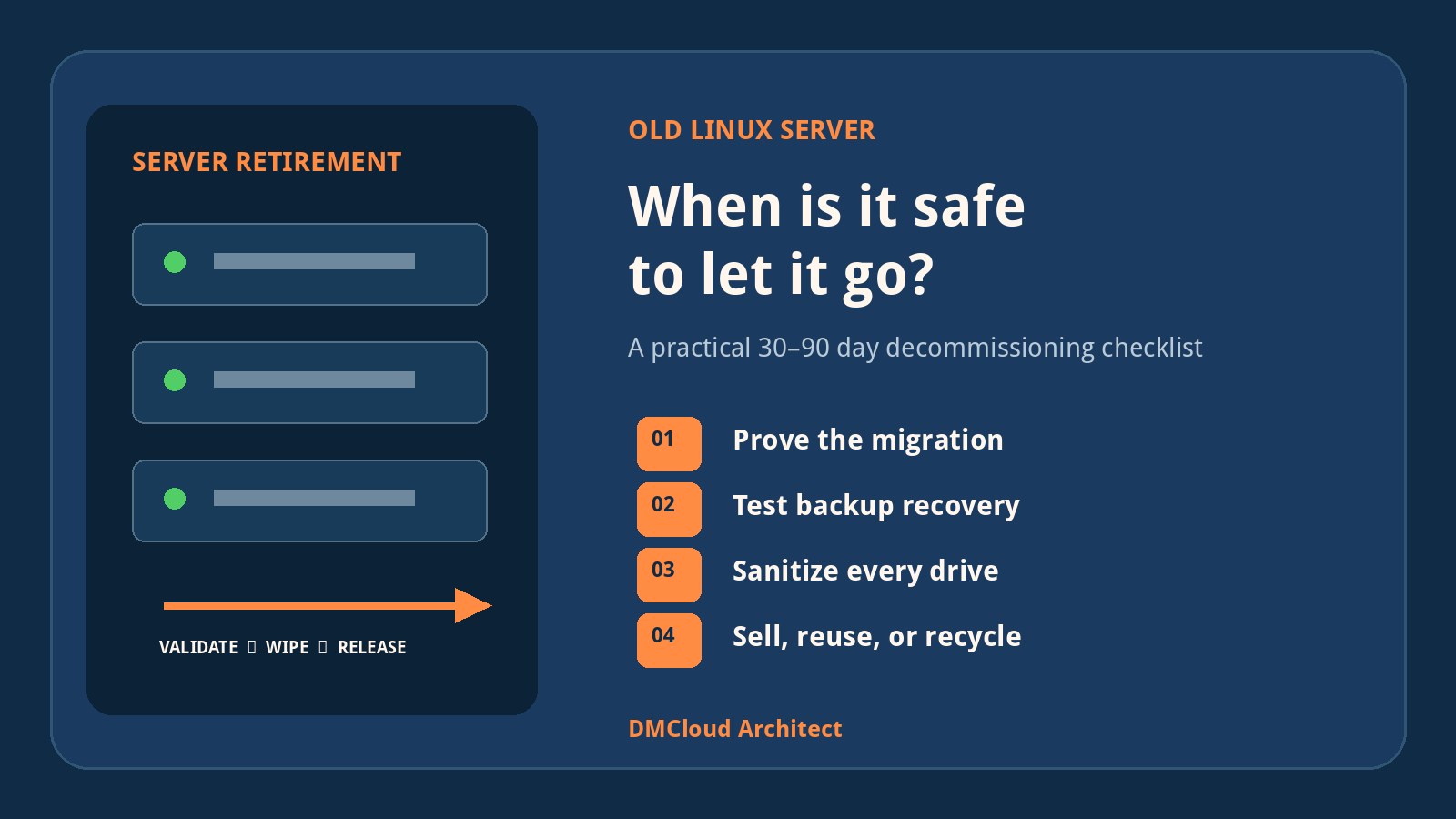
Keeping a retired server indefinitely feels safe, but it often preserves uncertainty rather than reducing risk. A short, evidence-based rollback window is usually more useful than a machine gathering dust for years. This checklist covers migration validation, Linux server monitoring, data sanitization, resale, recycling, and the records a small business should retain. It also provides a practical timetable for deciding when old hardware can leave the building.

Read More
CPU Monitoring Commands in Linux: A Practical Guide Without Heavy Tools

CPU Monitoring Commands in Linux: A Practical Guide Without Heavy Tools

Nov 03, 2026    Mariusz Antonik    Automation    9 min read

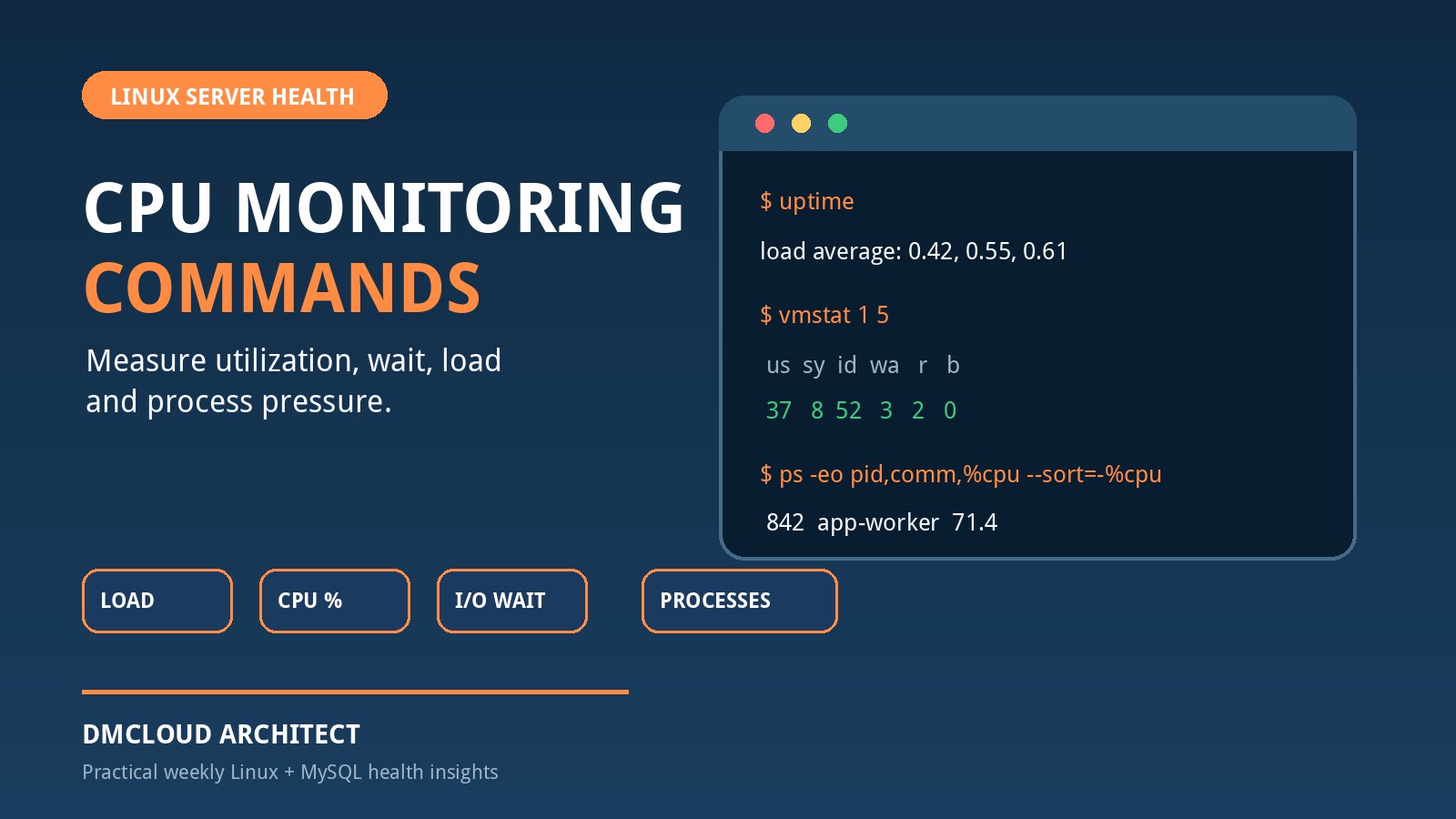
Linux includes enough CPU monitoring commands to diagnose most small-server slowdowns without installing a large observability stack. This guide shows how to read load, utilization, process, wait, and pressure signals with uptime, top, ps, vmstat, mpstat, pidstat, and /proc/stat. It also provides a lightweight Bash sampling pattern and a weekly review workflow for spotting sustained CPU pressure early.

Read More
Struggling With LPIC-1? A Practical Linux Study and Home Lab Checklist

Struggling With LPIC-1? A Practical Linux Study and Home Lab Checklist

Nov 02, 2026    Mariusz Antonik    Automation    10 min read

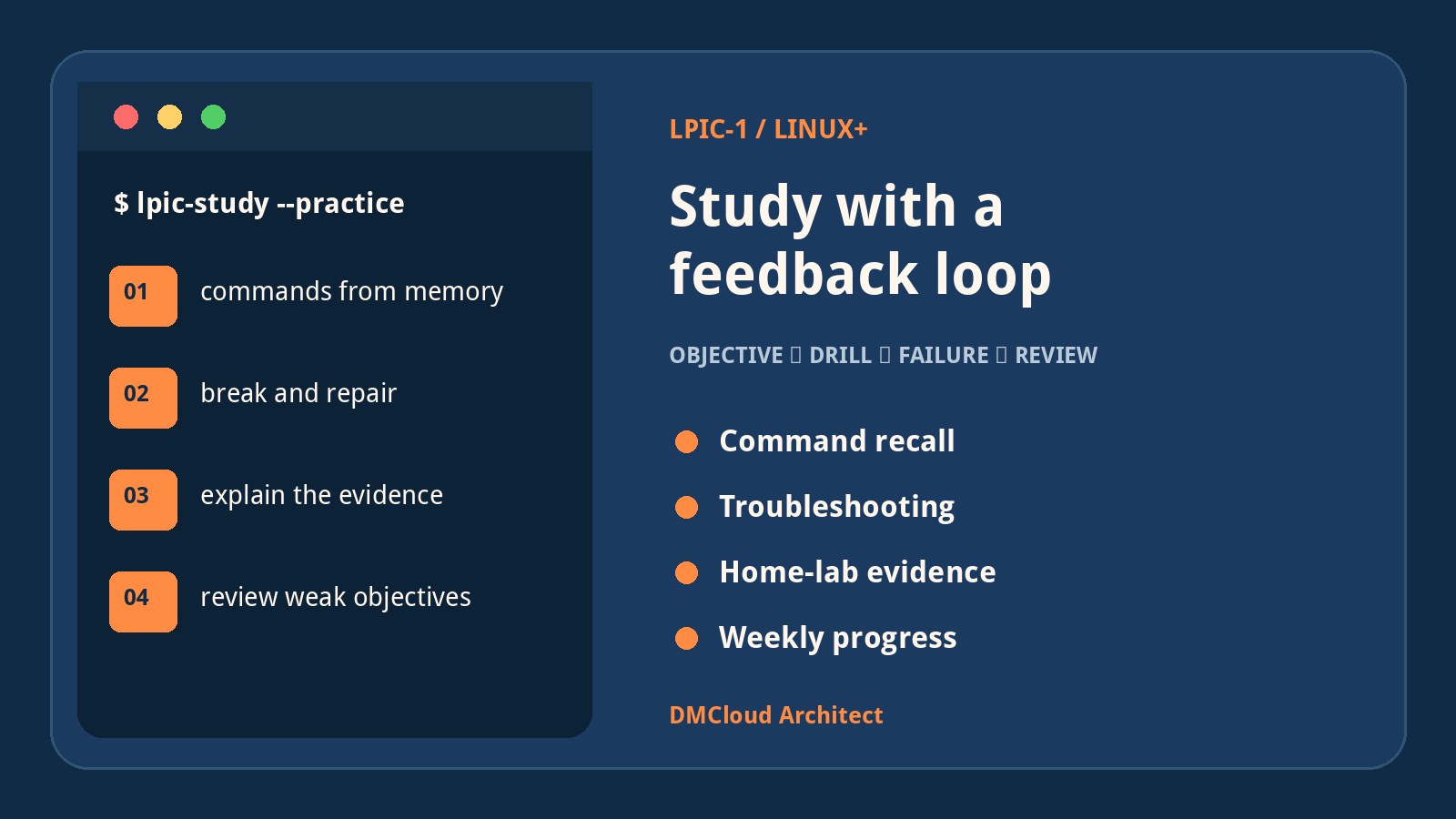
Passing simple labs but struggling on a Linux exam usually points to a gap between recognition and recall, not a lack of ability. This checklist turns LPIC-1 or Linux+ objectives into short command-line drills, troubleshooting scenarios, and home-lab evidence. It also shows how Linux server monitoring can make practice measurable instead of random.

Read More